10 Smart Tips to Save Gas With Gas Stove Repair Basics Maintenance
Meta Description: Gas stove repair basics tips can help you save on fuel bills and keep your kitchen safe. Read 10 smart, simple tips every homeowner should have.
Every day your gas stove is making heavy work of it. Breakfast, lunch, dinner — it doesn’t get a break. But most of us don’t think to maintain it until something goes wrong.
The truth is that a neglected gas stove wastes fuel. It burns fuel more than it should. And that gets reflected on your monthly bill.
The good news? You don’t need to be a professional technician to troubleshoot most of these issues. Here are some simple habits and minor repairs that make a big difference — for both safety and how much gas your stove is actually using.
So, here we walk you stepwise through the 10 smart gas stove repair basics maintenance hacks that are not only easy and inexpensive but truly effective. Whether your burner won’t light, your flame looks strange or your stove just feels “off,” you’ll find the answer here.
Why Your Gas Stove Deserves More Attention Than You’ve Given It
People usually only clean the surface of the stovetop (and even then, most people don’t); that’s as far as maintenance goes. The actual troubles lurk below — in burner caps, igniter ports and gas tubes.
When these components slow down or become clogged, your stove begins to waste gas. The flame is weak or inconsistent. Sometimes the burner keeps clicking after it lights up. These are all indications that your stove is running harder than it must be.
A well-maintained stove, by contrast, lights without delay, burns evenly and employs the least amount of gas necessary to get the task done. That’s the goal.
Hack #1 — Simple Cleaning of Your Burner Caps and Heads Every Two Weeks
This is the single most important thing you can do.
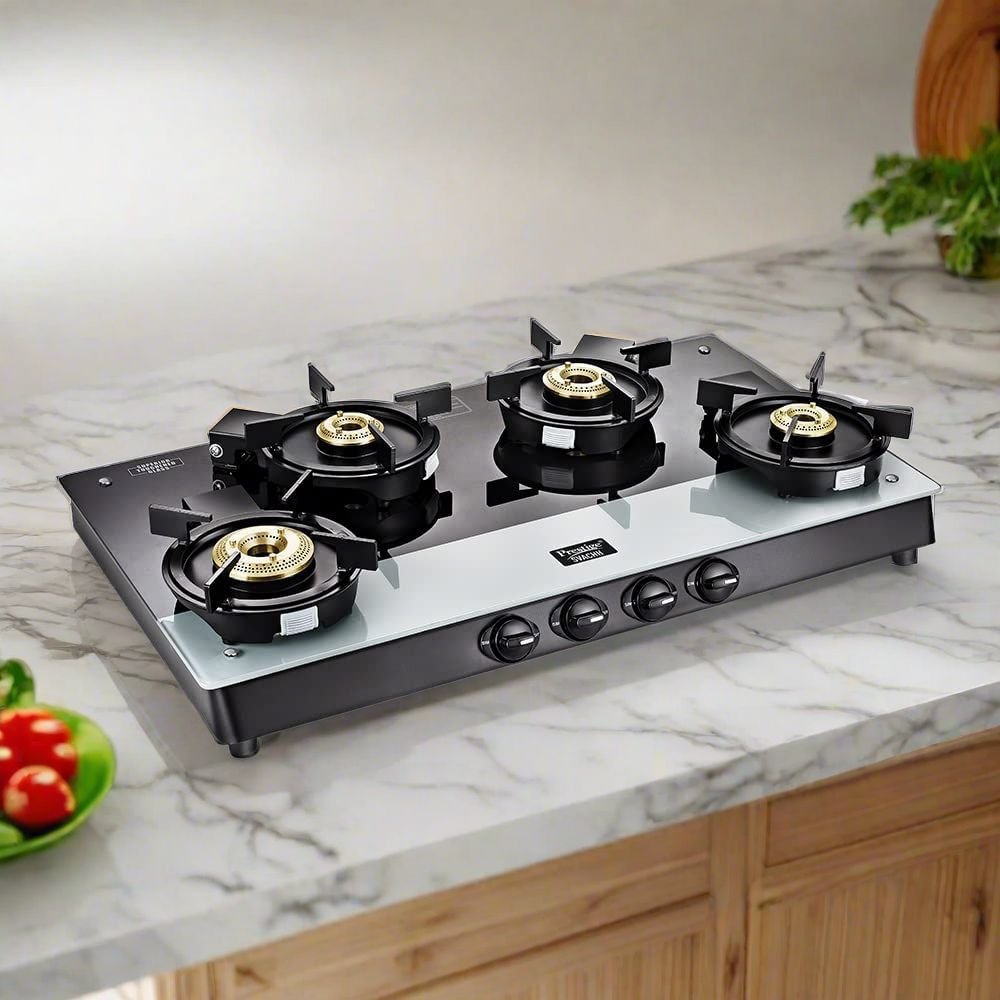
Burner caps are the round metal pieces that sit on top of each burner. They spread the flame around the pot evenly. When food debris, grease or water gets lodged in those tiny holes, the flame is uneven and weak.
An uneven flame means your stove is igniting gas without sufficiently transmitting heat to your pots and pans. That’s wasted fuel.
How to clean them:
- Disassemble the burner, including burner cap and head
- Soak them in warm, soapy water for 20–30 minutes
- Scrub out the holes with a soft toothbrush
- Make sure to rinse and dry them thoroughly before replacing them
- Never use steel wool — it scratches and mars the metal
Tip: Allow them to dry completely before reassembly. Internal moisture can interrupt gas flow and create ignition problems.
How Often Should You Do This?
| Usage | Clean Frequency |
|---|---|
| Light cooking (1–2 meals/day) | Once every 3 weeks |
| Moderate cooking (3 meals/day) | Once every 2 weeks |
| Heavy cooking (frequently deep frying) | Once a week |
Hack #2 — Always Adjust the Air-to-Gas Ratio for an Ideal Flame
Gas stoves require, to burn efficiently, a proper mix of air and gas. Too much air or not enough air both create problems.
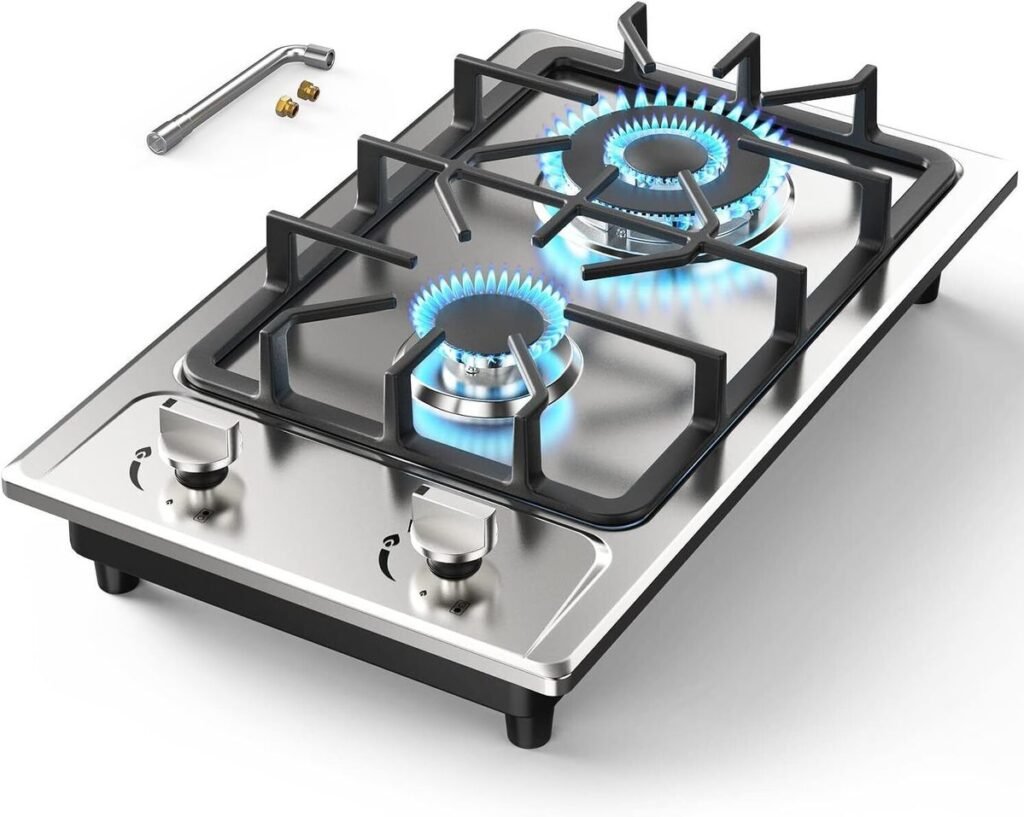
A good gas flame should be blue with a small yellow tip. That’s perfect combustion.
If your flame is:
- Solid yellow — insufficient air, incomplete combustion, wasted gas
- Blowing out too easily — excess air
- Low and weak — potential obstruction or insufficient fuel flow
Most stoves have a separate air shutter on each burner tube. It’s a little sliding piece toward the bottom of the burner. You can tweak it to increase or decrease airflow.
Steps to adjust:
- Light the burner
- Find the air shutter (typically near the front of the burner tube)
- Gradually open or close it while monitoring the flame
- When the flame becomes mostly blue, stop
Making this simple adjustment can help improve fuel efficiency by 10–15%.
Hack #3 — Clean Igniter Ports to Save Your Spark
The igniter is that small ceramic object next to each burner. It’s the spark that ignites the gas. When it gets dirty, it either doesn’t spark at all or keeps clicking even though the burner is lit.
Both problems waste gas.
If the burner doesn’t ignite the first time, you’re releasing gas into the atmosphere before it lights. That’s a safety risk and wasted fuel.
Cleaning the igniter:
- Check that the stove is fully turned off and cooled down
- Gently remove debris from around the igniter tip with a dry toothbrush or straight pin
- Do not use water directly on the igniter — moisture causes misfires
- Wipe the area clean and dry with a cloth, then test the spark
A clean igniter fires on the first click, every time. That’s the standard you should aim for.
Signs Your Igniter Needs Attention:
- Clicking sound won’t stop after it lights
- 3+ clicks to light the burner
- Sparks look weak or inconsistent
- Dark or greasy-looking igniter tip
Hack #4 — Replace Worn Burner Caps, Don’t Ignore Them
Burner caps don’t last forever. Over time they warp, crack or degrade from heat exposure. A bent or broken burner cap doesn’t sit correctly, messing up the flame pattern and leading to inefficient stove operation.
Replacement caps are inexpensive — often $5 to $20, depending on the brand. That’s minimal compared to the gas you’ll save and repair bills you can avoid.
How to tell it’s time for a new one:
- The cap does not rest flat on the burner head
- Cleaning isn’t helping and the flame never settles properly
- You spot obvious cracks or chips in the cap
- Heavy pitting or corrosion on the cap surface
When replacing caps, always use those made for your specific stove model. A cap that is too small or too large can enable gas leaks.
Hack #5 — Immediately Repair a Constantly Clicking Stove
If your stove continues to click after the burner is lit, that’s not normal. It indicates moisture or debris is obstructing the igniter switch.
It’s also annoying. But more critically, it means your ignition system is being overworked.
Quick fixes:
- Dry out the igniter area — blow cool air from a hairdryer for 30 seconds
- Remove the burner cap and head and inspect for any standing water
- Use a dry toothbrush to clean around the igniter switch
- Make sure the burner cap is seated properly — even a slight tilt will cause clicking
These steps resolve most constant clicking issues within 10 minutes. If clicking persists beyond a day, the igniter switch itself may need to be replaced.
Hack #6 — Check Gas Tubes and Connections for Small Leaks
This one is about safety as much as savings.
Even a small gas leak around a tube connection will cause your stove to waste more gas than necessary. Even worse, it makes your kitchen a serious hazard.
The soap test — how to check for leaks:
- Mix dish soap with water to make a thick, foamy solution
- Apply it with a brush to all gas tube connections
- Turn on the gas (but don’t ignite the burner)
- Watch for bubbles forming — bubbles indicate a leak
If you discover a leak, turn the gas supply off immediately. If it is a loose fitting, tighten it. But if the leak is in the tube itself, call a professional technician. Do not patch gas tubes with tape or attempt a DIY fix.
For more detailed guidance on identifying and addressing gas stove issues safely, visit Gas Stove Repair Basics — a dedicated resource for homeowners looking to maintain their appliances confidently.
Perform this check every 3–6 months as a routine inspection.
Hack #7 — Keep Stove Grates Clean for Better Heat Transfer
The grates are the metal racks that hold your pots above the flame. When they are plastered in grease and food residue, they absorb heat rather than transfer it to your cookware.
That requires your stove to burn more gas in order to reach the same cooking temperature.
Grate cleaning method:
- Remove grates and soak in hot, soapy water for 30 minutes
- Scrub with a non-scratch pad or stiff brush
- For heavy grease, use a baking soda paste (3 parts baking soda, 1 part water)
- Allow the paste to sit for 20 minutes before scrubbing
- Rinse and dry thoroughly before returning to the burner
Clean grates = Better heat transfer = Less gas. Simple as that.
Grate Material Comparison:
| Grate Type | Heat Retention | Cleaning Ease | Durability |
|---|---|---|---|
| Cast Iron | Excellent | Moderate | Very High |
| Enamel-Coated | Good | Easy | High |
| Stainless Steel | Moderate | Easy | Moderate |
Hack #8 — Always Match Pot Size to Burner Size
This one surprises people. But using the wrong pot size on a burner wastes a significant amount of gas.
If a burner is wider than your pot, the flame climbs the sides and warms up air instead of food. That heat goes nowhere useful.
General rule:
- Small burner → pots not exceeding 6 inches
- Medium burner → pots 6–8 inches
- Large burner → pots 9 inches and larger
According to the U.S. Department of Energy, using the correct cookware size for your burner is one of the simplest ways to reduce energy waste in the kitchen. When you multiply that by three meals a day, that’s a significant amount of waste.
Matching pot to burner costs nothing. And it saves gas every single day.
Hack #9 — Put Lids on Pots to Cook Faster, Use Less Gas
This is one of the simplest hacks and one of the most underrated.
A lid traps heat inside the pot. The food cooks faster. The stove runs for less time. You use less gas.
Cooking with a lid cuts the time it takes water to boil almost in half compared to cooking without one. That time difference directly equates to gas savings.
Pro tips for lid use:
- Use glass lids so you can watch the food without removing them
- Partially cover with a lid to prevent boiling over
- Bring liquid to a boil, then reduce to the lowest flame possible and cook covered
- Turn off the burner 1–2 minutes before the food is done — residual heat does the rest
That last point is particularly powerful. The heat already in the pot continues cooking the food after the gas is off. That’s free cooking energy.
Hack #10 — Get a Professional Tune-Up Once Per Year
DIY maintenance takes you far. But some things require a professional eye.
A licensed gas appliance technician can:
- Verify gas pressure entering the stove
- Inspect internal valves and regulators
- Check all ignitors for proper spark strength
- Detect micro-leaks the soap test might not catch
- Adjust burner output to manufacturer specifications
In most regions, a yearly tune-up costs $75–$150. But it can add years to your stove’s life and keep it burning at peak efficiency — saving hundreds of dollars over time in gas bills and avoiding costly emergency repairs.
It’s like servicing your car. You wouldn’t skip an oil change and expect the engine to run perfectly indefinitely. The same logic applies here.
Common Gas Stove Issues and What They Signify
| Problem | Likely Cause | DIY Fix? |
|---|---|---|
| Yellow/orange flame | Blocked air shutter or dirty burner | Yes |
| Clicking won’t stop | Moisture in igniter area | Yes |
| Burner won’t light | Clogged igniter or burner head | Yes |
| Low flame on all burners | Low gas pressure or regulator issue | No — call a pro |
| Smell of gas near stove | Possible leak | No — turn off gas, call now |
| Uneven flame pattern | Dirty or warped burner cap | Yes |
How Much Gas Can You Save?
Here’s a rough estimate based on average household stove use:
| Maintenance Hack | Estimated Gas Savings |
|---|---|
| Regularly clean burner caps | 5–8% |
| Adjust air-to-gas ratio | 10–15% |
| Match pot size to burner size | Up to 40% per meal |
| Use lids while cooking | 15–25% |
| Fix constant clicking promptly | 2–5% |
| Annual professional tune-up | 8–12% overall |
These numbers stack. A household that applies all ten hacks can realistically reduce gas consumption by 25–35% over a full year. On a $100/month gas bill, that adds up to savings of $25–$35 every month.
Quick Monthly Maintenance Checklist
Every week (heavy users) / Every 2 weeks (moderate users):
- ✅ Clean burner caps and heads
- ✅ Wipe down grates
- ✅ Verify all caps are sitting flat
Every month:
- ✅ Check igniter tips for debris
- ✅ Inspect the flame colour on each burner
- ✅ Ensure all burners ignite on the first click
Every 3–6 months:
- ✅ Soap leak test on all connections
- ✅ Clean grates and burner heads thoroughly
- ✅ Adjust air shutters if flame colour is off
Once a year:
- ✅ Schedule a professional tune-up
- ✅ Replace worn or damaged burner caps
- ✅ Have gas pressure tested by a technician
Gas Stove Repair Basics and Maintenance FAQs
Q: How can I tell if my gas stove is wasting gas? Look at the flame color. A yellow or orange flame rather than blue indicates incomplete combustion and wasted gas. Also check if any burners require multiple clicks to ignite — that’s another sign of an inefficient stove.
Q: Can you wash igniters with water? No. Water and moisture are the enemy of igniters. Use only dry tools — a toothbrush, pin or dry cloth. If water gets into the igniter area accidentally, dry it with a hairdryer on low before using the stove.
Q: What is the average lifespan of gas stove burner caps? Burner caps typically last around 5–10 years with proper care. But cooking at high heat regularly can warp them earlier. Check them annually and replace when warped, cracked or pitted.
Q: Can I fix a gas leak myself? Only if the leak is at a loose connection that you can safely tighten. If the leak is in a tube or valve, do not attempt to fix it yourself. Shut off your gas supply and contact a licensed technician.
Q: Why does my stove keep clicking when it’s off? This almost always means moisture is trapped near the igniter switch. Remove the burner cap, dry the area thoroughly with a cloth and a hairdryer, then reassemble. If it continues to click, the switch may need to be replaced.
Q: Does cooking with a lid really make a difference in gas usage? Absolutely. A lid cuts down on cooking time by capturing heat, which means the burner runs for less time. Across hundreds of meals a year, that represents significant gas savings.
Q: How often should I have my gas stove professionally serviced? The general guideline is once per year. If you cook frequently or have an older stove (over 10 years old), a service every 6 months is recommended.
Q: How do I clean cast iron grates without damaging them? Avoid soaking cast iron grates for too long, as this can cause rust. Instead, scrub them with a stiff brush and hot soapy water and rinse quickly — then dry immediately. You can also season them with a small amount of cooking oil to prevent rusting.
The Bottom Line
Your gas stove is a hardworking appliance. It warrants the same care you give your car or your home heating system.
Gas stove repair and maintenance hacks are not complicated. They don’t require special tools or professional skills. The majority take fewer than 15 minutes. But the overall difference — improved efficiency, safer operation, lower gas bills — is considerable.
Start with the easiest steps: clean your burner caps, check your flame color and begin cooking with lids on your pots. Once those habits are established, move on to the more detailed steps like the soap leak test and air shutter adjustment.
Each small improvement compounds on the previous one. And before long you’ll have a stove that runs cleaner, burns less gas and saves you money every single month.
Now be smart about home maintenance that pays for itself.