4 Smart Gas Stove Repair Basics Maintenance Lessons I Learned Late
A gas stove is one of the most important appliances in any kitchen. Whether you cook daily or only occasionally, you rely on it for quick meals, tea, or family dinners. But most people—including me—don’t think about gas stove maintenance until something goes wrong.
A burner suddenly stops lighting. The flame becomes weak or uneven. Food takes longer to cook. Sometimes there’s even a strange smell that makes you wonder if something is wrong with the gas supply.
I learned these lessons the hard way.
For years I ignored small warning signs. I assumed the stove was “just old” or that small issues didn’t matter. Eventually those tiny problems became expensive repairs.
If I had known a few simple maintenance habits earlier, I could have saved time, money, and frustration.
This article shares four smart gas stove repair basics maintenance lessons I learned late—but that can help you keep your stove working safely and efficiently for years.
Why Gas Stove Maintenance Matters
Before diving into the lessons, it’s important to understand why maintenance is critical.
A gas stove works through a simple system:
- Gas flows through a pipe
- The control knob regulates flow
- Gas exits through burner holes
- Ignition spark lights the gas
- Flame provides heat for cooking
Even small issues like grease buildup or clogged burner holes can disrupt this system.
Common Problems Caused by Poor Maintenance
| Problem | Cause | Result |
|---|---|---|
| Weak flame | Clogged burner ports | Slow cooking |
| Uneven flame | Dirt or grease buildup | Food cooks unevenly |
| Igniter not working | Moisture or debris | Stove won’t light |
| Gas smell | Loose connection or leak | Safety hazard |
| Burner clicking continuously | Ignition system issue | Annoying and inefficient |
Many of these problems start small but grow worse over time.
Now let’s explore the four maintenance lessons that changed how I take care of my gas stove.
Lesson 1: Cleaning the Burners Regularly Prevents Most Problems
The first lesson I learned—after several frustrating cooking sessions—is that dirty burners are the number one cause of stove issues.
For years, I only wiped the stove surface. I never removed the burners or cleaned the small gas holes.
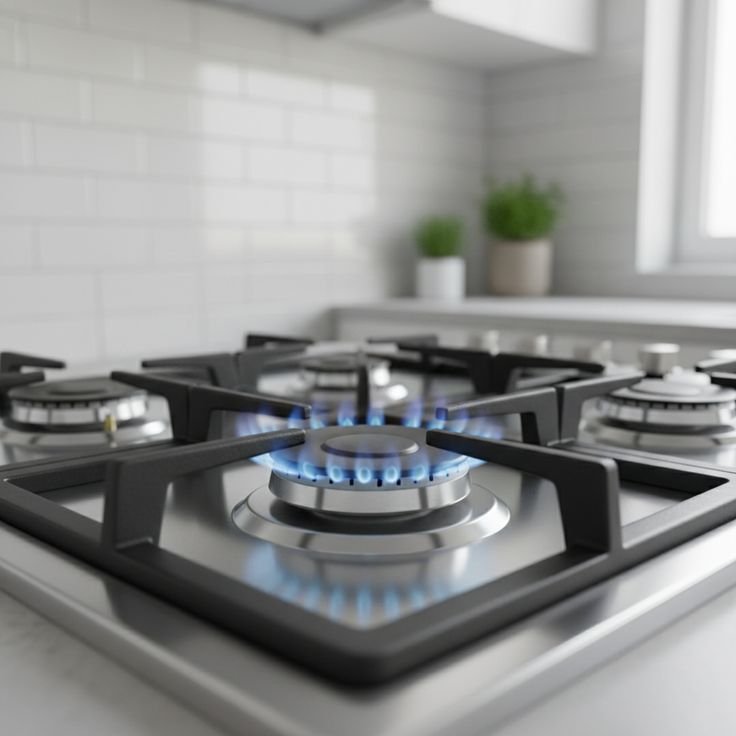
Eventually the flame became uneven and yellow instead of blue.
That’s when I discovered the real issue: burner ports clogged with grease and food debris.
Why Burner Cleaning Is Important
Burners contain tiny holes called ports. Gas flows through these holes to create an even flame.
When these holes get blocked:
- Gas flow becomes uneven
- Flame turns yellow
- Cooking efficiency drops
- Gas consumption increases
Signs Your Burners Need Cleaning
Watch for these warning signs:
| Symptom | Meaning |
|---|---|
| Yellow flame | Incomplete combustion |
| Uneven flame pattern | Blocked burner holes |
| Flame only on one side | Severe clogging |
| Delayed ignition | Gas flow obstruction |
Simple Burner Cleaning Method
Cleaning burners is easier than most people think.
Step-by-Step Method
- Turn off gas supply.
- Remove burner caps and rings.
- Soak them in warm water with dish soap.
- Use a toothbrush or pin to clear blocked holes.
- Rinse and dry completely.
- Reinstall burners properly.
Burner Cleaning Frequency
| Usage Level | Recommended Cleaning |
|---|---|
| Heavy cooking | Once per week |
| Moderate use | Every 2 weeks |
| Light use | Once per month |
Regular cleaning alone can prevent 60–70% of stove performance issues.
Lesson 2: Ignition System Maintenance Saves Time and Frustration
The second lesson I learned too late involves the ignition system.
If your stove has automatic ignition, it uses a small spark to ignite gas.
When the ignition system becomes dirty or wet, problems appear:
- Continuous clicking
- Delayed lighting
- Burner refusing to ignite
Common Ignition Problems
| Issue | Possible Cause |
|---|---|
| Clicking sound nonstop | Moisture or debris |
| No spark | Faulty igniter |
| Delayed ignition | Grease buildup |
| Spark but no flame | Gas flow problem |
Cleaning the Ignition System
Many ignition issues come from simple dirt buildup.
Basic Cleaning Steps
- Turn off the stove.
- Remove the burner cap.
- Locate the ignition electrode.
- Use a dry cloth or cotton swab.
- Remove grease or food residue.
Never use water directly on the ignition electrode.
Ignition Maintenance Tips
- Keep burners dry after cleaning
- Avoid spilling liquids near igniters
- Clean grease immediately
- Check spark alignment regularly
A clean ignition system makes cooking faster, safer, and less frustrating.
Lesson 3: Checking Gas Connections Prevents Dangerous Leaks
This lesson was the most serious one I learned.
One evening I noticed a faint gas smell in the kitchen.
At first I ignored it, assuming it came from cooking.
But the smell persisted.
After inspection, the problem turned out to be a loose gas pipe connection behind the stove.
That experience taught me that gas connection checks are essential for safety.
Warning Signs of a Gas Leak
If you notice any of these, act immediately:
| Sign | Possible Issue |
|---|---|
| Rotten egg smell | Gas leak |
| Hissing sound | Escaping gas |
| Weak flame | Pressure issue |
| Headache or dizziness | Gas exposure |
Simple Leak Detection Method
You can perform a basic test at home.
Soap Bubble Test
- Mix water and dish soap.
- Apply to gas pipe joints.
- Turn gas supply on slightly.
- Watch for bubbles.
If bubbles appear, there is a leak.
Safety Checklist
| Safety Action | Importance |
|---|---|
| Check gas hose monthly | Prevent leaks |
| Replace damaged pipes | Maintain pressure |
| Keep stove ventilated | Reduce gas buildup |
| Install gas detector | Extra safety |
Never ignore a gas smell—it can be dangerous.
Lesson 4: Preventive Maintenance Is Cheaper Than Repairs
The final lesson I learned is simple but powerful:
Preventive maintenance costs almost nothing, but repairs can be expensive.
A neglected stove often develops multiple issues:
- Clogged burners
- Damaged ignition
- Gas leaks
- Poor flame quality
Repairing these problems may require professional service.
Maintenance vs Repair Costs
| Issue | Maintenance Cost | Repair Cost |
|---|---|---|
| Burner cleaning | $0–$5 | $30–$60 |
| Ignition cleaning | $0 | $50–$120 |
| Gas hose replacement | $10–$20 | $80–$150 |
| Full stove service | $20 | $150–$300 |
Regular maintenance can reduce repair costs by up to 80%.
Monthly Gas Stove Maintenance Checklist
Here’s a simple routine that keeps most stoves working perfectly.
| Task | Time Required |
|---|---|
| Clean burners | 10 minutes |
| Wipe stove surface | 5 minutes |
| Inspect gas hose | 2 minutes |
| Check ignition spark | 1 minute |
| Remove grease buildup | 5 minutes |
Total time: less than 25 minutes per month
That small effort can extend your stove’s life by years.
Flame Color Guide (Important Diagnostic Tool)
Flame color tells a lot about stove performance.
| Flame Color | Meaning | Action |
|---|---|---|
| Blue | Perfect combustion | No action needed |
| Yellow | Dirty burner | Clean burner |
| Orange | Dust particles | Clean stove area |
| Weak blue | Low gas pressure | Check gas line |
Blue flame is always the goal.
Gas Stove Lifespan Chart
Proper maintenance can significantly extend stove life.
| Maintenance Level | Average Lifespan |
|---|---|
| Poor maintenance | 5–7 years |
| Moderate care | 8–10 years |
| Regular maintenance | 12–15 years |
This means simple care can double your stove’s lifespan.
Common Gas Stove Repair Tools
Keeping a few tools at home can make maintenance easier.
| Tool | Purpose |
|---|---|
| Toothbrush | Burner cleaning |
| Needle or pin | Clearing burner holes |
| Screwdriver | Removing burner parts |
| Soap solution | Leak detection |
| Microfiber cloth | Surface cleaning |
These tools cost very little but solve many problems.
Mistakes People Make with Gas Stoves
Through experience, I discovered several common mistakes.
1. Ignoring small flame changes
Small flame issues often signal bigger problems.
2. Pouring water on burners
Water can damage ignition systems.
3. Using harsh chemicals
These can corrode burner parts.
4. Never checking gas hoses
Old hoses can crack and leak.
Avoiding these mistakes can prevent most stove problems.
Final Thoughts
Gas stoves are reliable kitchen appliances, but like any device, they require care.
The four lessons I learned late were simple but incredibly valuable:
- Clean burners regularly
- Maintain the ignition system
- Check gas connections for leaks
- Focus on preventive maintenance
None of these steps require technical expertise. Most take just a few minutes.
But together, they can:
- Improve cooking efficiency
- Reduce gas consumption
- Extend appliance life
- Prevent dangerous gas leaks
In the end, taking care of your gas stove is not just about saving money—it’s also about safety and convenience in your kitchen.
Frequently Asked Questions (FAQs)
1. How often should I clean my gas stove burners?
Burners should be cleaned every 2–4 weeks, depending on how often you cook. Heavy cooking may require weekly cleaning.
2. Why is my gas stove flame yellow instead of blue?
A yellow flame usually indicates clogged burner holes or incomplete combustion. Cleaning the burner typically solves the issue.
3. What should I do if my stove keeps clicking?
Continuous clicking usually means the ignition system is wet or dirty. Dry the burner area and clean the ignition electrode.
4. How can I check for a gas leak at home?
You can use a soap and water solution on gas pipe joints. If bubbles appear, there may be a leak.
5. Is it safe to repair a gas stove myself?
Basic maintenance like cleaning burners is safe. However, major repairs or gas line issues should be handled by professionals.
6. How long does a gas stove typically last?
With proper maintenance, a gas stove can last 12–15 years or longer.