
Meta Description: Gas stove repair basics shouldn’t be mysterious. Learn 7 secret tips that techs never share — Save money & fix things yourself.
7 Secret Gas Stove Repair Basics Tricks Technicians Don’t Tell You
Ever dialed a technician for your troubled gas stove, paid top dollar and been left wondering why the fix was so simple it could have been done yourself? You’re not alone. Millions of homeowners overpay for repairs that they could have done themselves with a modicum of knowledge.
The reality is that most of the problems with gas stoves aren’t as complicated as they may seem. Technicians tend to overcomplicate the job — but many of their tricks are rudimentary, repeatable, and easy to pick up.
In this article, we’re exposing the man behind the curtain. You will discover 7 hidden gas stove repair basics that nearly all service personnel quietly keep to themselves. From a stove that won’t light, to a stove with uneven flames, or even a stove that just keeps clicking and never lights — this guide has you covered!
Let’s get into it.
Before You Touch Anything — Safety First
This is non-negotiable. Gas appliances come with real risks if you don’t handle them carefully. Before you try to repair a gas stove, here are the steps to take:
- Shut off the gas supply from the main valve or at the stove’s supply line.
- Disconnect the stove from its power outlet.
- Limit buildup of gas by opening a window or airing out the kitchen.
- Do not use a flame to check for leaks — use soapy water.
- Have a fire extinguisher on hand as a safety measure.
Once you’ve done these steps, you’re prepared to start troubleshooting more safely.
Trick #1 — The Wet Burner Is Your Worst Enemy (And No One Will Tell You That)
Why Your Stove Just Won’t Ignite After Cleaning
Here’s one of the most basic — and also easy to forget — gas stove repair fundamentals. Do the burners not light right after cleaning your stove? You most likely blamed the igniter or the gas line. But the real culprit? Moisture.
When you wipe down the burners with a soggy rag or wash the burner caps beneath running water, small droplets get trapped in there. These droplets essentially prevent the ignition process from starting at all.
Technicians know this instantly. But they seldom share that with customers — because it takes them half a minute to diagnose “wet burner syndrome,” and yet they still charge for a full service visit.
How to Fix It Yourself
- Take off the burner caps and burner heads.
- First wipe them dry with a clean dry cloth.
- Then put them in a 200°F (93°C) oven for 20–30 minutes to drive out any remaining hidden moisture.
- Allow them to cool completely before putting them back together.
- Try reigniting — the difference is almost instant.
Pro Tip: Always allow the burner parts to air dry for a minimum of 2 hours after washing. Never rush this step.
Trick #2 — 40% of “Broken Stove” Calls Are Misaligned Burner Caps
The Tiny Adjustment That Ruins Everything
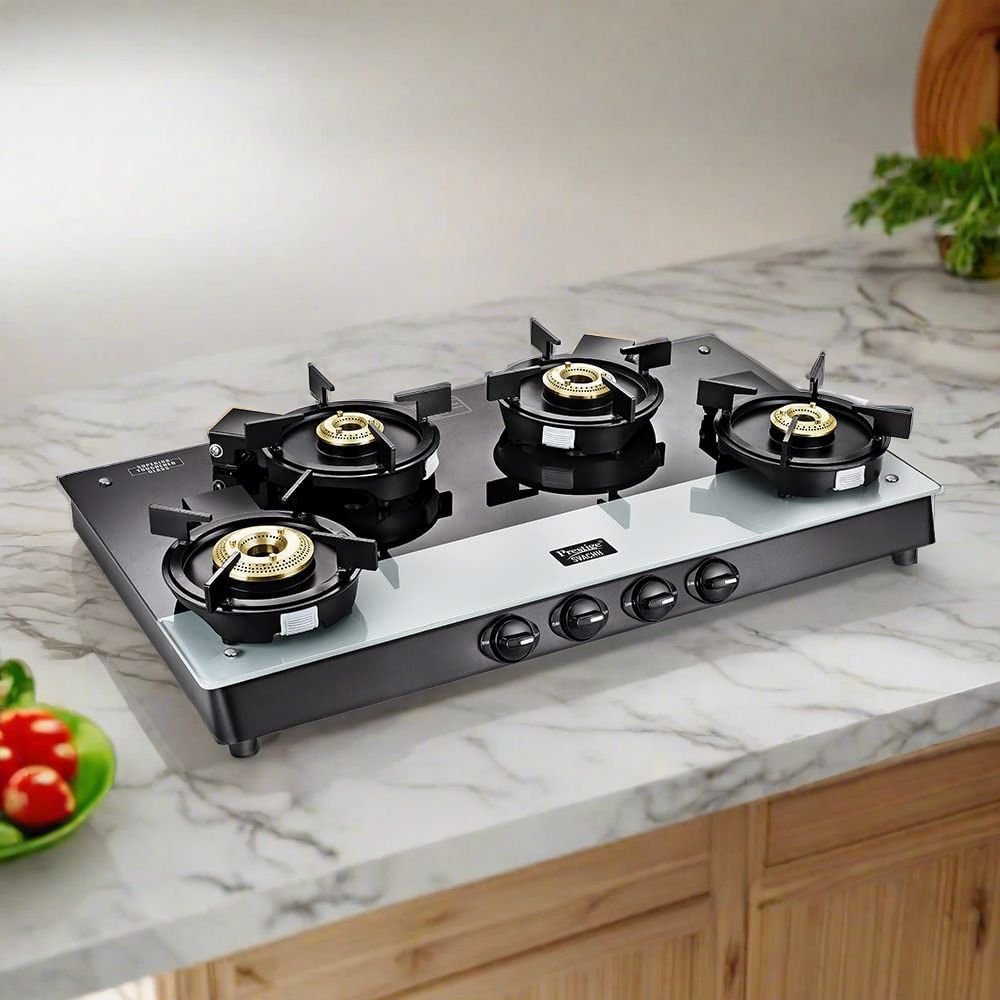
Here’s one fact appliance repair pros tend to keep to themselves: a substantial number of service calls for gas stoves are due to one remarkably simple problem — a burner cap that isn’t precisely centered.
Burner caps rest on the burner base. When they’re even slightly out of alignment, the gas flow is uneven and the igniter can’t generate a consistent spark. The stove clicks repeatedly, produces a weak flame, or nothing fires at all.
Homeowners panic. They think the igniter is defective. They call a technician. The technician comes, pushes the burner cap back into place, and charges $80–$150 for “diagnostics.”
The Easy Fix
| Symptom | Likely Cause | Quick Fix |
|---|---|---|
| No flame but button clicks | Burner cap not seated properly | Reseat the cap firmly |
| Weak or uneven blue flame | Burner cap off-center | Remove, clean, and reseat |
| Flame only on one side | Blocked port + misalignment | Clean ports and realign |
| Stove ignites slowly | Moisture + misalignment combo | Dry and re-seal |
To fix this:
- Ensure the stove is off and cool.
- Gently lift the burner cap.
- Look for a tiny notch or slot — this is the alignment guide.
- Place the cap back, sitting flat and flush.
- Press lightly until you feel or hear it click.
That’s it. You just fixed one of the most common gas stove issues for $0.
Trick #3 — Clogged Burner Ports Are Literally in Plain Sight
What Technicians Clean That You’ve Never Even Noticed
Around every burner head, you’ll see small holes or slots. These are called burner ports. They emit the gas that is then ignited to produce your flame. These ports eventually become clogged with:
- Grease and food residue
- Boil-overs from pots
- Soap residue from cleaning
- Hardened minerals from water
When these ports are clogged, the flame gets weak, yellow, or uneven. In some extreme cases, the burner fails to ignite at all.
Technicians clean these ports on every service visit. It is among the first things they do — and one of the last things they describe on their invoice.
How to Clean Burner Ports Like a Pro
What you’ll need:
- A straightened paper clip or a pin
- Warm soapy water
- A soft toothbrush
- Dry cloth
Steps:
- Take the burner cap and burner head off the stove.
- Hold the burner head up to a light source — you should see clear holes.
- Use the paper clip to gently poke through each port, dislodging any blockage.
- Soak the burner head in warm soapy water for 15–20 minutes.
- Scrub with the toothbrush, focusing on each port.
- Rinse, dry thoroughly, and reinstall.
Warning: Do not use a toothpick — it can break off inside the port and make things worse. Always use metal tools for this job.
Trick #4 — The Igniter Isn’t Always Broken, Just Dirty
Stop Replacing Parts That Aren’t Necessary
The most profitable upsell in appliance repair is igniter replacement. A technician visits, the stove continues to click or doesn’t spark, and they suggest a new igniter. Cost? $50–$200 depending on the model.
What they don’t tell you: a dirty igniter looks and acts exactly like a broken one.
The igniter is the small white or ceramic tip near each burner. Over time, it gathers grease, food splatter, and residue. That coating keeps it from producing a clean spark — but the igniter itself is perfectly fine.
How to Clean an Igniter Without Damaging It
This is one of the most useful gas stove repair fundamentals you’ll ever learn.
What you’ll need:
- A dry toothbrush (soft bristles only)
- Rubbing alcohol (isopropyl)
- Cotton swabs
- Clean dry cloth
Steps:
- Ensure the stove is fully off and unplugged.
- Find the igniter near each burner — it appears as a small white ceramic post.
- Lightly brush off any loose dirt with a dry toothbrush.
- Dip a cotton swab in rubbing alcohol and gently clean around the igniter tip.
- Do not immerse or soak the igniter.
- Let it dry completely — at least 30 minutes.
- Reconnect the stove and test.
In most cases, this simple cleaning cures the clicking or sparking problem. You just avoided a repair bill.
Trick #5 — Gas Valve Problems Are Often Just a Sticky Knob
The $200 Fix That Doesn’t Cost a Dollar
When a gas burner won’t turn on or gets stuck, the worst nightmare of any homeowner is a faulty gas valve. Replacing gas valves is expensive and is not a DIY project. But here’s what technicians know and rarely share:
Most “gas valve” problems are really sticky or stiff control knobs — not the valve itself.
The knob on your stove sits atop a valve stem. Over time, grease, food drips, and grime accumulate around the base of the knob. This creates resistance, making it difficult to turn. Some knobs become so stiff they seem hopelessly stuck.
How to Free a Sticky Gas Knob
- Pull the knob directly off the valve stem (most pull straight off with no tools).
- Soak the knob in warm soapy water for 10–15 minutes.
- Clean inside and around the knob with a toothbrush.
- Wipe the valve stem with a dry cloth and rubbing alcohol.
- Let everything dry fully.
- Apply a small amount of food-safe lubricant (silicone grease) around the stem.
- Reattach the knob and test.
This simple trick resolves most of the “valve issues” reported to technicians day in and day out.
Trick #6 — Yellow or Orange Flames Are an Alarm Bell You Can Address
What That Flame Color Is Really Telling You
A healthy gas burner flame should be blue with a small yellow tip. If your flames are mostly yellow, orange, or flickering red, something isn’t right — and it’s typically something you can fix yourself.
According to the U.S. Consumer Product Safety Commission, irregular flame color on gas appliances can sometimes indicate combustion issues that affect indoor air quality — making it important to address early.
Here’s what various flame colors mean:
| Flame Color | What It Means | DIY Fix |
|---|---|---|
| Blue with small yellow tip | Healthy and normal | No action needed |
| Mostly yellow | Too much air or clogged ports | Clean burner ports |
| Orange | Dust, debris, or humidity in gas | Burn off — usually temporary |
| Red | Serious gas/air mixture issue | Check ports; if persistent, call a pro |
| Uneven height | Misaligned cap or clogged port | Realign and clean |
The Air-to-Gas Ratio Fix
On most gas stoves, a small adjustment screw located near the burner base controls the air-to-gas ratio. This is known as the air shutter.
When the shutter is off, the flame color changes. Technicians adjust this regularly but never explain it.
To adjust the air shutter:
- Turn on the burner to medium.
- Look for the small screw or sliding plate near the base of the burner tube.
- Open or close it slowly while watching the flame.
- Stop when the flame becomes blue and steady.
- Tighten the screw to hold the setting.
That one adjustment can make a world of difference for the function and safety of your stove.
Trick #7 — Continuous Clicking After Ignition Has a Dirt-Based Cause
The Annoying Click That Never Stops
Few things are more annoying than a gas stove that continues to click long after the burner has been lit — or even when the stove is completely off. Most homeowners assume an electrical problem. Some stop using that burner entirely.
Technicians know the truth: this is almost always caused by moisture or debris on the igniter switch — not an electrical issue.
The igniter switch is linked to the burner knob. When moisture or residue is present inside the switch, it sends a constant signal to the igniter — leading to endless clicking.
Step-by-Step Fix for Continuous Clicking
Step 1 — Dry Out the Igniter Use a hairdryer around the burner area on low heat for 2–3 minutes. This rapidly removes surface moisture.
Step 2 — Clean the Igniter Cap Area Use a dry toothbrush and cotton swab dipped in rubbing alcohol to clean around the igniter and surrounding area.
Step 3 — Inspect the Burner Cap Ensure the burner cap is seated properly. A cap that is not centered can cause repetitive clicking by disrupting the igniter feedback loop.
Step 4 — Dry the Entire Burner Area Absorb any standing moisture with paper towels. Then turn off the stove and wait 30–60 minutes.
Step 5 — Test Turn the stove on. In most cases, the clicking will have stopped.
If you still hear clicking after all of this, the igniter switch may be faulty — and that requires professional replacement. At least you’ve eliminated the simple causes first.
Gas Stove Repair Basics — Quick Reference
| Problem | Root Cause | DIY Fix | Difficulty |
|---|---|---|---|
| Won’t ignite after cleaning | Wet burner | Dry burner completely | Easy |
| Clicking but no flame | Burner cap misaligned | Reseat burner cap | Easy |
| Weak or uneven flame | Clogged ports | Clean with needle/pin | Easy |
| Igniter sparks but no flame | Dirty igniter | Clean with alcohol swab | Easy |
| Knob too stiff or stuck | Grease buildup | Clean and lubricate | Easy |
| Yellow or orange flame | Air ratio / dirty ports | Adjust shutter + clean | Medium |
| Constant clicking | Moisture in switch | Dry and clean igniter area | Easy |
When to Call a Professional
These gas stove repair basics address a wide range of common issues. But not every situation calls for a DIY approach.
Contact a licensed technician if you notice:
- A lingering smell of gas after shutting off all burners
- A hissing sound coming from the gas line or valve
- Flames that re-ignite on their own without turning on the stove
- A cracked or broken burner base
- Electrical problems beyond the igniter
- Any repair that involves disconnecting the gas line
Gas is potent and useful — but it requires respect. Recognize your limits and don’t be afraid to reach out for help when necessary.
FAQs — Gas Stove Repair Fundamentals
Q1: Can I fix a gas stove myself safely? Yes — for routine maintenance tasks such as cleaning igniters, burner caps, and knobs, DIY repair is usually safe. Always shut off the gas and unplug the stove first. For anything involving gas lines or internal valves, have a professional do it.
Q2: Why does my gas stove click when it’s not in use? This is most often caused by moisture or food debris on or near the igniter. Cleaning and drying the area around the igniter and burner cap usually solves the issue completely.
Q3: How frequently do I need to clean my gas burners? Wipe down burner caps and grates weekly if possible. Deep clean the burner ports and igniters every 1–2 months depending on usage.
Q4: Will a dirty igniter destroy my stove? Not usually. A dirty igniter will not function properly but is rarely damaged beyond repair. Cleaning it restores normal function in most cases.
Q5: Why is my gas flame yellow instead of blue? Yellow flames usually indicate that the burner ports are clogged or there’s an air-to-gas ratio issue. Clean the ports and check the air shutter adjustment.
Q6: What’s the best tool to clean burner ports? A straightened paper clip or metal needle works best. Don’t use toothpicks or anything soft that could break off and cause a worse blockage.
Q7: How long does it take to dry a wet burner? Air drying takes approximately 2 hours. A 200°F oven will speed this up to 20–30 minutes. Allow parts to cool completely before reinstalling.
Q8: Do all gas stoves have an air shutter adjustment? Most do, but the placement differs by model. Refer to your stove’s manual or look up the model number online to find where the air shutter is located.
Wrapping It All Up
Gas stove repair fundamentals are not rocket science — just some know-how and the proper technique. The 7 tricks in this article are things that trained technicians use every day. Now you can too.
From drying out a wet burner and reseating a misaligned cap, to cleaning igniters and adjusting flame color — most of these fixes take less than 30 minutes and cost nothing at all.
Don’t panic next time your stove misbehaves. Before you call for a service visit, try these steps first. You’d be amazed how often the answer is literally right there.
Bookmark this guide, share it with someone who’s dealing with a stubborn stove, and take control of your kitchen repairs.

