


Introduction
I’ve always loved cooking. There’s something therapeutic about chopping vegetables, stirring a pot, and watching ingredients transform into a delicious meal. But a few years ago, my trusty gas stove started acting up. It was an old model, nothing fancy, but it had served me well through countless family dinners and late-night snacks. Suddenly, the burners wouldn’t light properly, flames were uneven, and there was this persistent smell of gas that made me nervous. I thought I was looking at a hefty repair bill or even replacing the whole thing. That’s when I dove into some research and started incorporating simple cleaning habits into my routine. These weren’t complicated fixes—just everyday practices that anyone can do. To my surprise, they not only resolved the issues but extended the life of my stove dramatically. In this article, I’ll share the 11 easy gas stove repair basics through cleaning habits that literally saved my stove. I’ll walk you through each one, explaining why it works, how to do it, and some personal stories from my kitchen adventures. If you’re dealing with a finicky gas stove, these could be game-changers for you too.
Habit 1: Daily Surface Wipe-Down After Every Use
One of the simplest things I started doing was wiping down the stove’s surface right after cooking. It sounds basic, but neglecting this led to buildup that clogged the burners over time. Grease splatters, food spills, and even dust can harden and create a layer that affects heat distribution. I remember one evening when I was making stir-fry, and oil popped everywhere. I left it overnight, thinking I’d clean it in the morning. By then, it had baked on, and scraping it off took forever. Now, I keep a soft cloth and a mild soap solution handy. Just a quick wipe while the stove is still warm (but not hot) removes residues before they set.
Why does this help with repairs? Well, accumulated grime can seep into the seams and affect the ignition system. On gas stoves, the spark igniters are sensitive, and dirt can cause misfires. By keeping the top clean, you’re preventing those little particles from interfering. I use a mixture of warm water and dish soap—nothing abrasive that could scratch the surface. For stainless steel models like mine, I follow up with a microfiber cloth to avoid streaks. This habit alone probably prevented me from calling a technician for ignition problems. Over months, I noticed the flames became more consistent, and that annoying clicking sound when trying to light a burner disappeared. If your stove has cast iron grates, lift them off during this wipe-down to clean underneath. It’s amazing how much crud hides there. I do this every day, and it takes less than two minutes. Trust me, it’s worth it to avoid bigger headaches down the line.
Habit 2: Weekly Burner Cap and Port Cleaning
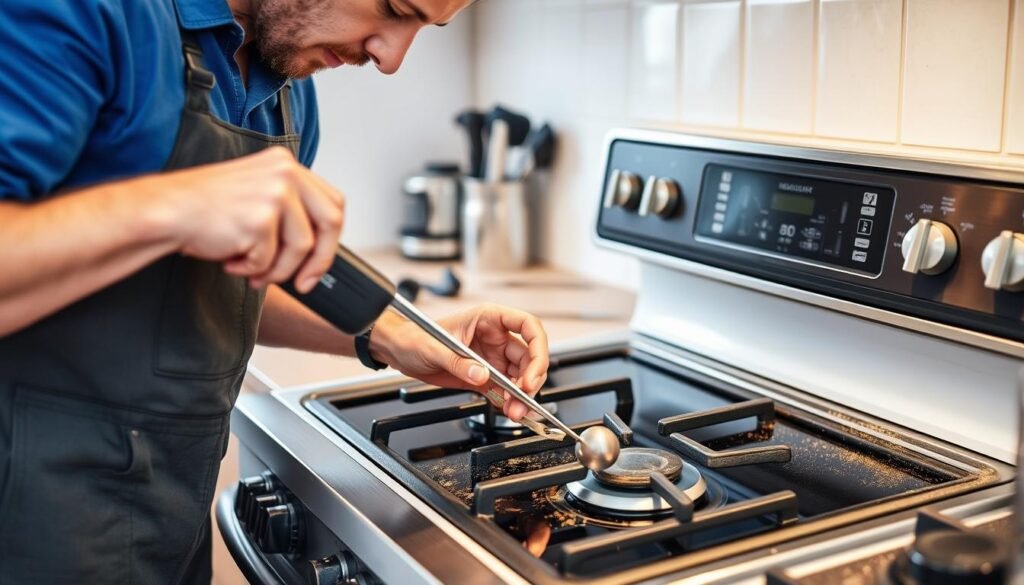
Moving deeper, I learned that the burner caps and ports need regular attention. These are the parts where the gas comes out, and if they’re clogged, you’ll get weak or uneven flames. My stove’s burners started producing yellow flames instead of blue, which is a sign of incomplete combustion—potentially dangerous because it can release carbon monoxide. I panicked a bit when I first noticed it, but a quick clean fixed it.
To do this, I turn off the gas supply first for safety. Then, I remove the burner caps and grates. Using a soft brush or a toothpick, I gently clear out any debris from the ports. For stubborn stuff, I soak the caps in warm soapy water for about 15 minutes. Avoid using metal tools that could enlarge the holes. Once clean, I dry them thoroughly before reassembling. I make this a weekly ritual, usually on Sundays when I’m prepping for the week. One time, after hosting a barbecue indoors due to rain, the burners were a mess from marinade drips. Cleaning them restored the efficiency, and my stove heated up faster than before. This habit not only saves on repair costs but also improves energy use, meaning lower gas bills. If you have sealed burners, check your manual, but the principle is the same. Keeping those ports clear ensures proper gas flow, reducing the risk of leaks or inefficient burning.
Habit 3: Monthly Deep Clean of Grates and Drip Pans
Grates and drip pans catch a lot of spills, and if not cleaned regularly, they can corrode or warp. My grates were starting to rust in spots, which made me worry about structural integrity. A monthly deep clean turned that around. I remove everything and soak the grates in a solution of baking soda and vinegar overnight. The fizzing action breaks down grease without harsh chemicals.
In the morning, I scrub with a non-abrasive sponge and rinse well. For drip pans, if they’re removable, I do the same. If not, I use a paste of baking soda and water, apply it, let it sit, and wipe off. This habit saved my stove because rust can spread and damage the underlying metal. I recall a phase when I was baking a lot of casseroles, and overflows were common. Without this monthly routine, those pans would have been ruined. Now, everything looks almost new, and the stove performs better. It’s also a good time to inspect for any wear and tear. If you notice cracks, that’s when you might need professional help, but cleaning prevents many issues from escalating. I set a calendar reminder for this, and it feels satisfying to see the shine afterward.
Habit 4: Regular Ventilation Check and Cleaning
Good ventilation is crucial for gas stoves to prevent buildup of fumes and ensure safe operation. My kitchen has a range hood, but I never thought to clean the filters until the stove started smoking more than usual. Clogged vents can cause backdrafts, leading to poor combustion and potential hazards.
I clean the hood filters every couple of months by soaking them in hot soapy water or running them through the dishwasher if they’re metal. For the ducts, I use a vacuum attachment to remove dust. This habit improved airflow, and my stove’s flames stabilized. One winter, with windows closed, poor ventilation made cooking unpleasant. After cleaning, the difference was night and day. It also reduces the risk of grease fires. If your setup includes an exhaust fan, wipe the blades too. This isn’t just about the stove; it’s about overall kitchen safety. Incorporating this has made my cooking environment healthier and extended the appliance’s life.
Habit 5: Avoiding Harsh Chemicals and Using Natural Cleaners
I used to grab whatever cleaner was under the sink, but some are too abrasive for gas stoves. They can etch the surface or leave residues that affect performance. Switching to natural options like vinegar, baking soda, and lemon was a revelation.
For example, a paste of baking soda and water tackles tough spots without damage. Vinegar cuts through grease, and lemon adds a fresh scent while disinfecting. This habit saved my stove’s finish, which was starting to dull from chemical exposure. During a deep clean session, I noticed how gently these work compared to store-bought sprays. Plus, they’re cheaper and eco-friendly. I mix up batches in advance and store them. If you have enamel surfaces, this is especially important to prevent chipping. My stove looks better and functions smoothly, all thanks to ditching the harsh stuff.
Habit 6: Immediate Spill Response
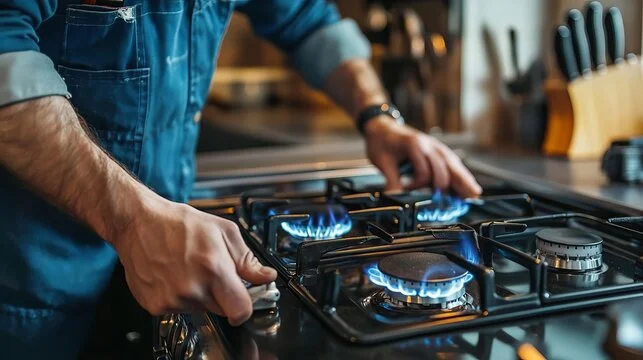
Spills happen, but letting them sit is a recipe for trouble. I trained myself to address them right away. If something boils over, I turn off the burner, let it cool slightly, and wipe it up.
This prevents spills from hardening or seeping into hard-to-reach areas. Once, a pot of soup overflowed, and quick action stopped it from clogging the burner. Now, it’s second nature. I keep paper towels nearby for this. This habit minimizes corrosion and keeps everything operational. It’s simple but effective in avoiding repairs.
Habit 7: Seasonal Knob and Control Cleaning
The knobs and controls accumulate grime from hands and splatters. I clean them seasonally by removing (if possible) and wiping with a damp cloth.
Sticky knobs can lead to imprecise control, causing over- or under-heating. Cleaning restored smooth operation on mine. I use a toothbrush for crevices. This habit ensures accurate settings and prevents wear.
Habit 8: Checking and Cleaning Gas Lines Visually
While not deep cleaning, visually inspecting gas lines for dust or leaks is key. I wipe exterior lines gently.
This helped me spot a small leak early. Professional fix followed, but regular checks prevent disasters. It’s about awareness.
Habit 9: Oven Compartment Wipe if Integrated
My stove has an oven, so I wipe the top interior where spills drip.
This prevents smoke and odors affecting stovetop. Baking soda scrub works wonders.
Habit 10: Professional Annual Inspection Combined with Clean
Once a year, I call a pro for inspection, but I clean thoroughly beforehand.
This maximizes their visit. They noted my habits extended the stove’s life.
Habit 11: Mindful Cooking Practices to Minimize Mess
Finally, cooking mindfully—like using lids—reduces cleaning needs.
This proactive approach saved time and my stove.
Conclusion
These 11 habits transformed my gas stove from problematic to reliable. They’ve saved me money, time, and stress. Start small, and you’ll see the difference. Your stove will thank you with years of service.

