

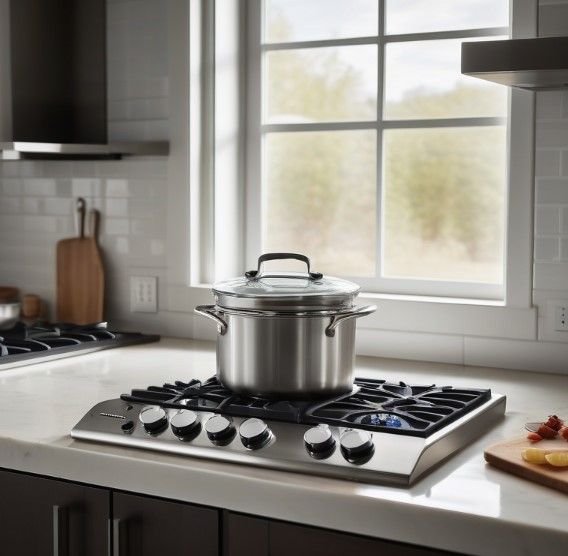
Okay, real talk — I ignored my gas stove burners for way too long. I kept telling myself I’d do a deep clean “this weekend,” and then three months passed. By the time I finally got around to it, the grates looked like they’d survived a small war. There was burnt-on grease, clogged burner holes, and one igniter that just kept clicking without lighting.
Sound familiar?
If you’re running a busy home — kids, work, cooking three meals a day — the stove takes a beating. You don’t have time for hour-long scrubbing sessions. That’s exactly why I started figuring out faster, smarter ways to keep things clean without turning it into a whole Saturday project.
These five hacks genuinely changed how I deal with my stove. No fancy equipment, no harsh chemicals you can’t pronounce — just stuff that actually works.
1. The Overnight Grate Soak (Do It While You Sleep)
This one was a game-changer for me. I used to scrub grates by hand for 20 minutes and still not get them fully clean. A friend mentioned she just soaked hers overnight, and I thought she was joking. She wasn’t.
Here’s what you do:
- Remove the grates after dinner (they should be cool — never move hot grates)
- Fill your kitchen sink or a large plastic bin with hot water and a few squirts of dish soap
- Drop the grates in and leave them overnight
- In the morning, wipe them down with a sponge — most of the gunk slides right off
For really stubborn buildup, add half a cup of baking soda to the soak. It breaks down grease like nothing else. I’ve also seen people recommend adding a dryer sheet to the soak — sounds weird, but the softening agents in it actually help loosen debris. Tried it once, honestly worked better than I expected.
The mistake I made early on? I used boiling water directly on cold cast-iron grates. Big no. The thermal shock can cause cracking. Warm to hot water is fine — just not straight from the kettle.
One more thing: dry the grates completely before putting them back. Wet grates sitting on a gas burner is asking for rust problems down the line.
2. Baking Soda + Vinegar Paste for Burner Caps
Burner caps are those little disc-shaped pieces that sit right on top of the burner. They get clogged with food residue, and when they do, your flame goes from a nice even circle to a sad, lopsided flicker. I spent weeks thinking something was wrong with my gas line before I realized the burner cap was just filthy.
The fix is stupidly simple:
- Mix baking soda and white vinegar into a thick paste (roughly 3:1 ratio — more baking soda than vinegar)
- Apply it generously to the burner caps
- Let it sit for 15–20 minutes
- Scrub with an old toothbrush (seriously, keep one under the sink just for this)
- Rinse and dry
The toothbrush is key. It gets into the small holes around the burner rim where clogs actually form. A regular sponge can’t reach those spots.
If the holes are completely blocked, use a toothpick or a thin needle to gently clear them out. Never use anything metal that could scratch or enlarge the holes — that affects how gas flows through.
This whole process takes maybe 10 minutes of actual effort. The paste does the heavy lifting while you go do something else.
Also worth reading: 6 Essential Gas Stove Repair Basics Cleaning Steps for Perfect Burners — it goes deeper into why burner maintenance matters beyond just cleaning.

3. The “While You Cook” Wipe-Down Habit
This one isn’t really a hack — it’s more of a mindset shift that saved me from ever needing a deep clean again. Or at least, a lot less often.
The idea: clean small messes the moment they happen, not later.
When something boils over, I grab a damp cloth and wipe the stovetop surface while it’s still warm (not hot — warm). Fresh spills wipe off in seconds. The same spill three hours later? You need elbow grease and probably some muttering under your breath.
I keep a small stack of microfiber cloths in the drawer right next to the stove. Microfiber is great because it picks up grease without smearing it around. I go through maybe two or three per week, toss them in the wash, and start again.
What I do every evening after cooking:
- Turn off everything and let the surface cool for 5 minutes
- Quick wipe of the stovetop with a damp microfiber cloth
- If there’s any residue, a tiny drop of dish soap on the cloth handles it
- Done — whole thing takes under 2 minutes
This habit alone cut my deep-cleaning time in half. When your daily maintenance is consistent, there’s nothing left to deeply clean except the grates and burner caps — which you can now handle with the soaking method above.
4. Dish Soap + Baking Soda Paste for the Stovetop Surface
For the flat surface of the stove (not the grates, not the burners — the actual cooktop), I used to use whatever spray cleaner was under the sink. Some of them worked fine, but a lot left streaks or had smells that lingered when I started cooking again. One of them even left a slightly sticky residue. No thanks.
Now I use a two-ingredient paste that works better than anything I’ve bought in a bottle.
Recipe:
| Ingredient | Amount |
|---|---|
| Baking soda | 3 tablespoons |
| Dish soap (any kind) | 1 tablespoon |
| Warm water | A few drops to adjust thickness |
Mix it into a spreadable paste. Apply it to the stovetop, let it sit for 10 minutes, then wipe off with a damp cloth. For stainless steel surfaces, always wipe in the direction of the grain — this prevents micro-scratches that make the surface look dull over time. I learned that the hard way after my stovetop looked great after cleaning but had this weird haziness I couldn’t get rid of.
For glass or ceramic cooktops (if you have a gas-on-glass setup), be gentler. Use the paste but skip any scrubbing — just let it sit longer and wipe softly. A plastic scraper (like the ones sold for glass cooktops) can help lift stuck bits without scratching.
This method is also safe around food prep areas because it’s all food-grade ingredients. No chemical fumes, no residue that’s going to end up in tonight’s pasta.
For more context on keeping things safe while cleaning and maintaining your stove, 9 Easy Gas Stove Repair Basics Troubleshooting Steps Anyone Can Try is a solid read.
5. The Monthly 20-Minute Reset
Even with daily wipe-downs and occasional spot cleaning, I found that once a month I needed a slightly more thorough session. Not a full deep clean — just a 20-minute reset to hit the parts I’d been skipping.
Here’s my routine, timed out:
| Time | Task |
|---|---|
| 0–2 min | Remove grates and burner caps, set to soak |
| 2–7 min | Paste on stovetop surface, let it sit |
| 7–12 min | Clean knobs and the area behind/around burners |
| 12–17 min | Scrub grates and burner caps, rinse |
| 17–20 min | Wipe down surface, reassemble, done |
The knobs are something most people forget entirely. Grease and steam work their way into those too. I just pull them straight off (most gas stove knobs pull off without tools), wipe them with soapy water, dry them, and put them back. Two minutes max.
The area around and behind the burners — that little strip near the back of the stove — collects a surprising amount of crumbs and grease. A damp toothbrush or thin cloth handles it.
By the end of 20 minutes, the stove looks and performs noticeably better. Flames are even, ignition is responsive, and I’m not starting every cooking session staring at someone else’s mess.
One thing I’d add: while you have the grates off, look at the igniter tips — the small ceramic or metal nubs next to each burner. If they’re coated in food residue, they’ll click without sparking properly. A dry toothbrush is usually enough to clean them. Never use water directly on igniters — moisture is exactly why they malfunction. If you’re having consistent ignition problems even after cleaning, 7 Powerful Gas Stove Repair Basics Ideas to Fix Ignition Problems breaks down what else might be going on.
Common Mistakes That Make Cleaning Harder
I’ve made most of these myself, so this list comes from experience:
Cleaning hot surfaces. Always wait for the stove to cool. Applying a wet cloth to a hot burner can cause steam burns, and some cleaning products react badly to heat.
Using steel wool on everything. Steel wool is too abrasive for most stove surfaces. It scratches enamel, damages stainless steel finishes, and leaves behind tiny metal fibers. Use it only if you’re dealing with extremely stubborn cast iron buildup — and even then, carefully.
Soaking igniters. The igniters are the one thing you clean dry. Moisture causes the clicking-but-not-lighting problem that’s incredibly frustrating to diagnose.
Skipping the underside of grates. Most people scrub the top, flip them over, and forget the bottom. Grease accumulates there too, and it’s what causes the smoky burning smell when you start cooking.
Putting wet grates back on the stove. Always dry completely. Rust forms faster than you’d think, and once it starts, it’s much harder to deal with than grease.
Using bleach-based cleaners near burners. Bleach and gas stove components are not a good combination. Stick to dish soap, baking soda, and white vinegar — they’re effective and safe.
A Few Products Worth Mentioning
I don’t think you need any specialized products for these hacks, but a couple of things have made my routine noticeably easier:
Bar Keepers Friend — A powder cleanser that’s excellent for stainless steel and enamel surfaces. Less abrasive than it looks, works on rust spots too.
Magic Eraser (melamine foam pads) — Great for scuffs and marks on enamel cooktops. Use them damp and with very light pressure — they’re mildly abrasive.
Silicone stovetop mats — These sit around the burners and catch spills before they hit the surface. Game-changing for busy homes with kids. They’re dishwasher-safe and make daily cleanup nearly effortless. Some people don’t like how they look, but function-wise, they’re excellent.
OXO Good Grips Scrub Brush — The angled bristles reach into burner holes and tight spaces better than a toothbrush. Available basically everywhere.
Putting It All Together
Here’s a simple schedule that keeps things manageable without any marathon cleaning sessions:
| Frequency | Task |
|---|---|
| After every cook | Quick wipe-down of stovetop surface |
| Weekly | Burner cap paste scrub |
| Weekly | Grate soak (can do overnight) |
| Monthly | Full 20-minute reset |
If you stick to this, you’ll almost never face a situation where the stove is genuinely gross. And when guests come over, you won’t be doing the “let me just clean that real quick” shuffle.
The biggest thing I learned through all of this — regular small effort beats occasional big effort every single time. Cleaning a stove that was last cleaned two weeks ago takes five minutes. Cleaning one that hasn’t been touched in two months takes an hour and a lot of frustration.
Start with just one of these hacks this week. The overnight grate soak is probably the easiest first step — zero effort while you sleep. See how much better the burners perform after, and you’ll be motivated to keep going.
Also worth a read: 11 Easy Gas Stove Repair Basics Cleaning Habits That Saved My Stove — a great companion piece if you want to build longer-term habits around stove care beyond just cleaning.

