

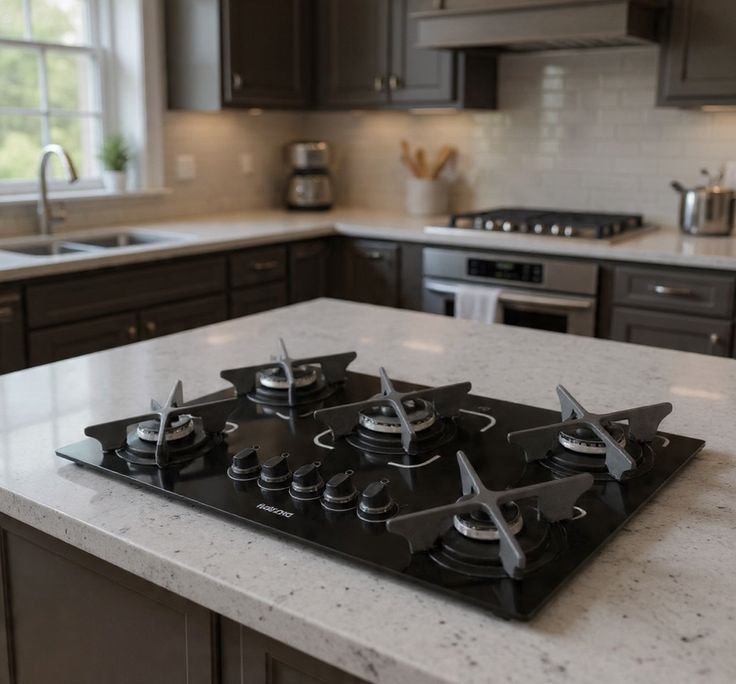
I still remember the day my old gas stove finally gave up. It had been sputtering and clicking for weeks, and one evening mid-cooking, it just stopped lighting altogether. I called a technician, but he couldn’t come for three days. That’s when I decided — you know what, I’ll just install the new one myself.
Spoiler: it went better than expected. But I made a few dumb mistakes along the way that I wish someone had warned me about.
If you’re about to install a gas stove for the first time — or even if you’ve done it before but felt unsure — this guide is for you. I’m going to walk you through exactly what I did, what worked, what didn’t, and how to do this safely and correctly.
1. Gather Everything Before You Start — Seriously, Don’t Skip This
The number one thing that slows people down during any home installation is running back and forth for tools. Before I even moved my old stove an inch, I laid everything out on the kitchen counter.
Here’s what you’ll typically need:
| Tool/Item | Why You Need It |
|---|---|
| Adjustable wrench | Tightening gas connections |
| Pipe thread sealant tape (PTFE) | Sealing gas fittings |
| Bubble level | Ensuring stove sits even |
| Dish soap + water | Leak testing |
| Flexible gas connector (new) | Connecting stove to gas line |
| Screwdriver set | Removing panels or brackets |
| Gloves + safety glasses | Basic protection |
One thing I learned late: never reuse an old flexible gas connector. I tried to reuse mine and the technician friend I called later told me that’s actually a safety risk. Always use a new one. They’re cheap — usually under $15–20.
2. Turn Off the Gas Supply — This Is Non-Negotiable
This sounds obvious, but you’d be surprised. I’ve read about people skipping this step “just for a second” and it doesn’t end well.
Locate your gas shutoff valve — it’s usually right behind or below the stove, or along the gas line on the wall. Turn it perpendicular to the pipe (that means it’s off). If the handle is parallel to the pipe, gas is still flowing.
Once it’s off, I always open one of the stove burners and try to light it. If nothing happens, you’re good to proceed.
Also, open a window. Just good habit.
3. Carefully Remove the Old Stove (If There Is One)
Pull the old stove out slowly — these things are heavier than they look, and the gas line behind them is short. I yanked mine too fast the first time and nearly pulled the connector right off the wall fitting. Not a great feeling.
Once it’s out enough to access the back:
- Disconnect the old flexible gas connector from the stove’s gas inlet
- Cap the wall gas outlet immediately if you’re not connecting the new stove right away
- Take note of how the old connector was routed — it helps when installing the new one
If your old stove has an electrical connection too (for the igniter or oven light), unplug it before fully pulling the stove away.
4. Inspect the Gas Line and Wall Fitting
Before touching anything on the new stove, take a close look at the gas supply line coming from your wall. Check for:
- Any visible cracks or corrosion on the pipe
- A shutoff valve that actually turns smoothly
- The correct thread type for your new connector
If the wall fitting looks old, corroded, or the valve is stiff and hard to turn, stop and call a licensed gas fitter. I know it feels like an extra step, but a corroded fitting isn’t something to mess around with.
Most modern gas stoves use a ½-inch NPT fitting on the supply end, but always verify with your stove’s installation manual.
5. Wrap the Threads with PTFE Tape
This is one of those small steps that makes a huge difference. PTFE tape (also called plumber’s tape or Teflon tape) creates a tight, gas-proof seal on threaded connections.
Here’s how to do it right:
- Clean the threads on your gas inlet with a dry cloth
- Wrap the tape clockwise around the threads (so it doesn’t unravel when you screw on the fitting)
- Go around 3–4 times, keeping it tight and smooth
- Press the tape into the threads with your fingernail
Don’t overdo it — too many layers can actually make it harder to get a proper tight fit.
If you’ve been dealing with ignition issues on an older stove, this is sometimes part of the fix too. Poor seals can cause weak gas flow, which leads to all those frustrating clicking and sputtering problems. Check out these 7 Powerful Gas Stove Repair Basics Ideas to Fix Ignition Problems for more on that.
6. Attach the New Flexible Gas Connector
Now you’re connecting the new flexible connector — the braided metal hose that runs between the wall supply and your stove’s gas inlet.
A few things to get right here:
- Never kink or bend the connector sharply. It needs a gentle curve, not a tight fold.
- Hand-tighten first, then use the wrench to snug it up — don’t overtighten or you’ll damage the fitting
- The connector should reach comfortably without being stretched tight or looped awkwardly
When I did mine, I realized the connector I bought was 18 inches but I actually needed 24 inches because of the way my kitchen is laid out. Measure the distance before you buy!
7. Position the Stove and Connect to the Wall
Now slide the stove into position — but don’t push it all the way in yet. You need to connect the other end of the flexible connector to the wall supply fitting first.
Again: hand-tighten, then wrench-tighten. Apply the same PTFE tape method to this connection too.
Once both ends are connected:
- Gently push the stove back, making sure the connector isn’t being bent or pinched
- Leave at least an inch or two of clearance at the back for the hose to sit comfortably
- Don’t let the connector touch the back of the stove body (it can get hot during use)
8. Level the Stove Properly
This step gets skipped more than it should. An unlevel stove means:
- Liquids in pots lean to one side and cook unevenly
- The oven door might swing open or not close properly
- Grease collects in weird spots and becomes a fire hazard over time
Most gas stoves have adjustable legs at the bottom. Use a bubble level (or your phone’s level app works in a pinch) placed on the stovetop surface. Twist the legs up or down until it reads even both front-to-back and side-to-side.
This takes maybe five minutes and makes a real difference day-to-day.
9. Test for Gas Leaks Before Anything Else
This is the most important step after installation — and honestly, it’s easy to do.
Mix up a small bowl of dish soap and water. Turn the gas supply back on slowly. Then use a small brush or your fingers to apply the soapy water to every connection you just made:
- Both ends of the flexible connector
- The wall fitting junction
- The stove’s gas inlet
Watch closely for bubbles forming. Even tiny, slow bubbles mean there’s a leak. If you see any, turn the gas off immediately and re-tighten that connection or re-wrap with PTFE tape and try again.
If you see no bubbles after 30–60 seconds at each joint, you’re good. This simple test has saved countless kitchens.
It’s also worth knowing the basics of what to watch for over time — understanding 6 Essential Gas Stove Repair Basics Safety Ideas That Prevent Accidents can help you stay ahead of problems before they turn serious.
10. Do a Full Function Test — Burners, Igniter, and Oven
You’re in the home stretch. With the gas back on and no leaks detected, it’s time to test everything:
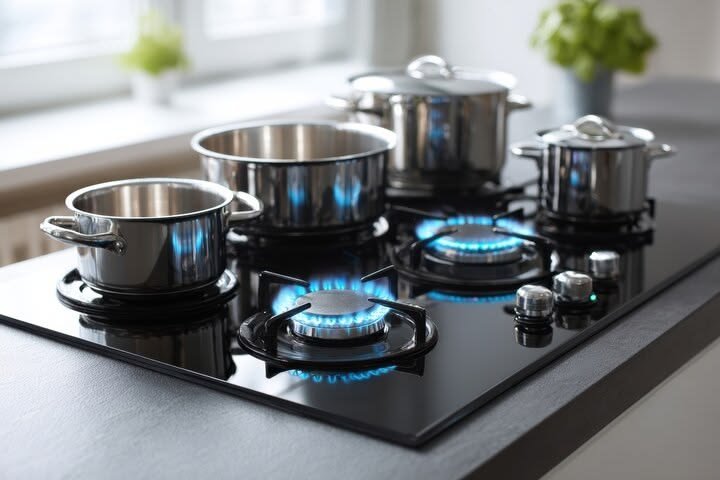
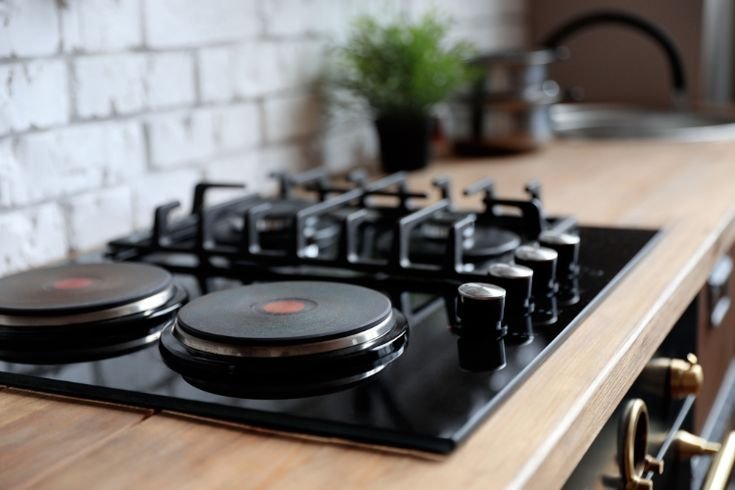
Burners: Turn each burner knob on one at a time. The igniter should click and the flame should catch within 3–4 seconds. A healthy flame is blue with a small yellow tip at the edge — not mostly yellow or orange, which signals incomplete combustion or a clog.
Oven: Set it to 350°F and listen for the igniter to click and the gas to catch. Let it preheat fully and confirm it reaches temperature (an oven thermometer is handy here).
Igniter clicking continuously: If your igniter keeps clicking even with the burner off, there may be moisture in the igniter from the installation process. Leave the stove off, open the kitchen windows, and let it air out for an hour. Usually resolves on its own.
Common Mistakes to Avoid
Here’s a quick rundown of errors I made or have seen others make — so you don’t have to:
- Reusing old gas connectors — always use a new one
- Over-tightening fittings — this can crack the fitting or strip threads
- Skipping the soap test — takes two minutes, could save your life
- Forgetting to level — annoying to fix after the fact
- Not reading the stove’s manual — each brand has slightly different inlet positions and connector requirements
- Connecting before turning off gas — please don’t do this
Also, don’t be tempted to use regular thread tape instead of yellow PTFE tape. Yellow is specifically rated for gas lines — the white plumber’s tape is for water pipes and isn’t the right seal for gas fittings.
When to Just Call a Professional
Look, I’m all for DIY. But there are situations where calling a licensed gas fitter is the smarter move:
- Your gas shutoff valve is corroded or won’t fully close
- You smell gas even after tightening connections
- Your gas line requires extending or rerouting
- You’re in a rented home or apartment (lease and code requirements vary)
- You’re installing in a commercial kitchen
There’s no shame in knowing your limits. Gas is not electricity — mistakes aren’t always obvious, and they can be dangerous.
A Quick Note on Maintenance After Installation
Once your stove is installed and running well, keeping it that way doesn’t take much. Wipe down the burner caps regularly, keep the igniter tips dry, and check under the grates every now and then for food debris blocking the gas ports.
If a burner starts acting up months down the road — weak flame, uneven heat, trouble lighting — most of the time it’s just a cleaning issue. I’ve had burners come back to life after a good soak in warm soapy water. For those situations, these 11 Easy Gas Stove Repair Basics Cleaning Habits That Saved My Stove are genuinely worth bookmarking.
Final Thoughts
Installing a gas stove yourself is absolutely doable if you take it step by step and don’t rush. The whole process took me about 90 minutes the first time — and that included me going back to the hardware store for the right length connector.
The key things to remember: turn off the gas first, always use new connectors, tape your threads, and never skip the soap test. Everything else is just patience and common sense.
Once you’ve done it once, you’ll feel comfortable doing it again — and you’ll save yourself a $100+ technician call every time.
If your stove gives you trouble after installation — strange clicking, weak flames, or ignition issues — most of it is fixable at home without any special skills. Start with the basics first: 9 Easy Gas Stove Repair Basics Troubleshooting Steps Anyone Can Try

