
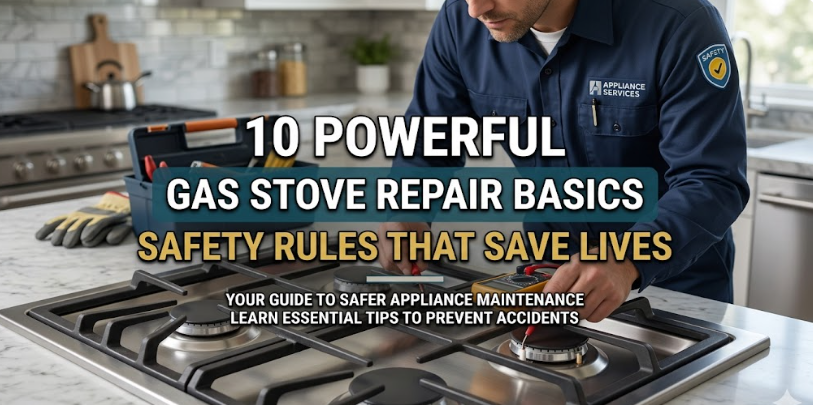
10 Powerful Gas Stove Repair Basics Safety Rules That Save Lives
A gas stove is one of those everyday tools we trust without thinking too much about it—until something goes wrong. A faint smell of gas, a burner that won’t light, or a flickering flame can quickly turn a normal cooking routine into a dangerous situation. Most people focus on fixing the issue as quickly as possible, but what truly matters is fixing it safely.
This isn’t just a technical topic. It’s about awareness, habits, and understanding how small mistakes can lead to serious consequences. The following guide goes beyond surface-level advice. It blends practical repair basics with real-world safety thinking, so you’re not just fixing problems—you’re preventing accidents.
Let’s walk through ten essential safety rules that can genuinely save lives.
understanding the risk before touching anything
Before picking up a tool or attempting any repair, it’s critical to understand what you’re dealing with. Gas is invisible, highly flammable, and unforgiving. Unlike electrical appliances where faults may be visible, gas-related problems often hide in plain sight.
Many accidents happen not because people don’t know how to repair, but because they underestimate the danger. A loose connection or a cracked hose might seem minor, but it can allow gas to leak slowly into your kitchen. Over time, even a small buildup can become explosive.
Take a moment to observe. Do you smell gas? Is the flame yellow instead of blue? Is there a hissing sound? These are not just symptoms—they are warnings. Treat them as such.
rule one: always turn off the gas supply first
This might sound obvious, but it’s surprising how often people skip this step. Before doing anything—cleaning burners, tightening connections, or replacing parts—turn off the main gas supply.
Think of it as your first line of defense. Even if you believe the issue is minor, leaving the gas on increases the risk of accidental ignition. A simple spark from metal tools or static electricity can be enough to cause a fire.
Make it a habit. No exceptions. If the gas is off, your margin of safety increases dramatically.
rule two: never ignore the smell of gas
The smell of gas is intentionally made noticeable for a reason. It’s your early warning system. Ignoring it or assuming it will “go away” is one of the most dangerous decisions you can make.
If you detect a gas smell:
- Do not light a match or turn on electrical switches
- Open windows immediately for ventilation
- Turn off the gas supply
- Leave the area if the smell is strong
Repairs should only begin after the area is fully ventilated and safe. If the smell persists, it’s time to call a professional instead of attempting a DIY fix.
rule three: use proper tools, not improvisation
A common mistake during repairs is using whatever tools are available. Pliers instead of proper wrenches, tape instead of sealing materials—these shortcuts can lead to poor fittings and leaks.
Gas connections require precision. A slightly loose fitting may not show immediate problems, but it can leak over time. Using the right tools ensures proper tightening and reduces the risk of damage to components.
Investing in basic, correct tools is not just about convenience—it’s about safety.
rule four: check for leaks after every repair
Even if you’re confident in your work, never assume a repair is perfect. Always test for leaks before using the stove again.
A simple method involves using a soap solution. Apply it to connections and watch for bubbles. If bubbles form, gas is escaping. This is a clear sign that the connection needs adjustment.
This step takes only a few minutes but can prevent serious accidents. Skipping it is like locking your door but leaving the window open.
rule five: keep the area well ventilated
Ventilation is often overlooked, yet it plays a huge role in safety. Gas buildup occurs faster in enclosed spaces. A kitchen with poor airflow can turn a minor leak into a major hazard.
When repairing or even using a gas stove:
- Open windows and doors
- Use exhaust fans if available
- Avoid working in tightly closed spaces
Good ventilation doesn’t just reduce risk—it gives you time to react if something goes wrong.
rule six: avoid repairing while the stove is hot
It might be tempting to fix an issue immediately after noticing it, especially while cooking. But repairing a hot stove increases the risk of burns and accidental ignition.
Heat can also affect how parts fit together. Metal expands when hot, which may lead to improper tightening. Waiting for the stove to cool ensures both your safety and the effectiveness of the repair.
Patience here is not a delay—it’s protection.
rule seven: understand the flame color and behavior
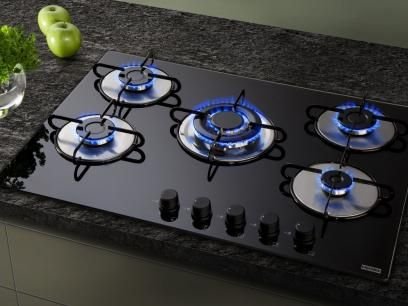
A healthy gas flame is usually blue and steady. If you notice yellow or orange flames, uneven burning, or flickering, it’s a sign that something is wrong.
This could be due to:
- Blocked burner ports
- Improper air-gas mixture
- Dirt or grease buildup
Cleaning the burners is often enough to fix the issue, but always do it carefully. Remove debris gently and ensure everything is dry before reassembling.
Your flame is like a visual indicator of your stove’s health. Pay attention to it.
rule eight: don’t overtighten connections
It’s natural to think tighter is better, but overtightening can damage threads and seals. This can create leaks rather than prevent them.
Gas fittings are designed to be snug, not forced. If you feel resistance, stop. Forcing parts can lead to cracks or misalignment, which are harder to detect and more dangerous.
Precision matters more than strength in these situations.
rule nine: replace worn-out parts promptly
Rubber hoses, seals, and connectors don’t last forever. Over time, they can become brittle, cracked, or loose. Continuing to use worn-out components is like driving a car with faulty brakes.
Regular inspection is key. Look for:
- Cracks or discoloration
- Loose fittings
- Signs of wear
If something looks questionable, replace it. These parts are usually inexpensive compared to the cost of an accident.
rule ten: know when to stop and call a professional
Perhaps the most important rule is knowing your limits. Not every issue can or should be fixed at home.
If you encounter:
- Persistent gas leaks
- Internal valve problems
- Complex installation issues
It’s better to call a trained technician. Trying to fix advanced problems without proper knowledge can make things worse.
There’s no shame in asking for help. In fact, it’s often the safest choice.

building safe habits beyond repairs
Safety doesn’t end with fixing a problem. It’s about building habits that prevent issues in the first place.
Keep your stove clean. Grease and food particles can clog burners and affect performance. Regular cleaning reduces the need for repairs and keeps everything functioning properly.
Pay attention to small changes. A slight delay in ignition or a weak flame might not seem urgent, but these are early signs of underlying issues.
Educate everyone in your household. Make sure they know how to turn off the gas supply and recognize warning signs. Safety is a shared responsibility.
a short reflection: why these rules matter
It’s easy to think of these rules as simple guidelines, but each one exists because of real incidents. Fires, explosions, and injuries often trace back to small oversights—things that could have been avoided.
What makes gas stove safety unique is how quickly situations can escalate. One moment everything is normal, and the next, it’s not.
By following these basics, you’re not just protecting your kitchen—you’re protecting lives.
frequently asked questions
- how can i tell if my gas stove is leaking?
The most common sign is the smell of gas. You might also hear a faint hissing sound near connections. Using a soap solution to check for bubbles is a reliable method to confirm a leak.
- is it safe to repair a gas stove myself?
Yes, but only for basic issues like cleaning burners or tightening connections. For complex problems or persistent leaks, it’s safer to call a professional.
- why is my gas flame yellow instead of blue?
A yellow flame usually indicates incomplete combustion, often caused by clogged burners or improper air mixture. Cleaning the burner ports typically resolves this issue.
- how often should i check my gas stove for safety?
A quick visual check every few weeks is a good habit. Inspect hoses and connections more thoroughly every few months to ensure everything is in good condition.
- what should i do if i smell gas but can’t find the source?
Turn off the gas supply immediately, ventilate the area, and avoid using electrical switches. If the smell persists, leave the area and contact a professional.
- can a small gas leak really be dangerous?
Yes. Even a small leak can accumulate over time, especially in enclosed spaces. This can create a highly flammable environment, making it extremely dangerous.
closing thoughts
Gas stove repair isn’t just about fixing what’s broken. It’s about understanding the system, respecting the risks, and developing habits that keep you and your home safe.
The difference between a safe kitchen and a dangerous one often comes down to awareness and attention to detail. These ten rules are simple, but their impact is powerful.
Take them seriously, apply them consistently, and you’ll not only solve problems—you’ll prevent them from happening in the first place.

