
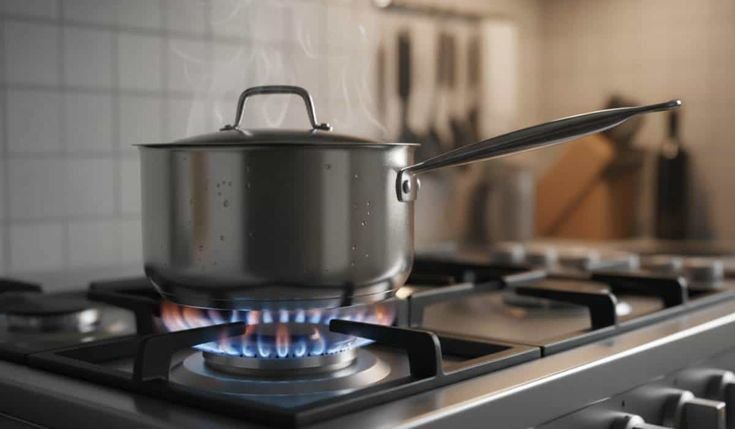
It happened on a Sunday evening when I had guests coming over for dinner. I turned the knob on my gas stove, heard that familiar clicking sound… and nothing. No flame. Just click, click, click, like the stove was mocking me.
I tried again. Still nothing.
I ended up ordering pizza that night, slightly embarrassed, and spent the next morning actually figuring out what went wrong. Turns out, the fix was stupidly simple — and I could have solved it in under ten minutes if I’d known what to look for.
If your gas stove ignition is acting up, you’re probably in that same frustrated spot. The good news? Most ignition problems don’t need a technician. They just need a little patience and the right approach. Here’s exactly what I’ve learned — through trial, error, and one very awkward dinner party.
1. Clean the Igniter — Seriously, Just Clean It
This is the fix that solves the problem about 70% of the time, and it’s the one most people skip because it seems too simple.
The igniter is that small ceramic nub sitting right next to the burner. When food particles, grease, or moisture build up around it, it can’t spark properly. It’ll click endlessly but never catch a flame.
Here’s what I do:
- Turn off the stove completely and let it cool
- Remove the burner grate and the burner cap (the round metal piece on top)
- Look at the igniter — if it looks dark, greasy, or has visible debris on it, that’s your culprit
- Use a dry toothbrush (old one, obviously) to gently scrub around the igniter
- For stubborn grime, dip a cotton swab in rubbing alcohol and clean around the base
- Let it dry completely before testing — this part matters
I made the mistake once of testing it while it was still slightly damp from cleaning. It sparked weakly but wouldn’t light. Waited 20 minutes, tried again — worked perfectly. Moisture is the enemy here.
Pro tip: Don’t use excessive water or pour cleaning liquid directly onto the igniter. It’s an electrical component and doesn’t like being soaked.
This is honestly the most underrated fix. I’ve seen people call technicians for this exact issue and pay a hefty service fee, when all it needed was a five-minute cleaning session.
2. Check and Realign the Burner Cap
Here’s something I didn’t know for the longest time: the burner cap has to sit perfectly level on the burner base. If it’s even slightly off-center or tilted, the flame won’t distribute properly — and in some cases, the stove won’t ignite at all.
This happens a lot after cooking something that boils over. You clean up the mess, put the cap back in a hurry, and it ends up slightly misaligned. Then next time you turn the knob, you get weak clicking and no flame.
How to fix it:
- Remove the burner grate
- Lift the burner cap off completely
- Look at the burner base underneath — clean any debris sitting in the slots
- Place the cap back carefully, making sure it’s flat and seated evenly
- Gently wiggle it — it should feel stable, not wobbly
It sounds almost too basic, but I’ve fixed “ignition failures” multiple times just by reseating the burner cap properly. Takes less than a minute.
If you’re not sure your stove is getting the regular attention it needs, it might be worth reading up on 11 Easy Gas Stove Repair Basics Cleaning Habits That Saved My Stove — there are some genuinely useful habits in there that prevent these issues from coming up repeatedly.
3. Dry Out the Igniter After a Spill or Heavy Steam
Water and gas stove igniters have a complicated relationship. They don’t get along.
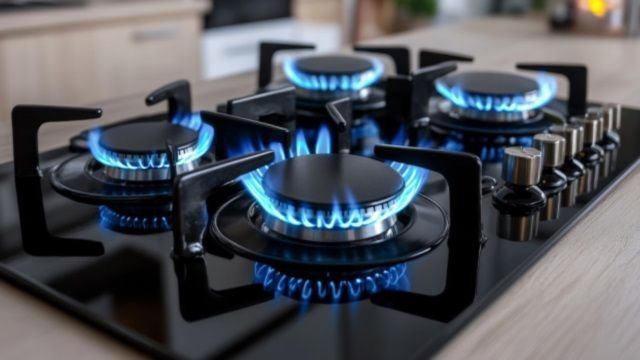
If you’ve had a boil-over, used a wet cloth to clean near the burners, or even cooked something really steamy (like a big pot of pasta), moisture can get into the igniter area and cause it to misfire — or not fire at all.
The symptom usually looks like this: the igniter clicks rapidly when you turn the knob, but there’s no spark visible, or you see a weak spark that can’t catch.
What works:
- Air dry method: Just leave the stove alone for 30–60 minutes. Sometimes that’s all it needs.
- Hair dryer method: Set it to low heat and hold it about 6–8 inches from the igniter for a couple of minutes. This speeds up the drying process.
- Oven method: If your oven shares the same ignition system, turning it on low for a bit can warm up the whole unit and help evaporate moisture.
I once had a situation where my stove kept clicking on its own — like it wouldn’t stop — even when the knobs were off. That’s actually a sign of moisture in the igniter system. Left it for an hour, came back, and the problem had resolved itself completely.
Common Ignition Problems at a Glance
Here’s a quick reference table that I wish I’d had when I first started troubleshooting:
| Symptom | Likely Cause | Quick Fix |
|---|---|---|
| Clicks but no flame | Dirty or wet igniter | Clean with toothbrush, let dry |
| Weak or uneven flame | Misaligned burner cap | Reseat cap properly |
| Igniter clicks constantly | Moisture or debris | Air dry or use hair dryer |
| No click at all | Igniter wire issue or lockout | Check connections, reset |
| Flame lights then dies | Gas flow issue or clog | Check burner ports |
Keep this handy — it covers the majority of what you’ll run into.
4. Clear the Burner Ports (The Little Holes Around the Burner)
Look closely at your burner — you’ll notice small holes all around the edge. These are called burner ports, and they’re what allow gas to flow out evenly to create a consistent flame.
When these get clogged with food residue, grease, or debris, gas can’t flow properly. You might get a flame that only lights on one side, or one that sputters and dies, or in some cases, no ignition at all.
How to clean them:
- Remove the burner cap and grate
- Lift out the burner head (the piece with all the holes)
- Use a straight pin, toothpick, or thin wire to gently poke through each port and clear any blockage
- Don’t use toothpaste, bleach, or anything that leaves residue — stick to dry tools or a little rubbing alcohol
- Rinse lightly if needed, then dry completely before reassembling
I spent a whole afternoon once trying to figure out why one of my burners kept going out mid-cook. Turned out three of the ports were completely blocked with what I can only describe as fossilized pasta water. Once I cleared them, the flame was back to normal — even and steady.
This is also one of those maintenance steps that most people never think to do until something goes wrong. 9 Easy Gas Stove Repair Basics Troubleshooting Steps Anyone Can Try covers this and a few other things worth knowing before you call in outside help.
5. Reset the Ignition System (The One Everyone Forgets)
Gas stoves — especially newer ones — have a built-in safety lockout that can trigger when the igniter sparks too many times without detecting a flame. It’s a safety feature, but it can feel like a malfunction when you don’t know what’s happening.
If you’ve been clicking the knob repeatedly trying to get it to light, there’s a decent chance the system has locked itself out.
Here’s the reset process:
- Turn all burner knobs to the OFF position
- Unplug the stove from the wall outlet (or flip the circuit breaker if it’s hardwired)
- Wait 60 seconds — this lets the ignition module discharge and reset
- Plug it back in
- Try the igniter again — turn the knob slowly to the “ignite” position and hold it for 3–5 seconds
This has saved me multiple times. It’s not something manufacturers advertise loudly, but it works.
Also worth checking: the connection between the igniter and its wire. Over time, these connections can loosen, especially if the stove gets moved around for cleaning. If you feel comfortable doing it, pull the stove slightly away from the wall, locate the igniter wires at the back, and make sure they’re firmly connected. If there’s visible damage to the wire insulation, that’s when you want a professional to take a look.
Mistakes I’ve Made (So You Don’t Have To)
Let me be honest about some things I got wrong early on:
Using too much water when cleaning. I thought more cleaning meant better results. What I got was a stove that clicked for 45 minutes straight and wouldn’t ignite for hours. Keep water away from the igniter area.
Reassembling in the wrong order. The burner head goes on before the cap. Sounds obvious, but when you’re in a hurry, it’s easy to mix up. A misassembled burner won’t light, and you’ll spend twenty minutes confused before you figure out why.
Ignoring a weak flame for too long. A flame that’s slightly off usually means partially clogged ports. I ignored it for months thinking it was “just how that burner worked.” Eventually it stopped lighting altogether. Caught early, it’s a five-minute fix.
Trying to repair the igniter electrode itself. I watched a video once that made it look easy. It was not easy. I made it worse and ended up needing a replacement part. Unless you’re comfortable with appliance repair, leave electrode replacement to someone experienced.
For a solid overview of what you should and shouldn’t attempt on your own, 6 Essential Gas Stove Repair Basics Safety Ideas That Prevent Accidents is a good read — it helped me understand where the DIY line is.
When Should You Actually Call a Technician?
Most ignition problems are DIY-friendly. But there are a few situations where you really should pick up the phone:
- You smell gas even when the stove is off — this is urgent, leave the house and call your gas provider immediately
- The igniter sparks but you can hear/smell gas and it still won’t light after multiple attempts
- There’s visible damage to wires or the igniter housing
- The problem comes back immediately after every cleaning — there may be an underlying fault
Don’t try to diagnose a gas leak or internal valve issue yourself. The cleanup tasks and basic resets are fine to handle at home — anything involving the gas line itself is a job for a certified technician.
Final Thoughts
Gas stove ignition problems feel serious when they happen — especially mid-cook or when you’ve got people over. But in most cases, the fix is genuinely simple. Clean the igniter, reseat the cap, dry out any moisture, clear the ports, or reset the system. In that order. You’d be surprised how often the first or second step solves it completely.
The real key is not panicking and not overcomplicating it. I’ve gone from calling a repair service every time something went wrong to handling most issues in under 15 minutes — just by understanding how the thing actually works.
Keep your burners clean regularly and you’ll rarely run into these problems at all. A quick wipe-down after heavy cooking sessions goes a long way.
Also worth reading: 7 Powerful Gas Stove Repair Basics Ideas to Fix Ignition Problems — it goes deeper into some ignition-specific fixes and covers a few scenarios I didn’t get into here.

