

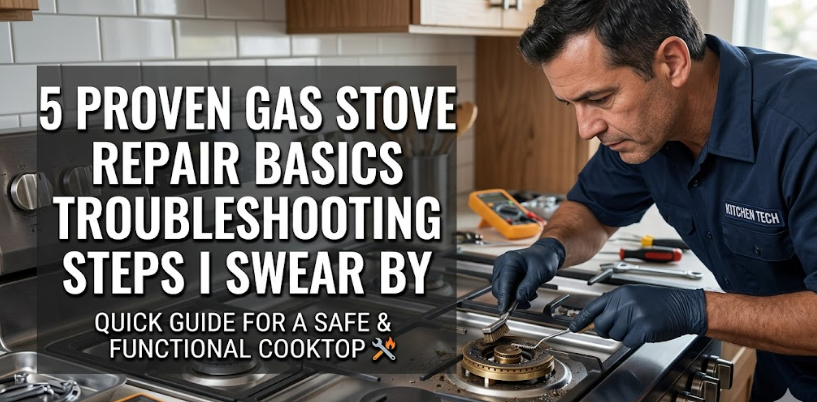
5 proven gas stove repair basics troubleshooting steps I swear by
There’s a certain kind of frustration that comes from turning a gas stove knob and getting nothing in return. No flame. No familiar clicking rhythm. Just silence—or worse, the faint smell of gas. I’ve been there more times than I’d like to admit. Over the years, through trial, error, and a fair bit of stubborn curiosity, I’ve picked up a handful of troubleshooting steps that consistently work. These aren’t overly technical fixes meant for professionals only. They’re grounded, practical, and rooted in real-life kitchen moments where you don’t have time to wait for a technician.
What makes these steps “proven” isn’t theory—it’s repetition. They’ve worked again and again across different stoves, homes, and situations. And while every stove has its quirks, these five approaches form a reliable foundation you can fall back on.
Let’s walk through them—not as rigid instructions, but as lessons learned the hard way.
understanding the personality of your stove before you fix it
Before diving into repairs, it’s worth pausing for a moment to observe. Gas stoves, despite looking similar, behave differently. Some ignite instantly, others need a second or two. Some burners are more sensitive to dirt, while others keep going no matter what.
The first step is not even a repair—it’s awareness.
Pay attention to what’s actually happening. Is there clicking but no flame? Is there flame but uneven? Is one burner working fine while another refuses? These small details guide everything that follows.
I used to jump straight into cleaning or dismantling parts, assuming something must be “broken.” But often, the stove was just trying to tell me something simple—like a blocked port or a slightly misaligned cap.
Once you start noticing patterns, troubleshooting becomes less of a guessing game and more of a conversation.
step one: clean the burner like you mean it
This sounds obvious, almost too basic. But I can’t count how many times a “broken” stove was fixed with nothing more than a proper cleaning.
Grease, food spills, and dust have a sneaky way of building up in burner ports. Even a tiny blockage can disrupt gas flow, leading to weak flames or no ignition at all.
What I’ve learned is that a quick wipe isn’t enough. You need to go deeper.
Remove the burner cap and head. Take a moment to look at the tiny holes where the gas comes out. If they look clogged—even slightly—that’s your problem right there. A thin needle, a pin, or even a toothpick can help clear them out. Just be gentle. You’re not trying to enlarge the holes, just clean them.
Warm water and mild detergent go a long way here. Let the parts soak for a bit if there’s stubborn grime. Dry everything completely before putting it back—moisture can interfere with ignition.
One time, I spent nearly an hour trying to fix a burner that wouldn’t light. I checked the igniter, the gas flow, everything. In the end, it was a single clogged hole causing the issue. A two-minute clean fixed what felt like a major breakdown.
It taught me something simple: always start with cleaning, but do it thoroughly.
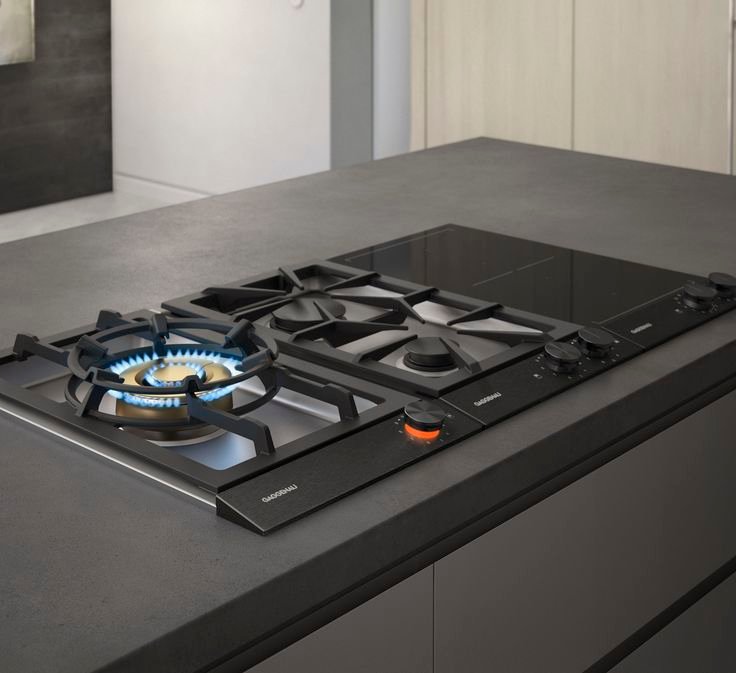
step two: check the igniter without overthinking it
If your stove clicks but doesn’t light, the igniter is usually the suspect. But here’s the thing—it’s not always broken. Sometimes it’s just dirty or slightly out of position.
The igniter is that small ceramic piece that creates a spark. Over time, grease and food residue can coat it, weakening the spark or blocking it entirely.
A soft brush or even a dry cloth can help clean it. If it’s really dirty, a bit of rubbing alcohol on a cloth works wonders.
Another thing I’ve noticed is alignment. The spark needs to jump to the right spot. If the burner cap isn’t seated properly, the spark might miss its target. It’s a small detail, but it makes a big difference.
There was a time when I was convinced my igniter had failed. I was already thinking about replacement costs. Then I noticed the burner cap was slightly tilted. I adjusted it, turned the knob, and—click—perfect flame.
Sometimes the fix isn’t about replacing parts. It’s about putting things back where they belong.
step three: make sure gas is actually flowing
This might sound basic, but it’s surprisingly easy to overlook. If there’s no flame at all, you need to confirm that gas is reaching the burner.
Start with the obvious. Is the gas supply turned on? If you’re using a cylinder, is it empty? If it’s a piped connection, is there a valve that might be closed?
Once you’ve ruled that out, listen carefully when you turn the knob. Do you hear a faint hiss? That’s gas flowing. If there’s silence, the issue might be with the valve or the line.
In some cases, the burner itself might not be receiving gas due to internal blockage. This is less common, but it happens—especially if the stove hasn’t been used in a while.
I remember once assuming my stove was broken, only to realize the gas cylinder had run out. It felt almost embarrassing, but it reinforced a valuable habit: check the basics before assuming the worst.
Gas flow is the lifeline of your stove. Without it, nothing else matters.
step four: inspect and realign burner components
Gas stoves are surprisingly sensitive to alignment. The burner head, cap, and base need to sit correctly for everything to work smoothly.
If something feels off—even slightly—it probably is.
Take the burner apart and reassemble it carefully. Make sure the cap sits flat and stable. Check that the burner head aligns with the gas outlet. Look for any signs of warping or damage.
Sometimes, repeated heating and cooling can cause slight distortions. It’s not always visible, but it affects performance.
One trick I’ve learned is to gently rotate the burner cap after placing it. If it wobbles, it’s not seated properly. Adjust it until it feels solid.
This step often overlaps with cleaning, but it deserves its own attention. Alignment issues can mimic more serious problems, leading you down the wrong path.
It’s like trying to close a door that’s slightly off its hinges—you can force it, but it won’t work smoothly until everything lines up.
step five: know when to stop and call for help
This might not sound like a “repair step,” but it’s one of the most important lessons I’ve learned.
Not every problem should be fixed on your own.
If you smell strong gas even when the stove is off, stop immediately. Don’t try to troubleshoot further. Turn off the gas supply, ventilate the area, and get professional help.
If the issue involves internal components like valves or gas lines, it’s better to leave it to someone with the right tools and experience.
There’s a difference between being resourceful and being risky.
I’ve had moments where I pushed too far, trying to fix something beyond my skill level. It never ended well. Now, I draw a clear line. Basic cleaning, alignment, and surface-level checks—I’ll handle those. Anything deeper, I step back.
Knowing your limits isn’t a weakness. It’s part of being smart about repairs.
bringing it all together in real life
What makes these steps effective isn’t just what they are—it’s how they work together.
A typical troubleshooting session might look like this: you notice a weak flame, so you clean the burner. While doing that, you check the igniter and adjust the cap. You reassemble everything carefully, turn the knob, and watch the flame return to normal.
It’s not one big fix. It’s a series of small, thoughtful actions.
Over time, this process becomes second nature. You stop seeing stove issues as major problems and start seeing them as puzzles with familiar solutions.
And there’s something satisfying about that—about fixing things with your own hands, using nothing more than patience and a bit of know-how.
common mistakes I’ve made (so you don’t have to)
I’ve made plenty of mistakes along the way, and they’ve taught me just as much as the successful fixes.
One of the biggest was rushing. Trying to fix things quickly often led to missed details. A burner not properly dried, a cap not aligned, a clogged hole left unchecked—small oversights with big consequences.
Another mistake was assuming the worst. Jumping to conclusions about broken parts instead of checking simple causes first. More often than not, the solution was right in front of me.
And then there was the tendency to over-clean—using too much water or harsh chemicals that did more harm than good. Balance matters.
These experiences shaped the way I approach troubleshooting now. Slower, more deliberate, and a lot more observant.
why these steps actually work
At their core, these five steps address the fundamental needs of a gas stove: clean pathways, proper ignition, steady gas flow, correct alignment, and safe operation.
When any one of these is compromised, problems arise. By systematically checking each one, you cover almost all common issues.
It’s not about memorizing fixes. It’s about understanding how the stove works.
Once you get that, troubleshooting becomes intuitive. You start to anticipate problems before they even happen.
And that’s when you move from reacting to issues to preventing them.
a small habit that makes a big difference
One thing that’s helped me avoid many problems is regular maintenance. Not anything elaborate—just a quick clean every few days and a deeper check every couple of weeks.
It takes less time than dealing with a malfunction later.
Wiping spills immediately, keeping burners dry, and occasionally checking alignment—these small habits keep the stove in good shape.
Think of it like brushing your teeth. You don’t wait for problems to show up. You maintain things so they don’t.
frequently asked questions
- why is my gas stove clicking but not lighting?
This usually means the igniter is working, but the gas isn’t igniting. Common causes include a dirty igniter, misaligned burner cap, or blocked burner ports. Cleaning and proper alignment often solve the issue.
- what should I do if I smell gas from my stove?
Turn off the gas supply immediately, open windows for ventilation, and avoid using electrical switches or flames. Do not attempt further repairs—contact a professional as soon as possible.
- can I use water to clean my gas stove burners?
Yes, but with caution. Use warm water and mild detergent, and make sure all parts are completely dry before reassembling. Moisture can interfere with ignition.
- why is my flame uneven or weak?
This is often due to clogged burner holes or improper gas flow. Cleaning the burner thoroughly and checking alignment usually fixes the problem.
- how often should I clean my gas stove burners?
Light cleaning every few days and a deeper clean every couple of weeks works well for most households. Frequency depends on usage and cooking habits.
- when should I replace parts instead of repairing them?
If components like the igniter or burner head are visibly damaged, cracked, or no longer functioning after cleaning and adjustment, replacement is a better option. For internal issues, always consult a professional.
closing thoughts
Gas stove troubleshooting doesn’t have to be complicated. With a bit of patience and a willingness to observe, most issues can be resolved with simple steps.
These five approaches have served me well—not because they’re perfect, but because they’re practical. They focus on what actually matters and avoid unnecessary complexity.
At the end of the day, it’s not about becoming an expert technician. It’s about being capable, confident, and prepared for those everyday moments when your stove decides to act up.
And when that happens, you won’t panic. You’ll just get to work.

