


7 powerful gas stove repair basics troubleshooting fixes for daily issues
There’s a quiet kind of frustration that comes from turning a stove knob and hearing nothing—no click, no flame, just the faint smell of gas or the stubborn silence of a burner that refuses to cooperate. Most people immediately assume something complicated has gone wrong. In reality, gas stoves are surprisingly straightforward machines. They rely on a few essential components working together: gas flow, ignition, air mixture, and cleanliness. When one of these is even slightly off, daily cooking becomes an unexpected challenge.
This guide isn’t just a list of fixes. It’s a practical, experience-driven walkthrough of the most common daily gas stove problems and how to solve them without panic or unnecessary expense. Think of it as the kind of advice you’d get from someone who has taken apart burners on a Sunday afternoon and learned the hard way what actually works.
understanding how your gas stove really works
Before diving into repairs, it helps to understand what’s happening beneath the surface. When you turn the knob, gas flows through a valve into the burner. At the same time, an igniter creates a spark. That spark ignites the gas, creating a steady flame. Air mixes with the gas through small openings to ensure efficient combustion.
When something goes wrong, it’s almost always one of these steps failing. Either gas isn’t flowing correctly, the igniter isn’t sparking, or the mixture isn’t right. Keeping this simple chain in mind makes troubleshooting far less intimidating.
fix 1: when the burner won’t ignite at all
This is one of the most common and irritating problems. You turn the knob, hear clicking (or maybe not), and nothing happens.
Start with the simplest possibility: moisture or debris. If you’ve recently cleaned the stove or spilled something, water might be blocking the ignition system. Even a tiny droplet can prevent a spark.
Remove the burner cap and let everything dry completely. If you’re in a hurry, a hair dryer on a low setting can speed things up. But patience works just as well.
Next, check for food particles. Tiny crumbs or grease buildup can block the path of the spark. Use a toothpick or a soft brush to gently clean the ignition area. Avoid metal objects that could damage the components.
If there’s no clicking sound at all, the issue may be electrical. Check if the stove is plugged in properly. Many people forget that modern gas stoves still rely on electricity for ignition.
If everything looks fine but the burner still won’t light, try lighting it manually with a match. If it lights, the gas flow is fine, and the issue is definitely with the igniter.
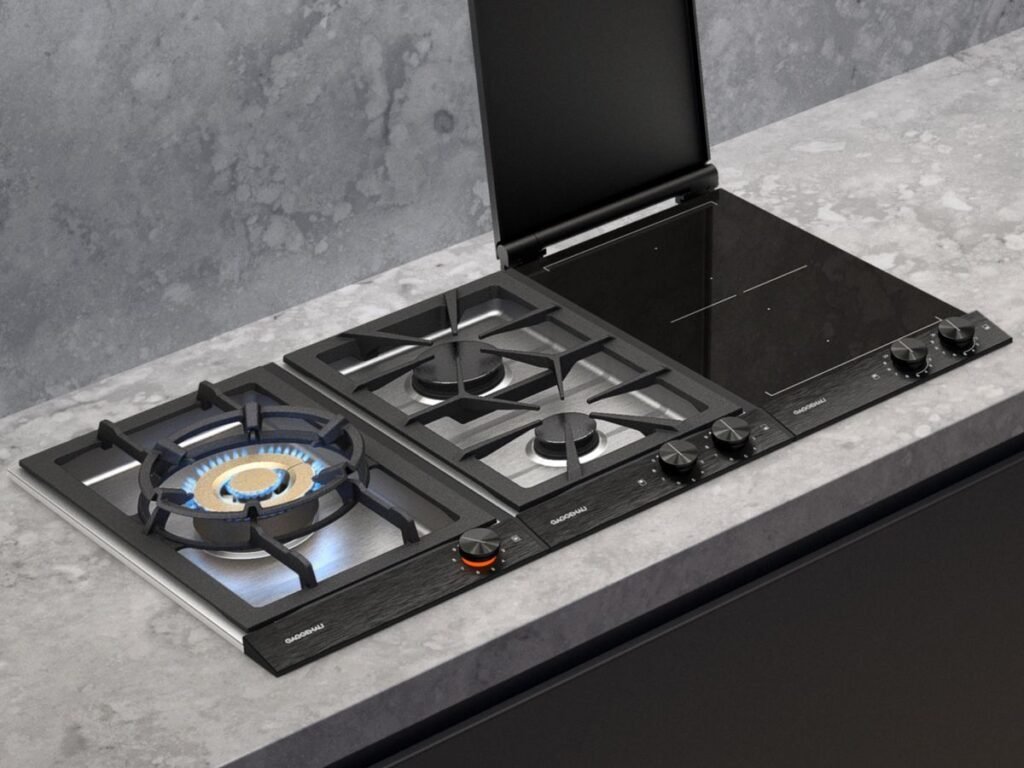
fix 2: weak or uneven flame that slows cooking
A weak flame can turn a quick meal into a drawn-out process. It’s often caused by clogged burner holes or incorrect air-to-gas ratio.
Take off the burner and inspect the small holes where the flame comes out. Over time, grease and residue clog these openings. Soak the burner in warm soapy water for 20–30 minutes, then scrub gently with a brush.
For stubborn blockages, a pin can be used carefully to clear each hole. Don’t force it—just enough to open the passage.
Another factor is the air shutter, usually located beneath the burner. If it’s not adjusted properly, the flame can appear weak or yellow instead of strong and blue. Adjusting it slightly can restore proper combustion.
A healthy flame should be steady and blue with minimal flickering. Anything else suggests incomplete combustion, which is both inefficient and potentially unsafe.
fix 3: clicking sound continues even after ignition
That endless clicking noise can drive anyone crazy. It usually means the ignition switch is stuck or moisture is interfering.
Start by cleaning around the knobs. Food spills can seep into the switches and cause them to stick. Remove the knobs and wipe the area thoroughly.
Moisture is another common culprit. If the stove was recently cleaned, water might have entered the ignition system. Let the stove dry completely. In humid environments, this might take longer than expected.
If the clicking persists, unplug the stove for a few minutes and plug it back in. This can sometimes reset the ignition system.
In more persistent cases, the ignition switch may need replacement. But that’s usually a last resort after ruling out simpler causes.
fix 4: gas smell without visible flame
This is one issue you should never ignore. If you smell gas but don’t see a flame, act immediately.
Turn off all burners and open windows for ventilation. Avoid using electrical switches or anything that could create a spark.
Once it’s safe, check if a burner knob was left slightly open. This happens more often than people admit.
If the smell continues, inspect the connections. Loose fittings or worn-out hoses can cause leaks. Applying soapy water to connections can help identify leaks—bubbles will form where gas is escaping.
If you find a leak, don’t attempt a temporary fix. Replace the faulty part or call a professional. Gas safety isn’t something to experiment with.
fix 5: burner flame is yellow instead of blue
A yellow flame might look harmless, but it’s a sign of incomplete combustion. This means your stove isn’t burning gas efficiently.
The most common reason is poor air supply. The air shutter may need adjustment to allow more oxygen into the mix.
Another possibility is dirt or grease interfering with the burner. Cleaning the burner thoroughly often restores the proper flame color.
In some cases, the issue could be related to the type of gas being used. If your stove was converted from one gas type to another (like LPG to natural gas), incorrect settings can affect the flame.
A proper blue flame indicates efficient burning and better cooking performance. It’s worth taking the time to fix this.
fix 6: burner lights but goes out quickly
This can be particularly frustrating. The burner ignites, giving you hope, then dies out within seconds.
Often, this is due to a dirty thermocouple or flame sensor. These components detect whether a flame is present and shut off gas if not.
If they’re covered in grease or residue, they may fail to detect the flame properly. Cleaning them gently with a cloth can solve the problem.
Another reason could be low gas pressure. Check if other appliances are working normally. If not, the issue might be with the gas supply itself.
In some stoves, the burner cap might not be aligned correctly. Even a slight misalignment can disrupt the flame pattern and cause it to go out.
fix 7: knobs are hard to turn or stuck
Stiff or stuck knobs are more than just inconvenient—they can be a safety issue.
Grease buildup is usually the main cause. Over time, cooking oils and food particles accumulate around the valve stems.
Remove the knobs and clean the area thoroughly with a degreaser or warm soapy water. Dry everything completely before reassembling.
If the knob itself is damaged, replacing it is inexpensive and straightforward.
For deeper issues, the valve might need lubrication. This requires a bit more care, but applying a suitable lubricant can restore smooth operation.
Avoid forcing the knob, as this can damage the internal mechanism and lead to more serious repairs.
small habits that prevent big problems
Most stove issues don’t appear overnight. They build up gradually due to neglect or small oversights.
Wiping the stove after each use might seem unnecessary, but it prevents grease buildup that leads to clogged burners and stuck knobs.
Regular deep cleaning—once every couple of weeks—keeps everything functioning smoothly.
Avoid using excessive water when cleaning. Moisture is one of the biggest enemies of ignition systems.
Pay attention to changes. A slightly weaker flame or occasional clicking sound might seem minor, but it’s often the first sign of a bigger issue.
tools you should keep handy
You don’t need a full toolbox to maintain a gas stove. A few basic items go a long way.
A soft brush for cleaning burners
A toothpick or pin for clearing holes
A clean cloth for wiping surfaces
Mild detergent for soaking parts
A flashlight for inspecting hidden areas
Having these tools nearby makes troubleshooting quick and less stressful.
when to stop and call a professional
There’s a line between simple fixes and situations that require expertise.
If you suspect a gas leak that you can’t identify, it’s time to call for help.
If electrical components seem faulty beyond basic checks, don’t risk it.
If parts need replacement and you’re unsure how to proceed, professional assistance is safer.
Trying to fix everything yourself can sometimes make things worse. Knowing when to step back is part of responsible troubleshooting.

a practical mindset for everyday fixes
The most powerful tool you have isn’t a brush or a screwdriver—it’s patience. Gas stove problems rarely require brute force or complex solutions. They require observation.
Instead of jumping to conclusions, take a moment to notice what’s actually happening. Is there a spark? Is there gas flow? Is the flame consistent?
Breaking the problem into smaller parts makes it manageable. And more often than not, the solution becomes obvious once you slow down and look closely.
real-life scenario: a quick kitchen save
Imagine you’re in the middle of preparing dinner, and the burner refuses to ignite. Instead of panicking, you remove the cap and notice a bit of moisture from earlier cleaning.
You dry it, reassemble the burner, and try again. The flame appears instantly.
What could have turned into a stressful situation becomes a simple fix. This is the kind of confidence that comes from understanding your stove.
another scenario: the mysterious weak flame
A burner that once boiled water quickly now struggles to do the same. You might assume the stove is aging or failing.
But after removing the burner and cleaning the clogged holes, the flame returns to full strength.
It’s a reminder that many “serious” problems are just maintenance issues in disguise.
why these fixes matter beyond convenience
A properly functioning gas stove isn’t just about cooking efficiency. It’s also about safety and cost.
Incomplete combustion wastes gas and increases energy bills. Gas leaks pose serious risks. Faulty ignition systems can lead to dangerous situations.
By addressing small issues early, you avoid bigger problems later. It’s not just repair—it’s prevention.
building confidence with each fix
The first time you troubleshoot a stove problem, it might feel uncertain. But each successful fix builds confidence.
Over time, you start recognizing patterns. A yellow flame immediately suggests airflow issues. A clicking sound points to ignition.
This familiarity turns what once felt complicated into something almost routine.
frequently asked questions
- why does my gas stove take longer to ignite than before
This is usually due to dirt or moisture around the igniter. Cleaning and drying the area often restores normal ignition speed. - is it safe to use a gas stove with a yellow flame
It’s not ideal. A yellow flame indicates incomplete combustion, which can produce harmful gases. It’s best to fix the issue promptly. - how often should I clean my gas stove burners
Light cleaning after daily use and a deeper clean every couple of weeks is generally enough to keep burners functioning well. - can I use vinegar to clean stove parts
Yes, vinegar can help remove grease and residue. Just make sure to rinse and dry all parts thoroughly before reassembling. - what should I do if my stove keeps clicking even when turned off
This is often caused by moisture or a stuck ignition switch. Cleaning and drying the area usually solves the problem. If not, the switch may need replacement. - when should I replace instead of repair my gas stove
If the stove has multiple failing components or requires costly repairs, replacement might be more practical. Otherwise, most issues can be fixed easily.
closing thoughts
Gas stove troubleshooting doesn’t have to be overwhelming. With a bit of understanding and a willingness to look closely at the problem, most daily issues can be resolved quickly.
These seven fixes aren’t just technical steps—they’re habits of observation and care. Once you adopt them, your stove becomes less of a mystery and more of a reliable tool in your kitchen.
And the next time a burner refuses to cooperate, you won’t see it as a problem. You’ll see it as something you already know how to handle.

