

8 easy gas stove repair basics maintenance tips for long life
A gas stove is one of those everyday tools that quietly supports your life. It helps you cook meals, boil tea, and keep routines flowing without interruption. Yet, like most things we rely on daily, it rarely gets the attention it deserves—until something stops working. A weak flame, a clogged burner, or an ignition that refuses to click can quickly turn a simple cooking task into frustration.
The truth is, you don’t need to be a technician to keep your gas stove in good condition. With a little awareness, some regular care, and a few simple habits, you can extend its lifespan significantly. This article walks through practical, easy-to-follow maintenance tips that don’t require special tools or advanced knowledge. Think of it as a blend of experience, observation, and common-sense care.
Before diving into the tips, it helps to understand one simple idea: most gas stove problems don’t appear suddenly. They build up over time—through grease, dust, moisture, and neglect. When you learn to notice small changes early, you prevent bigger repairs later.
Let’s begin.
tip 1: keep burners clean and dry
If there’s one habit that can make the biggest difference, it’s cleaning the burners regularly. Over time, food spills, oil splashes, and dust settle into the tiny holes of the burner. These holes are responsible for distributing gas evenly. When they get blocked, the flame becomes uneven or weak.
You might notice a yellow flame instead of blue. That’s often a sign of incomplete combustion, usually caused by dirt or blockage. Ignoring it can lead to inefficient cooking and even safety concerns.
A simple routine works best. Once the stove cools down, remove the burner caps and rings. Wash them with warm water and mild detergent. If there’s stubborn grease, let them soak for a few minutes. Use a soft brush or even a toothpick to clear clogged holes—gently, without forcing anything.
Drying is just as important as cleaning. Moisture trapped inside burners can interfere with ignition. After washing, let the parts air dry completely or wipe them with a clean cloth.
You don’t need to do this every day. Once a week is usually enough for most households. But if you cook frequently or deal with heavy spills, a quick wipe after each use helps prevent buildup.
tip 2: check the flame regularly
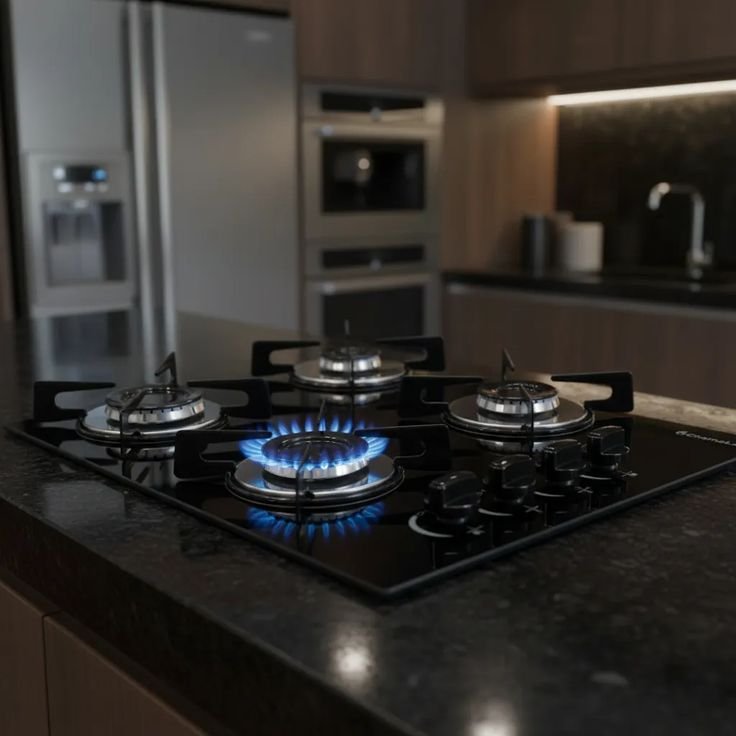
A healthy gas flame tells you a lot about the condition of your stove. Ideally, it should be blue and steady. If it flickers, turns yellow, or produces soot, something isn’t right.
Instead of ignoring these signs, treat them as early warnings. A yellow flame may indicate blocked burner holes or insufficient air mixing. A weak flame might suggest low gas pressure or partial blockage.
Take a moment every few days to observe the flame while cooking. It’s a small habit, but it helps you catch issues before they grow. If the flame pattern changes suddenly, it’s worth checking the burner for dirt or misalignment.
Sometimes, the burner cap might not be sitting properly after cleaning. Even a slight misplacement can affect the flame. Make sure everything is aligned correctly before turning on the gas.
tip 3: keep the ignition system dry
Modern gas stoves often come with automatic ignition systems. They’re convenient, but they’re also sensitive to moisture and dirt. If your stove struggles to ignite or requires multiple attempts, the ignition area might need attention.
After cooking, especially if liquids spill over, wipe around the ignition point. Avoid letting water seep into the ignition hole. Even a small amount of moisture can disrupt the spark.
If the igniter clicks but doesn’t light the flame, try cleaning the area gently with a dry cloth or soft brush. Never use excessive water or harsh chemicals.
In some cases, letting the stove dry out for a few hours restores normal function. Patience can save you from unnecessary repairs.
tip 4: protect the surface from spills and corrosion
The surface of your gas stove isn’t just about appearance—it also plays a role in durability. Spilled food, especially acidic substances like tomato sauce or vinegar, can damage the finish over time.
Make it a habit to wipe spills as soon as the stove cools down. Dried stains are harder to remove and can lead to permanent marks.
Use a soft cloth and mild cleaner. Avoid abrasive scrubbers that can scratch the surface. Scratches don’t just look bad; they can also trap dirt and moisture, leading to corrosion.
If your stove has a stainless steel finish, wiping in the direction of the grain helps maintain its look. It’s a small detail, but it keeps the stove looking newer for longer.
tip 5: inspect gas connections occasionally
While most maintenance tasks are simple, checking gas connections requires a bit more attention. You don’t need to dismantle anything—just a visual and basic inspection.
Look at the gas hose or pipe connected to your stove. Check for cracks, leaks, or signs of wear. If you ever smell gas, don’t ignore it. Turn off the supply immediately and ventilate the area.
A simple test involves applying a soap-water solution to the connection points. If bubbles form, there might be a leak. This is a basic method often used to detect gas leaks safely.
If you’re unsure or uncomfortable, it’s always better to call a professional. Safety should never be compromised.
tip 6: avoid overloading burners
It might seem harmless to place large, heavy pots on the stove, but overloading burners can cause long-term damage. Excess weight can misalign burner components and affect gas flow.
Use cookware that matches the size of the burner. A small burner struggling under a large pot doesn’t just cook inefficiently—it also wears out faster.
Balanced cooking isn’t just about food; it’s also about preserving your equipment.
tip 7: clean the drip trays and pan supports
Drip trays and pan supports often collect grease and food debris. Because they’re less visible, they’re easy to ignore. But over time, this buildup can affect both hygiene and performance.
Remove these parts periodically and wash them thoroughly. Soaking helps loosen hardened grease. Once clean, dry them completely before placing them back.
Keeping these components clean also reduces unpleasant odors during cooking.
tip 8: schedule occasional deep cleaning
Even with regular maintenance, your stove benefits from a deeper cleaning every few months. This involves removing all detachable parts and cleaning areas that aren’t part of your daily routine.
Pay attention to corners, edges, and spaces beneath burners. These areas often collect hidden dirt.
Deep cleaning doesn’t have to be complicated. Set aside some time, gather basic cleaning supplies, and work methodically. It’s a bit of effort, but it refreshes your stove and prevents long-term issues.
a practical weekly checklist
To make things easier, here’s a simple weekly routine you can follow:
- wipe the surface after daily use
- check flame color and strength
- clean burners once a week
- dry all components thoroughly
- inspect for visible wear or damage
This routine takes only a few minutes but makes a noticeable difference over time.

common mistakes to avoid
Sometimes, it’s not what you do but what you avoid that matters.
Using harsh chemicals can damage parts. Ignoring small issues allows them to grow. Reassembling parts incorrectly after cleaning can affect performance.
Another common mistake is neglecting drying. Water left inside burners or ignition areas can lead to repeated problems.
Being mindful of these small details keeps your stove running smoothly.
understanding when to call a professional
While many issues can be handled at home, some situations require expert help. Persistent ignition failure, strong gas odors, or major flame irregularities shouldn’t be ignored.
Trying to fix complex problems without proper knowledge can make things worse. Knowing your limits is part of responsible maintenance.
long-term benefits of regular maintenance
When you care for your gas stove consistently, you gain more than just a functional appliance. You save money on repairs, reduce energy waste, and enjoy a safer cooking environment.
There’s also a sense of reliability. A well-maintained stove works when you need it, without surprises.
Over time, these small efforts add up. What seems like a few minutes of cleaning today can add years to your stove’s life.
a short reflection
Think about how often you use your gas stove. It’s part of your daily rhythm—morning tea, afternoon cooking, late-night snacks. Taking care of it isn’t just about maintenance; it’s about respecting something that supports your routine.
You don’t need to be perfect. Even small improvements in your habits can lead to noticeable results.
faqs
- how often should i clean my gas stove burners
Once a week is generally enough for regular use. If you cook frequently or notice uneven flames, you might need to clean them more often. - why is my gas stove flame yellow instead of blue
A yellow flame usually indicates incomplete combustion, often caused by clogged burner holes or improper air mixing. Cleaning the burners usually resolves this. - can i use vinegar to clean my gas stove
Yes, vinegar can help remove grease and stains. However, use it in moderation and rinse thoroughly to avoid residue. - what should i do if my stove doesn’t ignite
First, check if the ignition area is clean and dry. If the problem persists, inspect the burner alignment. If it still doesn’t work, consider professional help. - is it safe to check gas leaks at home
A basic soap-water test can help detect leaks, but if you suspect a serious issue, it’s safer to call a professional immediately. - how can i extend the life of my gas stove
Regular cleaning, proper use, avoiding overload, and addressing small issues early are the best ways to extend your stove’s lifespan.
By keeping these simple tips in mind and turning them into habits, you create a routine that protects your gas stove from unnecessary damage. Over time, this care becomes second nature—and your stove rewards you with consistent, reliable performance.

