
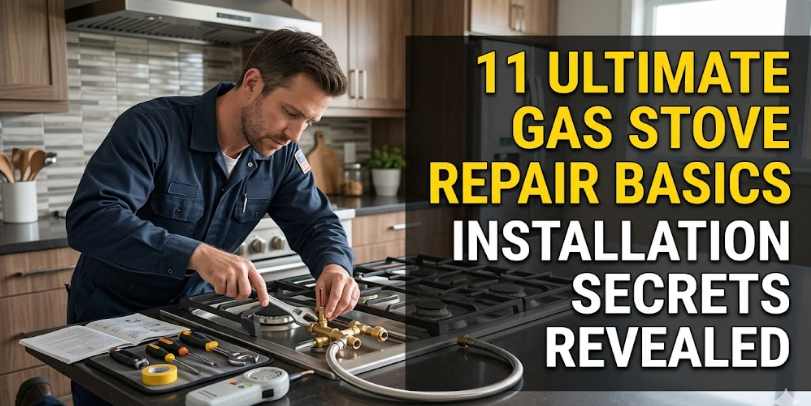
11 ultimate gas stove repair basics installation secrets revealed
A kitchen has a rhythm of its own. The sound of a burner clicking to life, the quiet hiss of steady flame, the smell of spices hitting heat—these are small signals that everything is working the way it should. When a gas stove starts misbehaving, that rhythm breaks. Meals get delayed, frustration builds, and even a simple cup of tea can turn into a challenge.
What most people don’t realize is that many gas stove problems are not as complicated as they seem. Behind the knobs and burners lies a fairly straightforward system. Once you understand a few core principles, you begin to see patterns in every issue—whether it’s a weak flame, uneven heating, or ignition trouble.
This guide goes beyond surface-level advice. It explores practical, hands-on insights that feel more like experience passed down than textbook instruction. These are installation secrets and repair basics that don’t just fix problems—they help you understand your stove in a way that makes future issues easier to handle.
secret one: understanding the anatomy of your gas stove
Before fixing anything, it helps to know what you’re working with. A gas stove may look simple from the outside, but it consists of several parts that work together in a precise way.
At the heart of the system is the burner assembly. Gas flows through small openings and mixes with air before being ignited. This mixture is what produces the blue flame. When something disrupts this balance—dust, grease, or improper installation—you’ll see changes in the flame color or strength.
Below the surface sits the gas valve, which controls the flow of gas. The regulator ensures that the pressure remains consistent. Without proper pressure, even a perfectly clean burner won’t perform well.
Knowing where these components are and what they do gives you confidence. Instead of guessing, you start diagnosing.
quick reference table
Problem
Likely cause
Basic fix
Yellow flame
Poor air-gas mix
Clean burner ports
Weak flame
Low pressure
Check regulator
Clicking but no ignition
Faulty igniter
Clean or replace
Uneven flame
Blocked ports
Use a pin to clear
secret two: proper installation is half the repair
Many stove issues begin at installation. A loose connection, a slightly tilted surface, or improper hose alignment can create problems that show up weeks later.
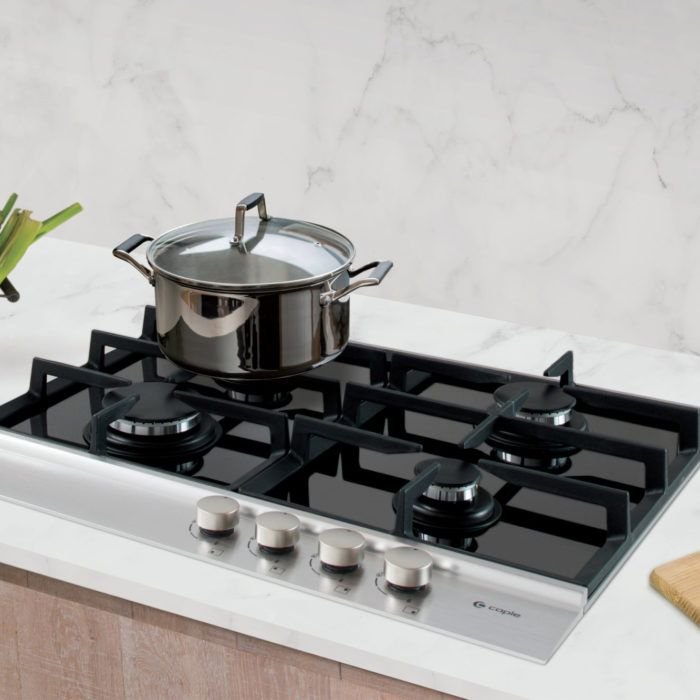
When installing a gas stove, the first thing to check is stability. The stove should sit flat, without wobbling. Even a small tilt can cause uneven flame distribution.
Next is the gas connection. The hose should not be twisted or stretched. It should follow a natural curve, free from sharp bends. This ensures smooth gas flow.
One overlooked detail is sealing. Using the correct sealing tape on threaded connections prevents minor leaks that can weaken performance over time.
installation checklist
- Ensure level surface
- Secure all connections tightly
- Avoid bending the gas hose
- Use proper sealing materials
- Test for leaks before first use
secret three: the flame tells a story
A healthy gas flame is blue with a steady shape. When the flame changes, it’s not random—it’s a signal.
A yellow or orange flame often means incomplete combustion. This usually happens when burner holes are blocked or there isn’t enough air mixing with the gas.
A flickering flame might indicate inconsistent gas pressure. If it grows and shrinks, the regulator may need attention.
Listening also helps. A soft, steady sound is normal. A loud or sputtering noise suggests imbalance.
learning to read flame behavior
- Blue flame = healthy
- Yellow tips = cleaning needed
- Weak flame = pressure issue
- Loud flame = airflow imbalance
secret four: cleaning is not just maintenance, it’s prevention
Grease and food particles are the silent enemies of gas stoves. They build up gradually and affect performance without obvious signs at first.
Regular cleaning keeps burners functioning properly. Remove the burner caps and wash them with warm soapy water. Use a soft brush to clean the ports.
Avoid using harsh chemicals. They can damage metal surfaces and leave residues that interfere with gas flow.
simple cleaning routine
daily
wipe surface after cooking
weekly
remove and clean burner caps
monthly
inspect ports and clear blockages
secret five: ignition issues are usually simple
When a stove clicks but doesn’t ignite, people often assume the worst. In reality, ignition problems are often minor.
The igniter tip can get dirty. A thin layer of grease or dust can prevent the spark from reaching the gas. Cleaning it gently with a dry cloth can restore function.
Moisture is another common cause. If the stove was recently cleaned, water may have entered the ignition system. Letting it dry completely often solves the problem.
troubleshooting steps
- Clean igniter tip
- Ensure dryness
- Check battery (if applicable)
- Inspect wiring for loose connections
secret six: gas pressure matters more than you think
A stove depends on consistent gas pressure. Too low, and the flame weakens. Too high, and it becomes unsafe.
The regulator controls this pressure. If you notice that all burners are underperforming, the regulator is a good place to start.
Sometimes, the issue is external. A nearly empty gas cylinder can cause pressure drops. Replacing it may instantly fix the problem.
pressure check signs
- All burners weak = regulator or supply issue
- One burner weak = localized blockage
- Flame changes when turning knob = normal
secret seven: proper burner alignment
Burner caps and rings must sit correctly. Even slight misalignment can affect flame distribution.
If a burner produces an uneven flame, remove the cap and reposition it. Make sure it sits snugly.
alignment tips
- Place cap evenly
- Ensure no wobble
- Match grooves correctly
secret eight: don’t ignore small leaks
Gas leaks are serious, but they’re not always dramatic. Sometimes they’re small and barely noticeable.
A simple way to check is the soap test. Apply soapy water to connections and look for bubbles. If bubbles form, there’s a leak.
Never ignore even a minor leak. Fixing it early prevents bigger problems.
safety steps
- Turn off gas supply
- Tighten connections
- Replace faulty parts
- Test again before use
secret nine: replacing parts is easier than you think
Many stove parts are designed to be replaceable. Burner caps, knobs, igniters—these can often be swapped without professional help.
The key is compatibility. Always match the replacement part with your stove model.
replacement basics
- Identify the faulty part
- Find a matching replacement
- Install carefully
- Test functionality
secret ten: ventilation improves performance
Good airflow doesn’t just make cooking comfortable—it improves stove efficiency.
A well-ventilated kitchen ensures proper combustion. It also prevents buildup of harmful gases.
ventilation tips
- Use exhaust fans
- Keep windows slightly open
- Avoid enclosed spaces
secret eleven: routine inspection saves time and money
A quick inspection every few weeks can catch issues early. Look for signs like discoloration, unusual smells, or loose parts.
inspection checklist
- Check flame color
- Inspect connections
- Clean visible dirt
- Test ignition
practical scenario walkthrough
Imagine this: you turn the knob, hear the clicking sound, but no flame appears. Instead of panic, you follow a simple process.
First, check if gas is flowing. If yes, move to the igniter. Clean it gently. Try again. If still no ignition, consider moisture. Let it dry and test later.
This step-by-step thinking turns a frustrating moment into a manageable task.
common mistakes to avoid
- Over-tightening connections
- Using sharp tools on burners
- Ignoring early warning signs
- Skipping regular cleaning
small habits that make a big difference
- Wiping spills immediately
- Keeping burners dry
- Checking gas levels regularly
- Listening to changes in sound
the mindset shift
Gas stove repair isn’t about being an expert. It’s about being observant. When you pay attention to small details, problems become easier to solve.
Instead of reacting to breakdowns, you start preventing them. That’s where the real value lies.
frequently asked questions
- why is my gas stove flame yellow instead of blue?
A yellow flame usually indicates incomplete combustion. This often happens due to blocked burner holes or insufficient air mixing with the gas. Cleaning the burner typically resolves the issue. - what should i do if my stove clicks but doesn’t light?
Start by cleaning the igniter and ensuring it’s dry. Check if gas is flowing and confirm that the igniter is producing a spark. - how often should i clean my gas stove burners?
Light cleaning should be done weekly, while deeper cleaning and inspection can be done monthly to maintain optimal performance. - can i replace stove parts myself?
Yes, many parts like burner caps and knobs are easy to replace. Just ensure you use compatible parts and follow basic safety precautions. - how do i check for gas leaks safely?
Use a soap solution on connections. If bubbles appear, there is a leak. Tighten the connection or replace the faulty component. - why is my flame weak even after cleaning?
A weak flame could be due to low gas pressure, a faulty regulator, or an almost empty gas cylinder. Checking these areas should help identify the cause.
closing thoughts
A gas stove is one of the most reliable tools in a kitchen, but like anything used daily, it needs attention. The secrets shared here aren’t complicated tricks—they’re simple insights that change how you approach problems.
Once you understand how your stove works, repairs stop feeling like emergencies. They become small adjustments, part of the natural rhythm of maintaining your home.
And in that quiet moment when the flame burns steady and blue again, there’s a certain satisfaction—knowing you fixed it yourself.

