

11 Ultimate Gas Stove Repair Basics Repair Tips You Must Know
There’s something oddly reassuring about the quiet click-click whoosh of a gas stove coming to life. It’s a small, everyday sound that signals control, comfort, and the promise of a warm meal. But when that sound disappears—or worse, gets replaced by a stubborn silence or an uneven flame—it quickly turns into frustration. Gas stoves are simple in design compared to many modern appliances, yet they can develop quirks that feel complicated if you don’t know where to start.
This guide is not just a checklist of fixes. It’s a practical, experience-driven walkthrough of how gas stoves behave, why they fail, and how you can confidently bring them back to life. Think of it as learning the personality of your stove—because once you understand it, most problems become predictable and manageable.
- understanding the anatomy of your gas stove
Before you attempt any repair, it helps to know what you’re dealing with. A typical gas stove has burners, ignition systems (manual or automatic), gas valves, a regulator, and connecting pipes. Each part plays a role in delivering a steady flame.
The burner is where gas mixes with air and ignites. The ignition system creates the spark. The gas valve controls the flow, while the regulator ensures consistent pressure. When something goes wrong, it’s usually one of these parts failing—or a combination of minor issues stacking up.
A useful habit is to observe your stove regularly. Notice how quickly it lights, how the flame looks, and whether all burners behave the same way. These small observations become clues when troubleshooting later.
- safety first: what not to ignore
Gas appliances demand respect. Before touching anything, always turn off the gas supply. If you smell gas strongly and continuously, don’t try to fix it yourself—ventilate the area and call a professional immediately.
A faint smell right after lighting can be normal, but lingering gas odor is not. Similarly, yellow or orange flames instead of blue can signal incomplete combustion, which may produce carbon monoxide.
Keep a simple rule in mind: if the issue involves gas leakage or internal pipe damage, step back. For everything else—clogs, ignition issues, uneven flames—you can usually proceed safely with care.
- cleaning clogged burners the right way
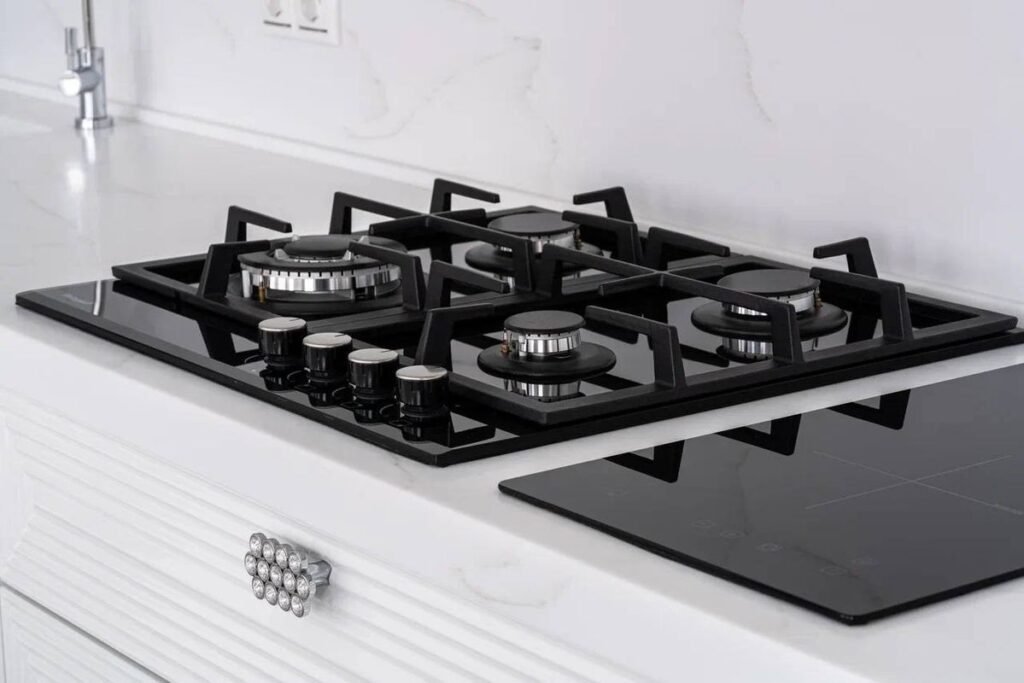
One of the most common issues is a clogged burner. Food spills, grease, and dust can block the tiny holes where gas escapes. The result? Weak flame, uneven burning, or no ignition at all.
Remove the burner cap and head. Soak them in warm soapy water for a while. Use a soft brush or a toothpick to clear the holes—avoid using anything too sharp that could enlarge them.
After cleaning, let everything dry completely before reassembling. Moisture can interfere with ignition. This simple cleaning step alone fixes a surprising number of problems.
- fixing ignition problems without guesswork
If your stove clicks but doesn’t light, the issue could be moisture, dirt, or a worn-out igniter. First, check if the burner is clean and dry. If it’s recently been cleaned or exposed to spills, give it time to dry out.
Next, inspect the igniter. It should produce a visible spark. If it doesn’t, gently clean around it. Sometimes grease buildup prevents proper sparking.
If there’s no clicking sound at all, the ignition switch or wiring might be faulty. In that case, you may need professional help or consider replacing the ignition module.
- dealing with weak or uneven flames
A healthy gas flame should be steady and blue. If it’s flickering, weak, or uneven, something is disrupting the gas-air mixture.
Start by checking the burner alignment. If it’s not sitting properly, the flame will be irregular. Next, ensure the burner holes are clean.
Another possible cause is low gas pressure. This could be due to a faulty regulator or an almost empty gas cylinder. Replacing or adjusting the regulator often restores normal flame strength.
- restoring proper gas flow
Sometimes the issue isn’t the burner—it’s the gas supply itself. If all burners are underperforming, the problem likely lies upstream.
Check the gas hose for bends or blockages. Make sure the regulator is securely attached. If you’re using a cylinder, confirm it’s not nearly empty.
In some cases, dirt can enter the gas line. While minor external checks are fine, internal cleaning should be handled by professionals to avoid risk.
- fixing a burner that won’t stay lit
You turn the knob, the flame appears—and then disappears as soon as you release it. This is often related to the thermocouple, a safety device that shuts off gas if no flame is detected.
If the thermocouple is dirty or misaligned, it may not sense the flame properly. Cleaning it gently and ensuring it’s positioned correctly near the flame can solve the issue.
If the problem persists, the thermocouple might need replacement. It’s a relatively inexpensive part but requires careful handling.
- handling strange noises and smells
A gas stove should operate quietly. Hissing, popping, or whistling sounds can indicate issues with gas flow or burner blockage.
Hissing might be normal when gas is flowing, but if it’s unusually loud, check for leaks or loose connections. Popping sounds often occur when burners are dirty or wet.
As for smells, a brief gas odor during ignition is normal. Persistent smell is not. Always take unusual odors seriously and investigate promptly.
- maintaining your stove for long-term reliability
Prevention is always easier than repair. Regular cleaning is the most effective way to keep your stove in good condition.
Wipe down surfaces daily. Clean burners weekly if you cook frequently. Check connections and hoses periodically for wear and tear.
Also, avoid letting spills sit for too long. Acidic or sugary substances can corrode parts over time. A few minutes of maintenance can save hours of troubleshooting later.
- knowing when to replace parts
Not every problem has a quick fix. Sometimes, parts wear out and need replacement. Igniters, thermocouples, and regulators are common components that may fail over time.
If a part repeatedly causes issues despite cleaning and adjustments, it’s likely time to replace it. Always use compatible parts and follow proper installation guidelines.
Think of it this way: replacing a small component is often cheaper and safer than forcing a failing one to keep working.
- building confidence with small repairs
The biggest barrier to DIY repair isn’t skill—it’s hesitation. Many people assume gas stove issues are too dangerous or complex to handle. While caution is necessary, most common problems are straightforward.
Start with simple fixes like cleaning and visual inspection. As you gain experience, you’ll become more comfortable identifying issues and taking action.
Over time, you’ll develop an intuitive sense of how your stove behaves. That confidence is what turns a frustrating problem into a manageable task.
a practical checklist you can keep nearby
- Is the burner clean and dry?
- Are all parts properly aligned?
- Is the gas supply steady and sufficient?
- Is the ignition system working correctly?
- Are there any unusual smells or sounds?
Running through this checklist can quickly narrow down the issue and guide your next step.
real-life perspective: why small issues matter
A slightly uneven flame might seem harmless, but it can lead to inefficient cooking and higher gas consumption. A delayed ignition can become a safety concern if ignored.
Treat small issues as early warnings rather than inconveniences. Addressing them promptly not only keeps your stove functioning well but also extends its lifespan.
faq section
- why does my gas stove click but not ignite?
This usually happens due to moisture, dirt, or a faulty igniter. Cleaning and drying the burner often solves the problem. If not, the ignition system may need repair or replacement. - is it safe to repair a gas stove myself?
Basic maintenance like cleaning burners and checking alignment is generally safe if the gas supply is turned off. However, issues involving gas leaks or internal components should be handled by professionals. - what does a yellow flame mean?
A yellow or orange flame indicates incomplete combustion, often caused by clogged burners or improper air-gas mixture. Cleaning the burner usually restores the blue flame. - how often should i clean my gas stove?
Light cleaning should be done daily, while a more thorough cleaning of burners and components can be done weekly or as needed based on usage. - why does my burner flame go out when i release the knob?
This is commonly due to a faulty or dirty thermocouple. Cleaning or repositioning it may help, but replacement might be necessary if the issue continues. - when should i call a professional?
If you smell persistent gas, suspect a leak, or face issues with internal gas lines or regulators, it’s best to call a professional immediately.
closing thoughts
A gas stove is one of those appliances that quietly supports daily life—until it doesn’t. When problems arise, they can feel disruptive, but they rarely have to be overwhelming. With a bit of patience, observation, and basic know-how, most issues can be resolved without stress.
The real value isn’t just in fixing a problem—it’s in understanding your appliance well enough that future problems don’t catch you off guard. Once you reach that point, you’re no longer reacting to issues; you’re staying ahead of them.

