

9 powerful gas stove repair basics fixes for common problems
There’s something quietly frustrating about a gas stove that refuses to cooperate. Maybe the flame won’t light, or it burns unevenly, or worse—it clicks endlessly like it’s trying to tell you something you don’t quite understand. For most of us, the first instinct is to call a technician. But over time, and often through trial, error, and a bit of stubborn curiosity, many common gas stove issues reveal themselves to be surprisingly fixable.
This guide isn’t just a checklist of quick tricks. It’s a lived-in, practical understanding of how gas stoves behave, why they fail, and how you can bring them back to life without overspending or overthinking. You don’t need to be an expert—just patient, observant, and willing to get your hands a little dirty.
Let’s walk through nine powerful fixes that address the most common gas stove problems, along with the small insights that make a big difference.
understanding the anatomy before fixing anything
Before jumping into repairs, it helps to understand the basic parts of a gas stove. You’ve got the burner heads where flames appear, the ignition system (manual or electric), the gas supply line, valves that regulate flow, and sometimes safety mechanisms like thermocouples.
Think of your stove like a simple system: gas flows, mixes with air, and ignites. If any part of that chain breaks, you get problems. Most fixes are about restoring that balance.
fix 1: unclogging burner ports for weak or uneven flames
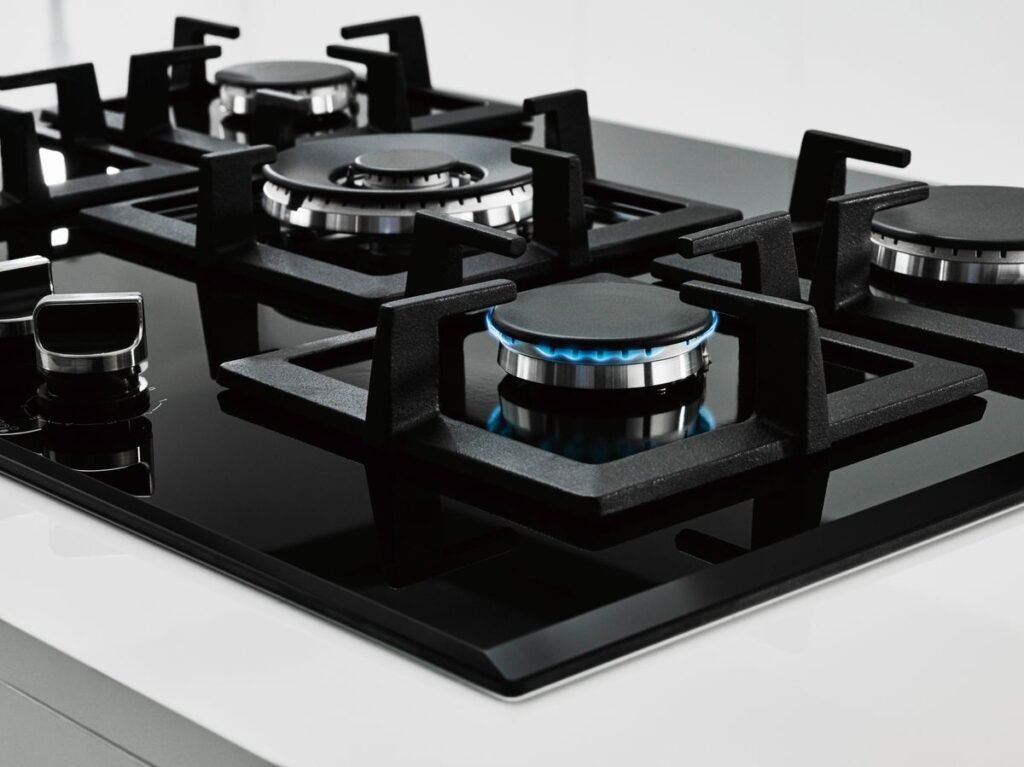
One of the most common issues is a weak or uneven flame. Instead of a steady blue ring, you might see patchy yellow flames or gaps where fire should be.
This usually means the tiny holes around the burner—called ports—are clogged with grease, food particles, or carbon deposits.
what to do:
Remove the burner cap and head carefully. Use a thin needle, pin, or even a toothpick to clean each hole. Avoid using something too thick, as it might damage the ports. After that, wash the burner parts in warm soapy water, dry them completely, and place them back properly.
a small tip that matters:
Drying is crucial. Even a little moisture can disrupt ignition or cause irregular flames.
fix 2: cleaning the ignition electrode when clicking won’t stop
If your stove keeps clicking but doesn’t light, or continues clicking even after lighting, the ignition electrode is likely dirty or misaligned.
This electrode produces the spark that ignites gas. When grease or moisture builds up, the spark weakens or misfires.
how to fix it:
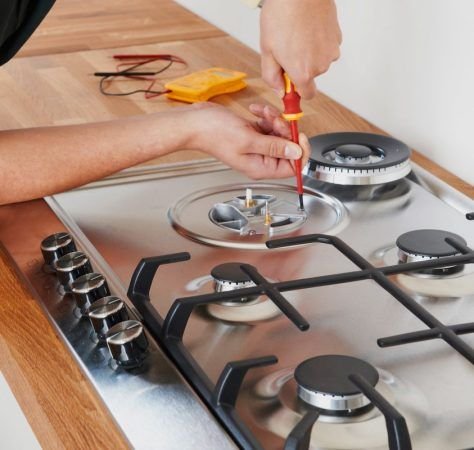
Turn off the gas supply. Locate the small ceramic piece near the burner—it’s usually white with a metal tip. Gently clean it with a dry cloth or a soft brush. If there’s stubborn residue, a bit of rubbing alcohol can help.
make sure:
The electrode is positioned close enough to the burner for a proper spark. If it’s bent away, carefully adjust it back.
fix 3: solving the no-ignition problem (when nothing happens)
Sometimes, you turn the knob and nothing happens—no click, no flame. Silence.
This could mean an issue with the ignition switch, wiring, or power supply (if it’s an electric ignition stove).
steps to troubleshoot:
Check if the stove is plugged in properly. Try another outlet. If the stove uses batteries for ignition, replace them.
If the ignition still doesn’t respond, the internal switch may need replacement. While this is a slightly advanced repair, many find it manageable with basic tools and careful observation.
fix 4: fixing yellow or orange flames
A healthy gas flame should be blue. Yellow or orange flames indicate incomplete combustion, which can be inefficient and potentially unsafe.
common causes:
Clogged burner ports (again), incorrect air-to-gas ratio, or debris in the burner assembly.
what helps:
After cleaning the burner thoroughly, check the air shutter (if accessible). Adjusting it slightly can improve the air mix. In many modern stoves, this adjustment isn’t user-friendly, so cleaning alone often solves the issue.
a note worth remembering:
Persistent yellow flames may indicate a deeper issue. If cleaning doesn’t fix it, it’s wise to seek professional help.
fix 5: dealing with gas odor (the one you shouldn’t ignore)
If you smell gas when the stove is off, don’t take it lightly. Even a faint odor can signal a leak.
immediate action:
Turn off the gas supply right away. Open windows for ventilation. Do not use electrical switches or create sparks.
checking for leaks:
Mix a bit of dish soap with water and apply it to connections and hoses. If bubbles form, there’s a leak.
solution:
Tighten loose connections. If a hose is cracked or worn, replace it immediately. Gas leaks are not something to postpone.
fix 6: restoring a burner that won’t stay lit
You light the burner, but as soon as you release the knob, the flame goes out. This is often linked to the thermocouple—a safety device that shuts off gas if no flame is detected.
why it happens:
The thermocouple may be dirty, misaligned, or worn out.
quick fix:
Clean the thermocouple gently. It’s usually a small metal rod near the burner. Make sure it’s positioned in the flame path.
if that doesn’t work:
The thermocouple might need replacement. It’s an inexpensive part and often easier to replace than expected.
fix 7: addressing low flame even on high setting
If your stove struggles to produce a strong flame even at maximum setting, the issue might be restricted gas flow.
possible reasons:
Partially closed gas valve, clogged regulator, or debris in the gas line.
what you can try:
Ensure the gas valve is fully open. Clean accessible parts of the burner and check for visible obstructions.
a deeper insight:
Sometimes, the problem isn’t the stove but the gas pressure supply. If multiple appliances show similar issues, the source may be external.
fix 8: fixing knobs that won’t turn or feel stuck
Over time, grease and dirt can accumulate around the control knobs, making them hard to turn.
how to handle it:
Remove the knobs (they usually pull off easily). Clean them with warm soapy water. Use a brush or cloth to clean the exposed valve stems.
important detail:
Avoid forcing stuck knobs. This can damage the internal valve. Gentle cleaning often restores smooth movement.
fix 9: stabilizing a flickering or noisy flame
A flame that flickers excessively or makes noise can be unsettling. It often points to airflow issues or improper burner assembly.
simple checks:
Ensure the burner cap is seated correctly. Misalignment can disrupt the flame pattern.
cleaning again helps:
Yes, it comes back to cleaning. A clean burner allows consistent airflow and stable combustion.
the bigger lesson behind all these fixes
What becomes clear after dealing with these problems is that most gas stove issues are not dramatic failures. They’re gradual buildups—of grease, residue, misalignment, or neglect.
Maintenance isn’t just about preventing problems; it’s about understanding how small changes affect performance.
A few habits that go a long way:
Wipe spills immediately before they harden.
Clean burners regularly, even when they seem fine.
Check for unusual smells or sounds early.
Avoid using excessive water during cleaning.
Gas stoves are durable, but they respond best to attention rather than reaction.
a brief reflection from experience
Many people discover these fixes not from manuals but from necessity. A stove fails during cooking, guests are waiting, and there’s no time to call for help. In those moments, curiosity becomes skill.
You try cleaning something, adjusting something else, and suddenly it works. That small success builds confidence. Over time, what once felt complicated becomes routine.
And perhaps that’s the real takeaway: repair isn’t just about fixing appliances—it’s about learning how things work and realizing you’re capable of solving more than you thought.
frequently asked questions
- why does my gas stove click continuously even after lighting?
Continuous clicking usually means the ignition system is still trying to spark. This can happen due to moisture, dirt on the electrode, or a stuck ignition switch. Cleaning and drying the area often solves the problem.
- is it safe to use a gas stove with yellow flames?
It’s not ideal. Yellow flames indicate incomplete combustion, which can produce carbon monoxide. Clean the burners first, and if the issue persists, have the stove checked.
- how often should i clean my gas stove burners?
A light cleaning every week and a deeper cleaning once a month works well for most households. Frequency may vary depending on usage.
- what should i do if i smell gas but can’t find the source?
Turn off the gas supply immediately, ventilate the area, and avoid creating sparks. If you can’t identify the source, contact a professional right away.
- can i replace stove parts like the thermocouple myself?
Yes, many parts like thermocouples are relatively easy to replace with basic tools. Just ensure the gas supply is turned off before starting.
- why does my burner flame go out when i release the knob?
This is usually due to a faulty or dirty thermocouple. Cleaning or replacing it should fix the issue.
closing thoughts
A gas stove is one of those everyday tools we rarely think about—until it stops working. But behind its simplicity lies a system that responds well to care, observation, and a bit of patience.
You don’t need to fix everything at once. Start small. Clean one burner. Check one connection. Learn one pattern. Over time, these small efforts add up, saving money, reducing frustration, and giving you a sense of control that no quick service call can replace.

