


8 Essential Gas Stove Repair Basics Fixes Every Homeowner Needs
A gas stove has a quiet way of becoming the center of a home. It hums along daily, boils tea in the morning, cooks meals at night, and rarely asks for attention—until something goes wrong. When it does, the inconvenience is immediate. Burners refuse to light, flames look uneven, or a strange smell makes you step back and wonder if it’s time to call a technician.
But not every issue needs outside help. Many common gas stove problems have simple, practical fixes that can be handled at home with a bit of patience and basic awareness. This guide isn’t just a checklist; it’s a hands-on walk through real-world fixes that homeowners can rely on. Along the way, you’ll also find small observations, habits, and preventive tips that often matter just as much as the repair itself.
Understanding your stove before fixing it
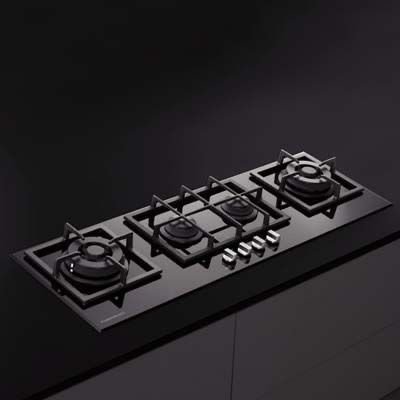
Before jumping into repairs, it helps to understand what you’re working with. A typical gas stove consists of burners, grates, ignition systems (either manual or automatic), gas supply lines, and control knobs. When something goes wrong, the issue usually lies in one of these components.
A helpful habit is to observe your stove when it’s working properly. Notice the flame color, how quickly it ignites, and the sound it makes. These small details become useful references when diagnosing problems later.
Fix 1: Cleaning clogged burner ports
One of the most common reasons a gas stove stops working efficiently is clogged burner ports. Over time, food particles, grease, and dust can block the tiny holes where gas flows out.
Signs of this problem include:
- Uneven flames
- Weak flame on one side
- Yellow or orange flames instead of blue
The fix is straightforward but requires care.
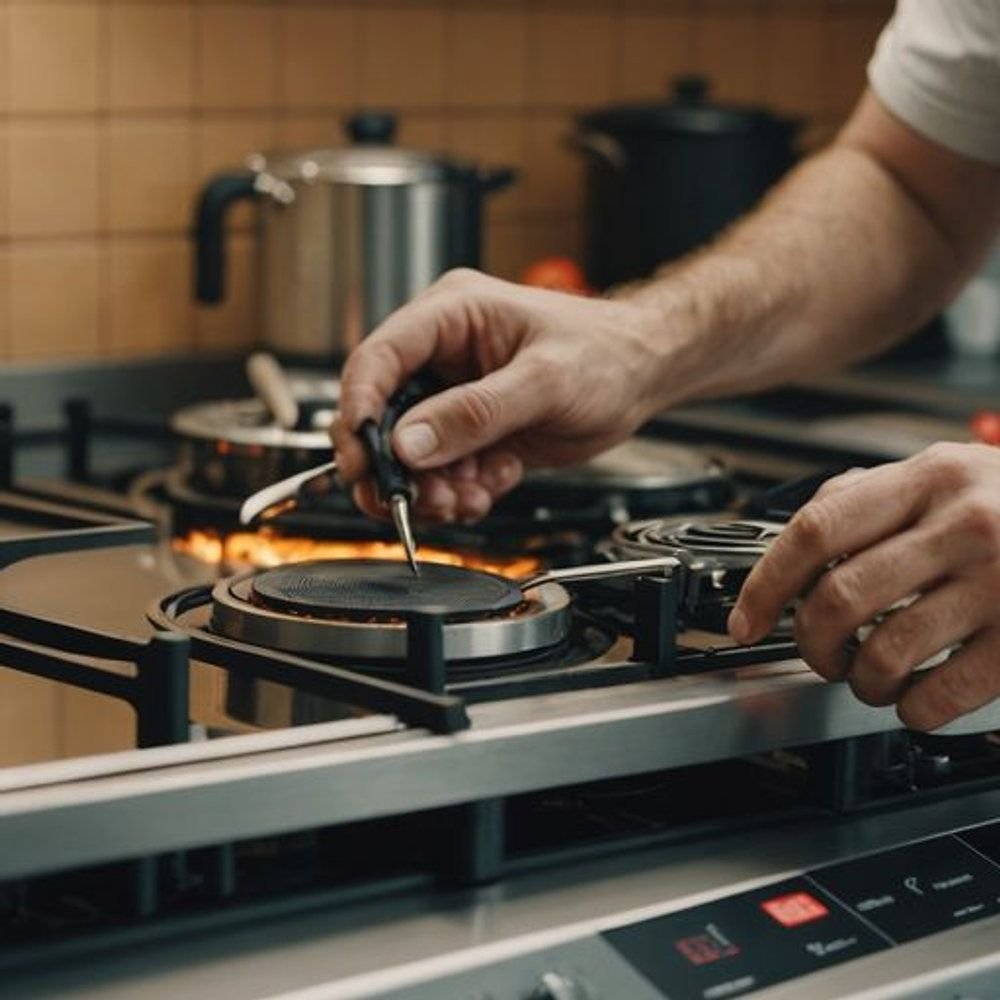
Start by removing the burner cap and head. Use a soft brush or an old toothbrush to clean the surface. For the tiny holes, a pin or needle works well, but avoid widening them. After cleaning, rinse with warm water and let everything dry completely before placing it back.
A small tip that makes a difference: cleaning regularly, even lightly, prevents buildup that becomes harder to remove later.
Fix 2: Ignition problems and spark issues
When you turn the knob and hear clicking but the burner doesn’t light, the ignition system may be struggling. Sometimes it’s not broken—it’s just dirty or slightly misaligned.
Common causes include:
- Moisture around the igniter
- Grease buildup
- Loose burner caps
First, ensure everything is dry. Even a few drops of water can interfere with the spark. Wipe the igniter area carefully. Then check if the burner cap is sitting properly; misalignment can block ignition.
If there’s no clicking sound at all, the issue could be electrical. In that case, checking the power supply or battery (for battery-operated igniters) often solves the problem.
Fix 3: Weak or uneven flame
A weak flame can make cooking frustratingly slow. Sometimes the flame is strong on one burner but weak on another, which points to localized issues rather than a gas supply problem.
Possible reasons:
- Partially blocked burner
- Low gas pressure
- Faulty regulator
After cleaning the burner (as discussed earlier), test the flame again. If the problem persists across multiple burners, the regulator might need adjustment or replacement.
An easy observation trick: a healthy flame is steady and blue. If it flickers or changes color, something is off.
Fix 4: Gas smell and safety response
A gas smell is something you should never ignore. Even a faint odor deserves attention.
Immediate steps:
- Turn off the stove
- Open windows and doors
- Avoid using electrical switches
- Check connections
Often, the smell comes from a loose connection or a knob that wasn’t fully turned off. Tightening fittings carefully can solve the issue.
If the smell persists, it’s best not to experiment further. Safety comes first, and professional help becomes necessary at that point.
Fix 5: Burner won’t stay lit
Sometimes a burner lights up but goes out as soon as you release the knob. This can be particularly frustrating.
The cause is usually related to the thermocouple, a safety device that ensures gas flows only when there’s a flame.
Possible fixes:
- Clean the thermocouple gently
- Hold the knob slightly longer before releasing
- Check for proper flame contact with the sensor
In many cases, dirt prevents the thermocouple from detecting heat properly. A simple cleaning can restore normal function.
Fix 6: Noisy burners
A gas stove isn’t completely silent, but unusual noises—like whistling or popping—can indicate a problem.
Reasons might include:
- Air-gas mixture imbalance
- Loose burner parts
- Blocked ports
Start by ensuring all parts are correctly placed. Clean the burner thoroughly. If the noise continues, adjusting the air shutter (if accessible) can help balance the mixture.
This is one of those fixes where small adjustments can make a noticeable difference.
Fix 7: Stuck or hard-to-turn knobs
Knobs that resist movement can make cooking inconvenient and even unsafe.
Common causes:
- Grease buildup under the knob
- Dirt in the control shaft
- Wear and tear
Remove the knob carefully and clean underneath using a mild cleaner. Avoid using excessive water. Once clean, dry thoroughly before reattaching.
If the knob still feels stiff, the internal valve may need attention, which could require professional servicing.
Fix 8: Low flame even on high setting
When the flame stays low despite turning the knob to high, it can disrupt cooking entirely.
Possible reasons:
- Regulator issues
- Partially closed gas valve
- Internal blockage
Check if the gas valve is fully open. If everything seems fine, the regulator might be limiting the flow. Replacing it is often a simple and effective solution.
A practical habit: periodically checking the regulator ensures consistent performance over time.
Practical maintenance habits that prevent repairs
Repairs become less frequent when maintenance becomes routine. A few simple habits can extend the life of your gas stove significantly:
- Wipe spills immediately to prevent buildup
- Clean burners weekly, even lightly
- Keep the stove dry, especially around ignition points
- Avoid using harsh chemicals that can damage components
- Check connections occasionally for looseness
These small actions often save time, money, and frustration later.
A homeowner’s mindset: observing before fixing
One of the most valuable skills in home repair isn’t technical—it’s observational. Instead of rushing to fix something, take a moment to understand the problem.
Ask yourself:
- When did this issue start?
- Does it happen consistently or occasionally?
- Is it affecting one burner or all?
These questions narrow down the cause and make the fix more effective.
When to stop and call a professional
While many fixes are simple, some situations require expertise. If you notice persistent gas smells, major leaks, or internal component failures, it’s better to step back.
There’s a difference between confident DIY repair and risky guesswork. Knowing that boundary is part of being a responsible homeowner.
The quiet satisfaction of fixing it yourself
There’s something deeply satisfying about fixing a household issue on your own. It’s not just about saving money—it’s about understanding your space better.
A working gas stove becomes more than an appliance. It becomes something you’ve maintained, repaired, and kept running through your own effort.
FAQs
- Why is my gas stove flame orange instead of blue?
An orange or yellow flame usually indicates incomplete combustion, often caused by dirty burners or clogged ports. Cleaning the burner typically resolves the issue. - Is it safe to repair a gas stove at home?
Basic cleaning and minor fixes are generally safe if done carefully. However, anything involving gas leaks or internal components should be handled by professionals. - How often should I clean my gas stove burners?
Light cleaning once a week and deeper cleaning once a month is a good routine for most households. - What should I do if my stove smells like gas?
Turn off the stove immediately, ventilate the area, and check connections. If the smell continues, avoid using the stove and seek professional help. - Why does my burner click but not light?
This is often due to moisture or dirt around the igniter. Cleaning and drying the area usually fixes the problem. - Can a faulty regulator affect all burners?
Yes, the regulator controls gas flow to the entire stove. If it’s malfunctioning, all burners may show weak or inconsistent flames.
By understanding these essentials and applying a bit of care, most gas stove issues become manageable. What once felt like a frustrating breakdown turns into a simple fix—and over time, that confidence grows into a valuable skill every homeowner benefits from.

