


11 Smart Gas Stove Repair Basics Safety Tips That Gave Me Peace of Mind
There is something quietly powerful about knowing your kitchen is safe. Not just “it should be fine” safe, but truly dependable. The kind of safety that lets you walk away from your stove without that nagging thought whispering, “Did I leave something wrong?” I didn’t always feel that way. In fact, my relationship with gas stoves started with a mix of confidence and ignorance — a risky combination.
Over time, through small mistakes, careful learning, and a few uncomfortable close calls, I began to understand that gas stove safety isn’t complicated, but it is deliberate. It’s not about being an expert technician. It’s about building habits that protect you, your home, and everyone in it.
This article isn’t just a list. It’s a collection of lived lessons, observations, and practical actions that transformed how I handle gas stove repairs and maintenance. These 11 safety tips are the ones that genuinely gave me peace of mind — not because someone told me they matter, but because I experienced why they do.
- I stopped underestimating the smell of gas
At first, I treated the smell of gas as something obvious — something I’d notice instantly and react to calmly. Reality isn’t that neat. The smell can be faint, confusing, or easy to ignore if you’re distracted.
The moment I realized how subtle it can be, I changed my approach. Now, even the slightest unfamiliar odor triggers action. I don’t wait. I don’t rationalize.
What helped me most was building a simple response routine:
– Turn off the gas supply immediately
– Open windows and doors
– Avoid using electrical switches
– Step away if the smell persists
This shift wasn’t about fear. It was about respect. Gas leaks don’t always announce themselves loudly, so you have to be willing to listen carefully.
- I learned to shut off the gas before doing anything
This sounds obvious, but it’s one of the most commonly ignored steps. Early on, I would jump straight into checking burners or cleaning parts without turning off the gas supply.
That changed after I realized how quickly a small mistake could escalate. Now, shutting off the gas is my first move — not a suggestion, but a rule.
It creates a controlled environment. It slows you down. It reminds you that you’re not just fixing a kitchen appliance; you’re working with a fuel source.
Once I made this a habit, every repair felt calmer and more manageable.
- I stopped using damaged hoses “just a little longer”
There’s a dangerous mindset many people fall into: “It still works, so it’s fine.”
I used to look at a slightly cracked or worn gas hose and think I could get a few more weeks out of it. That mindset didn’t survive long.
Gas hoses are not the place to save money or time. Even minor wear can lead to leaks that aren’t immediately visible.
Now, I inspect hoses regularly. If I see:
– Cracks
– Loose fittings
– Hard or brittle texture
I replace it. No debate.
This one change alone removed a huge source of hidden risk in my kitchen.

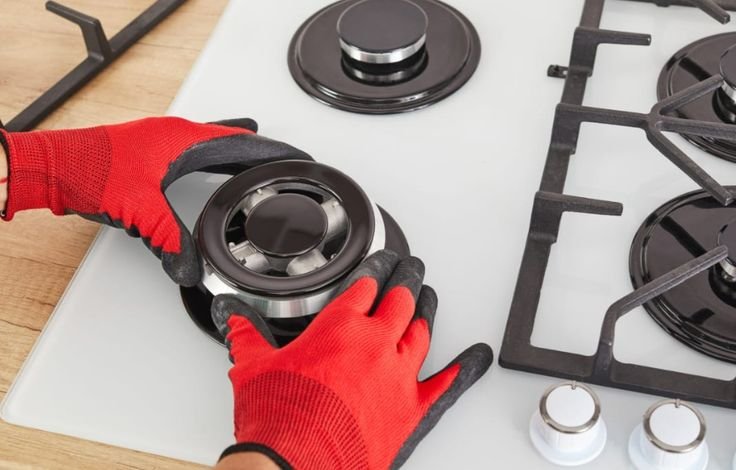
- I made cleaning burners a safety habit, not just a hygiene one
For a long time, I thought cleaning burners was about appearance or cooking efficiency. I didn’t connect it with safety.
Clogged burners can cause uneven flames, delayed ignition, or even gas buildup before ignition. That realization completely changed how I approached maintenance.
Now I clean burners with intention:
– Remove debris and grease buildup
– Ensure flame holes are clear
– Reassemble properly
It’s no longer a chore. It’s part of how I ensure everything burns cleanly and predictably.
- I paid attention to the color of the flame
One of the simplest but most overlooked safety indicators is the flame itself.
A healthy gas flame is blue. That’s something I learned but didn’t initially take seriously. When I started noticing yellow or orange tips, I used to ignore them.
Now I know better.
Flame color tells a story:
– Blue flame = proper combustion
– Yellow/orange flame = incomplete combustion
Incomplete combustion can mean carbon buildup, inefficiency, and in some cases, carbon monoxide risks.
Now, I don’t ignore changes in flame color. I investigate them.
- I stopped forcing parts that don’t fit
There’s a temptation when repairing anything: if it almost fits, maybe you can make it work.
That mindset doesn’t belong anywhere near a gas stove.
Misaligned burners, improperly seated components, or forced fittings can lead to gas leaks or unstable flames.
I learned to slow down and ask:
– Does this part belong here?
– Is it sitting correctly?
– Am I forcing this because I’m impatient?
If something doesn’t fit naturally, I stop and reassess. That patience has saved me from creating problems that didn’t exist before.
- I started checking connections with soapy water
This tip changed everything for me because it’s simple, effective, and accessible.
After reconnecting any gas line or component, I use a basic soapy water solution to check for leaks.
Here’s how I do it:
– Mix water with a little dish soap
– Apply it to connections
– Watch for bubbles
If bubbles form, there’s a leak.
This method gave me confidence. Instead of guessing whether everything was secure, I could actually see it.
- I respected ignition systems more
Modern gas stoves often have automatic ignition systems. They feel convenient, but they’re still part of a gas system and deserve attention.
I used to ignore slow ignition or clicking sounds that seemed “off.” Now I treat those as signals.
If ignition is delayed, it means gas may be accumulating before lighting — not a safe situation.
So now I:
– Clean ignition points
– Check for moisture or grease
– Ensure proper spark function
It’s a small effort that prevents a bigger problem.
- I stopped ignoring unusual sounds
Gas stoves aren’t supposed to make random noises.
Hissing, popping, or irregular sounds used to blend into the background for me. Now they stand out immediately.
Each sound can indicate something:
– Hissing could mean a leak
– Popping might suggest uneven gas flow
– Clicking without ignition points to ignition issues
Instead of tuning them out, I treat them as early warnings.
- I learned when to stop and call a professional
There’s a fine line between basic repair and risky experimentation.
One of the most important lessons I learned was recognizing my limits.
If a problem involves:
– Internal gas valves
– Persistent leaks
– Structural damage
– Complex disassembly
I step back.
Trying to fix everything yourself isn’t smart — it’s risky. Calling a professional isn’t giving up; it’s making a responsible choice.
That mindset alone removed a lot of pressure and uncertainty.
- I created a routine instead of reacting to problems
The biggest shift wasn’t any single tip — it was the transition from reactive to proactive.
Before, I only paid attention when something went wrong. Now, I have a routine:
– Regular visual inspections
– Periodic cleaning
– Checking hoses and connections
– Observing flame behavior
This routine doesn’t take much time, but it builds familiarity. And familiarity makes it easier to notice when something changes.
Peace of mind doesn’t come from hoping nothing breaks. It comes from knowing you’re paying attention.
A different way of thinking about safety
What surprised me most through all of this is how much safety is about mindset.
It’s not about being overly cautious or paranoid. It’s about being aware, intentional, and willing to act early.
Gas stove safety isn’t complicated. The basics are simple. But they only work if you actually follow them consistently.
I didn’t gain peace of mind overnight. It came from small, repeated actions that slowly built confidence.
And the best part? Anyone can do the same.
Frequently Asked Questions
- How often should I check my gas stove for safety issues?
A quick visual check can be done weekly, while a more detailed inspection (hoses, connections, burners) should be done at least once a month. - What should I do immediately if I smell gas?
Turn off the gas supply, open windows and doors, avoid using electrical switches, and leave the area if the smell is strong or persistent. - Is it safe to repair a gas stove myself?
Basic maintenance and minor repairs are fine if you know what you’re doing, but anything involving internal components or persistent issues should be handled by a professional. - Why is my gas stove flame yellow instead of blue?
A yellow flame usually indicates incomplete combustion, which could be caused by clogged burners or improper air-to-gas ratio. - Can a damaged gas hose really be dangerous?
Yes, even small cracks or wear can lead to leaks, which can become hazardous quickly if not addressed. - What’s the easiest way to check for gas leaks at home?
Using a soapy water solution on connections is a simple and effective method — bubbles will form if there’s a leak.
In the end, these safety habits didn’t just make my kitchen safer — they changed how I approach everyday responsibilities. There’s a quiet confidence that comes from knowing you’ve taken the right precautions.
And that peace of mind? It’s worth every bit of effort.

