

6 Essential Gas Stove Repair Basics Maintenance Tricks You Need
There is something quietly dependable about a gas stove. It doesn’t ask for much attention when it’s working well, yet it becomes the center of frustration the moment a burner won’t light or a flame flickers unevenly. Most people assume that gas stove problems require a technician, expensive parts, or even replacement. In reality, a large number of common issues can be prevented—or even fixed—through simple maintenance habits and a bit of practical awareness.
This isn’t just about fixing problems after they show up. It’s about understanding how your stove behaves, what small warning signs look like, and how to respond before things get worse. Think of it as learning the language of your stove. Once you do, you’ll notice that it communicates quite clearly.
Below are six essential maintenance tricks that go beyond surface-level cleaning. These are habits, observations, and small repair basics that can keep your gas stove efficient, safe, and reliable for years.
trick 1: understanding flame behavior and what it tells you
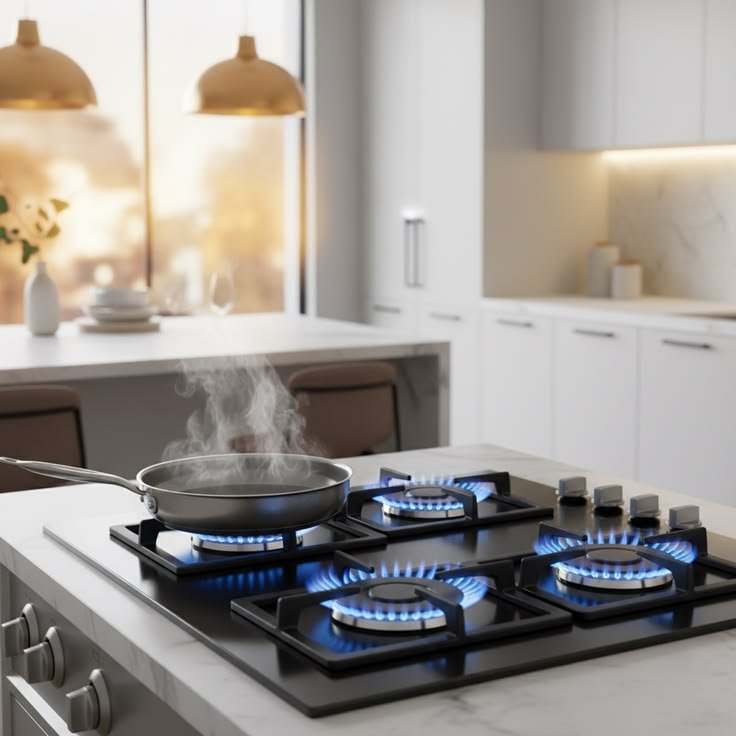
The flame on your gas stove is more than just heat—it’s a diagnostic tool. A healthy flame should be steady and blue, with a slight inner cone. When it starts turning yellow, orange, or becomes uneven, it’s not just cosmetic—it’s a sign something is off.
A yellow or orange flame often indicates incomplete combustion. This can be caused by dirt in the burner ports, clogged air shutters, or even improper gas flow. Many people ignore this change, assuming it’s harmless. But over time, it can lead to soot buildup, inefficient heating, and even safety concerns like carbon monoxide.
One practical habit is to observe the flame every time you cook. It takes only a second, but it can alert you early. If you notice uneven flames—some parts stronger than others—it usually means the burner holes are blocked.
To address this, turn off the stove, allow it to cool, and remove the burner cap. Use a soft brush or a toothpick (never a metal pin that can widen holes) to gently clear debris from each port. You’ll often find grease, food particles, or dust clogging them.
Another overlooked factor is airflow. Gas stoves mix air and fuel to produce a proper flame. If the air shutter is partially blocked or misaligned, the flame quality changes. While adjusting the air shutter may sound technical, many stoves allow simple access underneath the burner assembly.
By treating the flame as feedback rather than background, you can catch issues early and maintain optimal performance.
trick 2: keeping ignition systems clean and responsive
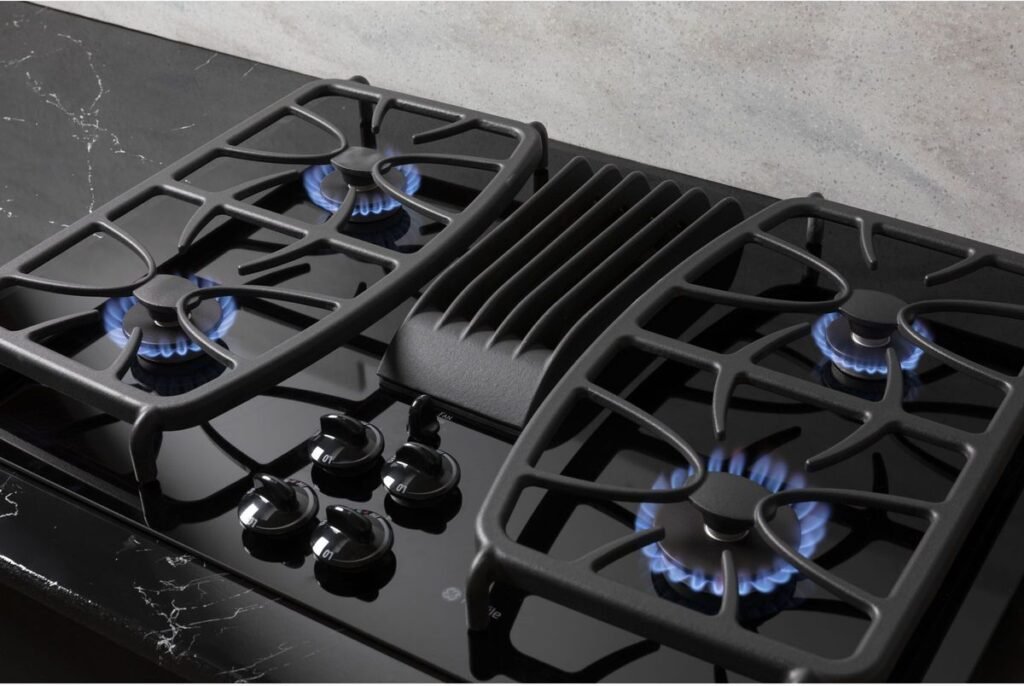
The clicking sound of a gas stove igniter is something we take for granted—until it stops. Suddenly, lighting a burner becomes a hassle, requiring matches or repeated attempts. In many cases, the problem isn’t a broken igniter but a dirty one.
Ignition systems are sensitive. Even a small layer of grease or moisture can prevent the spark from jumping correctly. Over time, cooking spills, steam, and cleaning residues accumulate around the igniter electrode.
A simple routine can prevent this. After cleaning your stove surface, take a moment to wipe around the igniter with a dry cloth. If you notice stubborn grime, use a slightly damp cloth, but ensure everything is completely dry before using the stove again.
If the igniter clicks but doesn’t spark effectively, inspect the gap between the electrode and the burner. This gap must be clear and properly aligned. If food debris is lodged there, the spark may not reach the gas.
Sometimes, the issue isn’t dirt but moisture. After deep cleaning, igniters often fail temporarily because water seeps into the components. In such cases, patience helps. Allow the stove to air dry fully, or use a fan to speed up the process.
For stoves with battery-powered ignition systems, don’t forget the simplest check—replace the battery. It’s surprising how often this is overlooked.
By keeping the ignition system clean and dry, you ensure reliable startup and avoid unnecessary frustration.
trick 3: managing burner caps and grates with care
Burner caps and grates may seem like rugged, low-maintenance parts, but their positioning and cleanliness directly affect performance. Misaligned caps can cause uneven flames, while dirty grates can lead to unstable cookware and inefficient heating.
After cleaning, always double-check that burner caps are seated properly. They should sit flat and stable. If they wobble or tilt, the flame distribution will be affected. This can result in hotspots or weak flames, making cooking inconsistent.
Grates, on the other hand, endure constant exposure to heat and spills. Over time, grease builds up, hardens, and creates a sticky surface. This not only looks unpleasant but also affects heat transfer and stability.
Instead of occasional heavy scrubbing, adopt a lighter but more frequent cleaning routine. After cooking, once the stove has cooled, wipe down the grates with a damp cloth. For deeper cleaning, soak them in warm soapy water and use a non-abrasive scrubber.
Avoid harsh chemicals that can damage the finish or leave residues. A mixture of baking soda and water often works well for stubborn stains.
Another practical tip is to rotate grates occasionally if your stove design allows it. This ensures even wear and prevents one section from deteriorating faster than others.
Taking care of these components may seem minor, but it significantly improves both performance and longevity.
trick 4: checking gas flow and connections safely
Gas flow is the lifeline of your stove, yet it’s often ignored until something goes wrong. While major gas line work should always be handled by professionals, there are basic checks you can perform safely.
First, pay attention to the smell of gas. A faint smell when lighting a burner is normal, but a persistent odor is not. If you ever suspect a leak, turn off the gas supply immediately and ventilate the area.
For routine checks, inspect visible connections, such as the hose linking your stove to the gas supply. Look for cracks, wear, or loose fittings. If you notice anything unusual, avoid using the stove until it’s inspected.
One simple method to check for leaks is using a soap solution. Apply a mixture of soap and water to the connection points and observe for bubbles when the gas is on (without lighting the burner). Bubbles indicate a leak. This should be done carefully and only if you’re comfortable with the process.
Another aspect of gas flow is pressure consistency. If all burners suddenly become weak or fail to maintain a steady flame, it could be a supply issue rather than a stove problem. In such cases, check other gas appliances in your home to see if they are affected.
Keeping an eye on gas flow ensures not just performance but also safety, which is the most critical aspect of any gas appliance.
trick 5: deep cleaning beyond the surface
Most people clean their gas stove regularly—but only on the surface. Wiping the top and removing visible spills is good, but it doesn’t address what lies beneath.
Over time, grease and debris accumulate under burner assemblies, around internal components, and in areas you don’t see daily. This buildup can affect airflow, ignition, and even cause unpleasant odors.
A periodic deep cleaning routine can make a big difference. Start by removing burner caps, grates, and any detachable parts. Clean them thoroughly as described earlier.
Next, carefully lift the stove top if your model allows it. This reveals the inner area where spills often collect unnoticed. Use a cloth or a soft brush to remove debris. Avoid using excessive water, as it can damage internal components.
Pay special attention to the area around the burners and ignition system. These are the most sensitive parts and benefit greatly from occasional deep cleaning.
One useful habit is to schedule this deeper cleaning once a month. It doesn’t take long, but it prevents long-term buildup that can lead to more serious issues.
Think of it as resetting your stove to a cleaner, more efficient state.
trick 6: developing a routine maintenance mindset
The most powerful trick isn’t a specific action—it’s a mindset. Gas stove maintenance isn’t about reacting to problems; it’s about preventing them through consistent, simple habits.
Start by building small routines into your daily and weekly schedule. Wipe the stove after each use. Check the flame briefly when you turn on a burner. Clean components regularly rather than waiting for visible buildup.
Listen to your stove as well. Unusual sounds, delayed ignition, or changes in flame behavior are all signals. Addressing them early is always easier than dealing with a full breakdown.
Keep basic tools and cleaning supplies handy—a soft brush, a cloth, mild detergent, and perhaps a toothpick for clearing burner ports. Having these within reach makes maintenance feel less like a chore.
Another aspect of this mindset is knowing your limits. While many issues can be handled at home, some require professional attention. Recognizing when to call an expert is part of responsible maintenance.
Over time, these habits become second nature. You won’t think of them as maintenance tasks but as part of your normal kitchen routine.

a practical checklist you can follow
To make things even simpler, here’s a quick checklist you can refer to:
– observe flame color and shape daily
– wipe the stove surface after cooking
– clean burner caps and grates weekly
– check igniters for dirt or moisture
– inspect gas connections monthly
– perform deep cleaning once a month
This checklist isn’t rigid. Adjust it based on how often you use your stove and the kind of cooking you do.
real-life scenarios and how these tricks help
Imagine you’re preparing dinner, and one burner suddenly produces a weak, uneven flame. Instead of assuming the stove is faulty, you recall the importance of burner cleanliness. A quick check reveals clogged ports. After a simple cleaning, the flame returns to normal.
Or consider the frustration of a burner that won’t ignite. Before calling for repairs, you inspect the igniter and find it covered in grease. A gentle cleaning restores its function.
These small interventions save time, money, and stress. They also build confidence in handling minor issues on your own.
common mistakes to avoid
While focusing on maintenance, it’s equally important to avoid certain mistakes:
– using sharp objects to clean burner holes, which can damage them
– overusing water during cleaning, leading to moisture-related issues
– ignoring early warning signs like color changes in flames
– reassembling parts incorrectly after cleaning
– neglecting regular maintenance until problems become severe
Being aware of these pitfalls helps you maintain your stove more effectively.
why these tricks matter in the long run
A well-maintained gas stove doesn’t just perform better—it lasts longer. It uses fuel more efficiently, heats food evenly, and reduces the risk of unexpected breakdowns.
From a financial perspective, regular maintenance minimizes repair costs and delays the need for replacement. From a safety perspective, it reduces risks associated with gas leaks and incomplete combustion.
In many ways, these small efforts create a ripple effect, improving your overall cooking experience.
frequently asked questions
- how often should I clean my gas stove burners
It depends on usage, but a light cleaning once a week and a deeper cleaning once a month is a good routine for most households. - why is my gas stove flame orange instead of blue
An orange flame usually indicates incomplete combustion, often caused by dirty burners or improper airflow. Cleaning the burner ports typically resolves this. - what should I do if my igniter keeps clicking but doesn’t light
Check for dirt or moisture around the igniter. Clean and dry the area thoroughly. If the problem persists, the igniter may need replacement. - is it safe to check for gas leaks at home
Basic checks using a soap solution can be done carefully, but if you suspect a serious leak, turn off the gas supply and contact a professional immediately. - can I use any cleaning product on my gas stove
It’s best to use mild detergents or natural cleaners like baking soda. Harsh chemicals can damage components and leave harmful residues. - when should I call a professional for gas stove repair
If you notice persistent gas smells, major ignition failures, or issues with gas flow that you cannot identify, it’s safer to consult a qualified technician.
In the end, maintaining a gas stove isn’t about mastering complex repairs. It’s about paying attention, staying consistent, and understanding the small details that make a big difference. With these six essential tricks, you can keep your stove running smoothly and avoid many of the common problems that disrupt everyday cooking.

