


6 Easy Gas Stove Repair Basics Care Tricks That Made a Big Difference
A gas stove sits quietly in the heart of the kitchen, doing its job day after day without much appreciation. Until something goes wrong. A weak flame, a clicking sound that won’t stop, uneven cooking, or that faint smell of gas—these small issues quickly turn into frustration. The good news is that many of these problems don’t require a technician. With a little patience, basic awareness, and the right approach, you can fix and maintain your gas stove in ways that truly make a difference.
This guide isn’t just a collection of tips. It’s a practical, experience-driven walkthrough filled with small observations, real-life fixes, and habits that prevent problems before they begin. These six simple tricks may seem basic, but together they can extend the life of your stove, improve safety, and save money.
trick 1: keeping burners clean is half the battle won
It’s surprising how many gas stove issues come down to something as simple as dirt. Over time, food spills, oil splashes, and dust particles clog burner holes. This affects how gas flows and burns.
You might notice:
- Uneven flames (some sides stronger than others)
- Yellow or orange flames instead of blue
- Difficulty igniting
Cleaning the burners properly is not just about wiping the surface. It’s about paying attention to the tiny holes where the flame comes out.
Start by removing the burner caps and heads. Soak them in warm water mixed with dish soap. Let them sit for 15–20 minutes. This softens hardened grease and food residue.
Use a soft brush or an old toothbrush to scrub the surfaces gently. For clogged holes, a thin pin or needle works well. Don’t force anything—just gently clear the blockage.
Dry everything completely before putting it back. Even a little moisture can affect ignition.
A small routine helps:
- Quick wipe after every cooking session
- Deep clean once a week
- Monthly inspection for stubborn clogs
This simple habit alone can solve many “mysterious” stove problems.
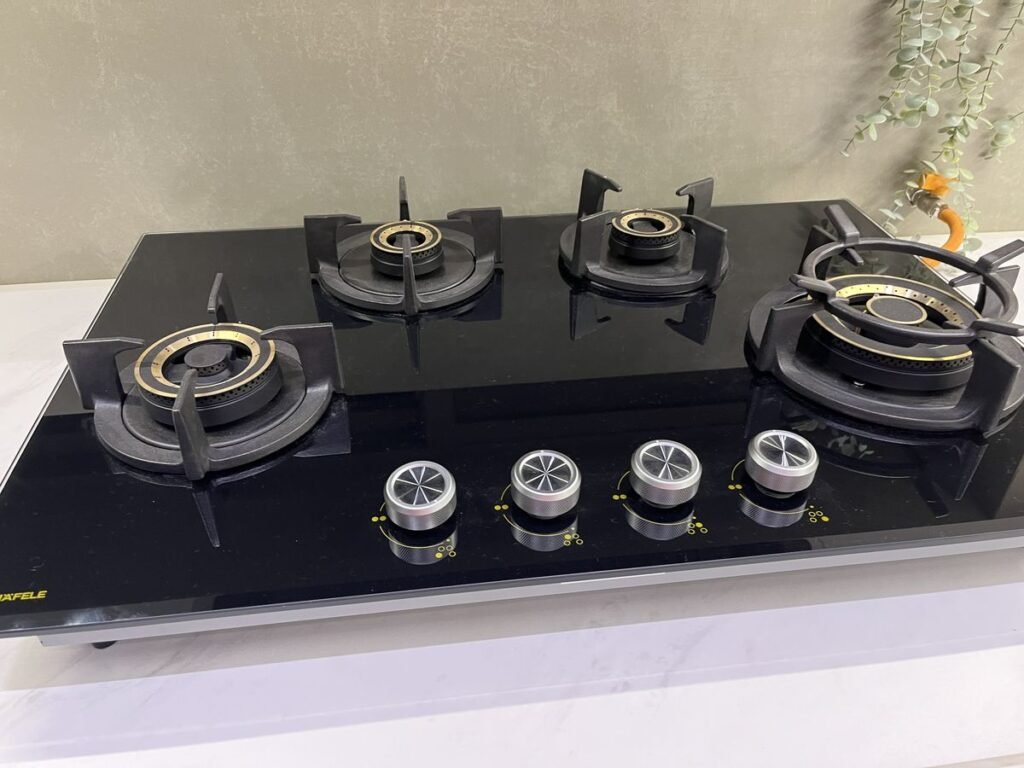
trick 2: understanding flame color and what it tells you
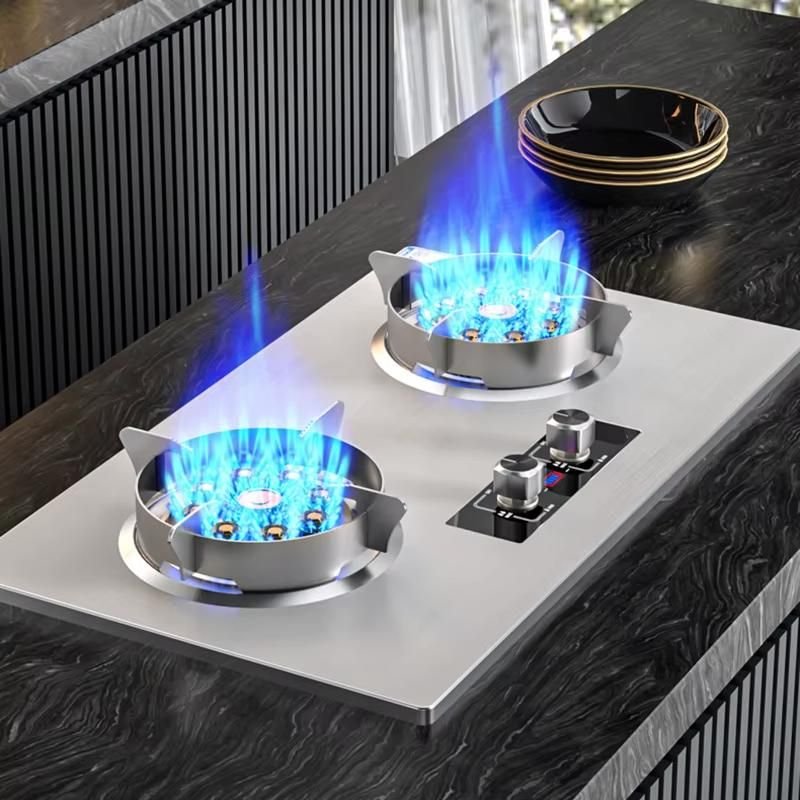
A healthy gas flame should be steady and blue. If it’s not, your stove is already telling you something is off.
Blue flame means:
- Proper gas-to-air mixture
- Efficient combustion
- Safer operation
Yellow or orange flame indicates:
- Incomplete burning
- Possible blockage in burners
- Dust or grease interfering with airflow
If you see a flickering flame or hear a popping sound, it may also mean uneven gas distribution.
Instead of ignoring it, take a moment to observe. Turn on the burner and watch closely. Is the flame symmetrical? Is it stable?
If the color is off:
- Clean the burner thoroughly
- Check if the burner cap is placed correctly
- Ensure there is no moisture
Sometimes the fix is as simple as repositioning the burner cap properly. A slight misalignment can disrupt airflow.
By learning to “read” your stove, you catch problems early—before they become serious.
trick 3: fixing ignition issues without panic
One of the most common complaints is a stove that won’t ignite. You turn the knob, hear clicking, but no flame. Or worse, no clicking at all.
Before assuming something major is broken, go step by step.
First, check if the stove is getting gas. Try lighting it manually with a match or lighter. If it lights, the issue is likely with the ignition system.
Common causes include:
- Food debris blocking the igniter
- Moisture from recent cleaning
- Loose connections
Clean the igniter area gently. Use a dry cloth or brush. Avoid water directly on it.
If the clicking sound is absent:
- Check power supply (for electric ignition models)
- Ensure plugs are properly connected
If clicking continues endlessly:
- The igniter switch may be stuck due to grease
- Cleaning around the knobs can often fix this
A practical habit is to keep the ignition area dry at all times. Even small water drops can interfere with the spark.
trick 4: maintaining gas connections and preventing leaks
Gas safety is not something to take lightly. While repairs can be simple, awareness is critical.
A faint smell of gas is a warning sign you should never ignore.
Basic checks you can do:
- Inspect the gas hose regularly for cracks or wear
- Ensure connections are tight
- Listen for hissing sounds when the stove is off
A simple soap test works well. Mix soap with water and apply it to the gas connection. If bubbles form, there is a leak.
If you suspect a leak:
- Turn off the gas supply immediately
- Avoid using electrical switches
- Open windows for ventilation
Regular maintenance prevents these situations. Replace old hoses on time. Avoid bending or twisting them unnecessarily.
It’s also a good idea to keep the area behind the stove clean and visible. Hidden problems often grow unnoticed.
trick 5: leveling your stove for even cooking
This is one of the most overlooked factors. A stove that isn’t level affects cooking more than you think.
You might notice:
- Oil collecting on one side of the pan
- Uneven cooking
- Flame appearing stronger on one side
Check if your stove sits flat on the surface. Most stoves have adjustable legs. A small adjustment can fix the balance.
Place a flat pan with a little water on the burner. If the water tilts to one side, the stove needs leveling.
Why this matters:
- Heat distribution improves
- Cooking becomes more consistent
- Burners work more efficiently
It’s a simple fix that often brings noticeable results immediately.
trick 6: building a routine instead of reacting to problems
The biggest difference doesn’t come from a single repair. It comes from consistency.
Instead of waiting for something to go wrong, build a small routine:
- Daily wipe-down after cooking
- Weekly deep cleaning of burners
- Monthly inspection of gas connections
- Occasional check of flame quality
Think of it like maintaining a car. Small efforts prevent big breakdowns.
A simple checklist can help:
- Are burners clean?
- Is the flame blue?
- Is ignition working smoothly?
- Any unusual smells?
When you make this a habit, your stove stays reliable without much effort.
practical kitchen scenarios and quick fixes
Sometimes problems show up in unexpected ways. Here are a few real-life situations and how simple fixes make a difference.
case 1: flame keeps going out
Possible cause:
- Blocked burner holes
- Airflow disturbance
Solution:
Clean the burner thoroughly and ensure proper placement.
case 2: clicking sound even when stove is off
Possible cause:
- Moisture or grease in ignition switch
Solution:
Dry the area and clean around knobs carefully.
case 3: food takes longer to cook
Possible cause:
- Weak flame due to partial blockage
Solution:
Inspect burner holes and clean them.
case 4: uneven cooking in pan
Possible cause:
- Stove not level
Solution:
Adjust the stove legs.
case 5: strong gas smell occasionally
Possible cause:
- Loose connection or minor leak
Solution:
Check connections and perform soap test.
These small fixes often solve problems that seem bigger than they are.
tools you should keep handy
You don’t need a toolbox full of expensive equipment. A few simple items are enough:
- Old toothbrush
- Soft cloth
- Needle or pin
- Mild dish soap
- Small wrench (for connections)
- Matchstick or lighter
Having these ready makes maintenance quick and easy.
common mistakes people make
Sometimes the issue isn’t what you do—but what you do wrong.
Avoid these mistakes:
- Using too much water while cleaning
- Ignoring early warning signs
- Forcing parts into place
- Delaying basic maintenance
- Using sharp objects aggressively on burners
Gentle care goes a long way.
the difference these tricks make over time
Individually, these tricks may seem small. But together, they transform how your stove performs.
You’ll notice:
- Faster cooking times
- Consistent flame quality
- Fewer repairs needed
- Improved safety
- Less frustration in daily use
It’s not about technical expertise. It’s about awareness and small habits.
A well-maintained stove doesn’t just work better—it feels reliable. And that reliability matters in everyday life.
frequently asked questions (FAQs)
- why is my gas stove flame yellow instead of blue?
A yellow flame usually means incomplete combustion. This often happens بسبب clogged burner holes or improper air mixing. Cleaning the burner and ensuring proper placement usually fixes the issue. - how often should i clean my gas stove burners?
Light cleaning should be done daily after use, while a deeper cleaning is recommended once a week. Regular cleaning prevents buildup and keeps the flame consistent. - what should i do if my stove won’t ignite?
First, check if gas is flowing by lighting it manually. If it works, clean the igniter and ensure it’s dry. Also check the power supply if your stove uses electric ignition. - how can i check for a gas leak safely?
Use a soap and water solution on the gas connection. If bubbles appear, there’s a leak. Turn off the gas immediately and fix the connection before using the stove again. - is it safe to repair a gas stove myself?
Basic maintenance like cleaning burners and checking connections is safe if done carefully. However, for major issues or persistent gas leaks, professional help is recommended. - why does my stove make a clicking sound continuously?
This often happens بسبب moisture or grease around the ignition switch. Cleaning and drying the area usually stops the clicking.
A gas stove doesn’t demand much, but it rewards attention. With these simple care tricks, you move from reacting to problems to preventing them altogether. Over time, that shift makes all the difference.

