


10 fast gas stove repair basics maintenance tips for busy homes
In a busy home, the kitchen rarely gets a break. Between early morning tea, rushed breakfasts, midday meals, and late-night snacks, the gas stove quietly carries the weight of daily life. It is one of those things you only notice when it stops working properly—when the flame turns uneven, the ignition refuses to click, or a faint smell of gas makes you pause mid-task.
Most people assume gas stove repair is complicated, expensive, or risky. But the truth is simpler: a large number of common issues can be prevented—or even fixed—through basic maintenance habits that take just a few minutes. The goal is not to turn you into a technician but to help you understand your appliance better, so small problems don’t grow into bigger ones.
This guide walks through ten practical, fast, and realistic maintenance tips designed specifically for busy households. Each one is rooted in everyday experience, not theory. Think of it as a collection of small habits that, when combined, make your stove safer, more efficient, and longer-lasting.
- keep the burner heads clean and dry
If there is one habit that solves more stove problems than anything else, it is cleaning the burner heads regularly. Over time, food particles, oil, and moisture build up in the tiny holes where gas flows out. This affects the flame pattern, often causing uneven heating or weak flames.
You don’t need to deep-clean every day. A quick routine works well:
– Once the stove cools down, remove the burner caps.
– Wipe them with a dry cloth.
– If there’s stubborn grease, use warm soapy water and dry completely before placing them back.
Moisture is just as harmful as dirt. Even a small amount of water trapped in the burner holes can block gas flow temporarily. If you notice a delayed ignition or a popping sound, dampness could be the reason.
A simple rule many experienced cooks follow: never put burners back unless they are completely dry.
- check the flame color regularly
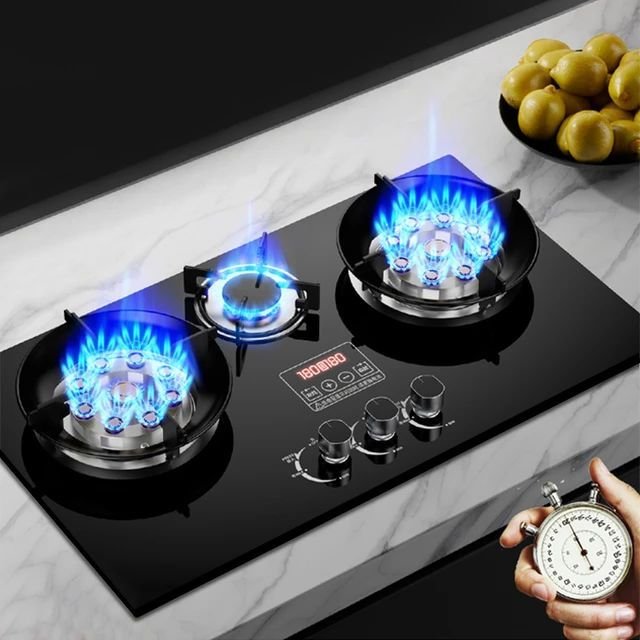
A healthy gas flame is usually blue. That steady blue flame indicates proper combustion and efficient fuel use. When the flame turns yellow or orange, something is off.
This small visual cue can tell you a lot:
– Blue flame: everything is working correctly.
– Yellow/orange flame: incomplete combustion, often due to dirt, blocked ports, or improper air-gas mix.
– Flickering flame: possible airflow issues or loose burner placement.
If you see a color change, don’t ignore it. Often, cleaning the burner head solves the problem. In some cases, adjusting the air shutter (if accessible) helps restore the correct mix.
For busy homes, this tip is powerful because it requires no time—just awareness. Every time you turn on the stove, take a second to observe the flame.
- don’t ignore slow ignition
A stove that takes a few seconds longer to ignite might seem harmless, but it is usually the first sign of a developing issue. Over time, this delay can turn into complete ignition failure.
Common reasons include:
– dirt blocking the burner holes
– moisture near the ignition point
– a worn-out igniter
– weak spark due to loose connections
If your stove uses auto-ignition, you might hear repeated clicking before the flame appears. That’s your signal to act.
A quick fix often works:
– clean the ignition area gently with a dry brush
– ensure no grease is covering the electrode
– keep the area dry
Addressing this early saves you from the frustration of a non-working burner when you’re in a rush.
- wipe spills immediately, not later
In a busy kitchen, spills are inevitable. Milk boils over, curry splashes, oil drips—these things happen. The mistake most people make is postponing cleanup.
When spills are left unattended, they harden and seep into burner openings, gas pathways, and even under the stove surface. This leads to:
– clogged burners
– unpleasant odors
– reduced efficiency
– potential corrosion over time
A simple habit makes all the difference:
– as soon as cooking is done and the surface cools slightly, wipe spills with a damp cloth
– follow with a dry cloth to remove moisture
It takes less than a minute but prevents hours of cleaning later.
- inspect gas connections periodically
Safety should always come first. Gas connections are not something to check only when there’s a problem. A quick inspection every few weeks can prevent serious risks.
Look at:
– the rubber hose or pipe
– the regulator
– connection points
Things to watch for:
– cracks or brittleness in the hose
– loose fittings
– unusual smell of gas
A practical method many households use is the soap test:
– mix soap with water
– apply it to the connection area
– turn on the gas slightly
– if bubbles form, there is a leak
If you detect anything unusual, don’t attempt complex fixes yourself. Turn off the gas supply and seek professional help.
- keep the ignition system clean
Modern gas stoves often come with automatic ignition systems. While convenient, they are sensitive to dirt and grease.
The ignition electrode is usually a small ceramic piece near the burner. When covered in grime, it struggles to produce a spark.
Cleaning it is simple:
– ensure the stove is off and cool
– use a dry toothbrush or soft cloth
– gently clean around the electrode
Avoid using water directly on this part. Moisture can temporarily disable the spark.
For busy homes, this is a quick weekend task that prevents daily frustration.
- ensure proper burner alignment
Sometimes the problem isn’t dirt or damage—it’s misalignment. Burner caps that are not placed correctly can cause uneven flames, noise, or ignition issues.
This often happens after cleaning when parts are put back quickly.
To fix it:
– remove the burner cap
– place it back carefully, ensuring it sits flat
– check that it doesn’t wobble
A properly aligned burner produces a consistent, circular flame. If the flame looks uneven or only appears on one side, alignment is likely the issue.
This is one of the fastest fixes on the list—taking just a few seconds.
- use the right cookware size
This might not seem like a repair tip, but it directly affects stove performance. Using oversized or undersized cookware can impact flame efficiency and burner health.
For example:
– a very large pan on a small burner traps heat and can damage components over time
– a tiny pot on a large burner wastes gas and creates uneven heating
Matching cookware to burner size ensures:
– better cooking results
– reduced strain on the stove
– improved fuel efficiency
In a busy home, this also saves time—food cooks more evenly and predictably.
- clean the drip trays and stove surface weekly
Even if you wipe spills daily, deeper cleaning is still necessary. Drip trays and the stove surface collect hidden grease and debris over time.
A weekly routine works well:
– remove drip trays
– soak them in warm soapy water
– scrub gently if needed
– dry completely before placing them back
The stove surface can be cleaned with a mild cleaner and soft cloth.
This not only improves hygiene but also prevents long-term buildup that can affect performance.
- listen to your stove
This might sound unusual, but experienced users often rely on sound as an early warning system. A gas stove has its own rhythm:
– a steady whoosh when the flame is stable
– a clear click for ignition
Changes in sound can indicate issues:
– clicking without ignition
– popping noises
– irregular flame sounds
When something sounds different, take a moment to check. Often, it’s a minor issue like dirt or misalignment.
In a busy home, this habit requires no extra time—just awareness.
bringing it all together
Maintaining a gas stove doesn’t require special tools or technical expertise. It’s about consistency. Small actions, done regularly, prevent most common problems.
Think of it this way: each tip in this guide takes only a minute or two. But together, they:
– extend the life of your stove
– improve safety
– reduce repair costs
– make daily cooking smoother
A well-maintained stove doesn’t just work better—it gives you peace of mind.
faqs
- how often should i clean my gas stove burners?
Light cleaning should be done every few days, especially if you cook frequently. A deeper clean once a week is usually enough to keep burners in good condition.
- why is my gas stove flame turning yellow?
A yellow flame usually means incomplete combustion. This is often caused by dirt or blocked burner holes. Cleaning the burners typically solves the issue.
- is it safe to fix a gas stove myself?
Basic maintenance like cleaning and checking alignment is safe. However, anything involving gas leaks, internal components, or major repairs should be handled by a professional.
- what should i do if i smell gas near my stove?
Turn off the gas supply immediately. Do not use electrical switches or flames. Ventilate the area and contact a professional technician or gas provider.
- why does my stove make a clicking sound but not ignite?
This is usually due to dirt or moisture around the ignition electrode. Cleaning and drying the area often restores normal function.
- how can i make my gas stove last longer?
Regular cleaning, proper use, and periodic inspection are key. Avoid spills buildup, use suitable cookware, and address small issues early before they become major problems.
By turning these simple tips into habits, even the busiest household can keep their gas stove running smoothly without stress or unexpected breakdowns.

