
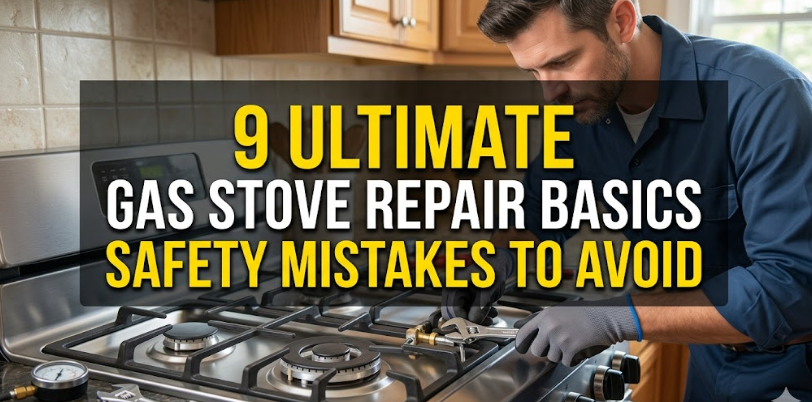
9 Ultimate Gas Stove Repair Basics Safety Mistakes to Avoid
There is something oddly comforting about the familiar click of a gas stove igniting, the gentle blue flame appearing as if it has always belonged there. For many households, especially in busy kitchens, a gas stove is less of an appliance and more of a daily companion. Yet, behind that simplicity lies a system that demands respect. Gas, after all, is both incredibly useful and potentially dangerous. Most accidents don’t happen because people don’t care — they happen because people assume things are “probably fine.”
This article isn’t just about fixing a stove. It’s about the small decisions people make without thinking, the shortcuts taken during rushed mornings, and the misunderstandings that quietly build up over time. These are the moments where safety slips. By understanding the most common mistakes people make during gas stove repair and maintenance, you can avoid turning a minor issue into a serious hazard.
Let’s walk through the nine ultimate mistakes — not in a dry checklist, but in a way that mirrors real-life situations you might recognize.
Mistake 1: Ignoring the smell of gas, even briefly
It’s surprising how often people second-guess their own senses. You walk into the kitchen, catch a faint whiff of gas, and then convince yourself it’s nothing — maybe it’s coming from outside, maybe it’s just your imagination.
This hesitation is one of the most dangerous mistakes. Gas leaks rarely announce themselves loudly. Sometimes, they whisper. And those whispers matter.
The problem isn’t just the leak itself — it’s the delay in response. Even a small leak can accumulate in enclosed spaces. A single spark from a switch, a lighter, or even static electricity can be enough to ignite it.
A safer habit is to treat every gas smell as real until proven otherwise. Turn off the gas supply immediately, ventilate the area, and avoid using electrical switches. It’s better to overreact than to regret in silence.
Mistake 2: Attempting repairs without turning off the gas supply
This one often comes from overconfidence. Maybe you’ve fixed small things before — a loose knob, a clogged burner — and nothing went wrong. So the next time, you skip the step of shutting off the main gas valve.
That’s where risk creeps in.
Even if the burner isn’t lit, gas can still be present in the line. Opening components without shutting off the supply can release gas unexpectedly. It’s not always dramatic — sometimes it’s slow and silent, which makes it more dangerous.
A good repair mindset starts with isolation. No matter how small the task seems, always shut off the gas at the main source. It takes seconds and removes a massive layer of risk.

Mistake 3: Using the wrong tools or makeshift equipment
Improvisation has its place in life, but gas appliances are not where you want to experiment. Using pliers instead of the correct wrench, forcing parts into place, or tightening connections without proper fittings can lead to leaks or structural damage.
Gas connections rely on precision. Threads must align correctly. Seals must sit properly. Even a slight mismatch can create tiny gaps that leak gas over time.
It’s tempting to “make it work” with what you have, especially if a repair seems simple. But those shortcuts often lead to repeated problems — or worse, hidden hazards.
Investing in the right tools isn’t about professionalism; it’s about safety. A properly fitted connection is something you don’t notice — and that’s exactly how it should be.
Mistake 4: Overlooking worn-out hoses and connections
Hoses don’t fail dramatically. They age quietly. Over time, rubber becomes brittle, small cracks appear, and flexibility decreases. Yet many people never inspect these parts unless something stops working completely.
The danger is that these worn-out components can leak gas long before they show obvious signs of failure.
A simple habit can make a big difference: occasional visual and physical inspection. Look for cracks, stiffness, or unusual bends. If a hose feels dry or looks damaged, it’s not worth the risk of keeping it.
Replacing a hose is one of the easiest maintenance tasks — and one of the most overlooked.
Mistake 5: Ignoring irregular flame patterns
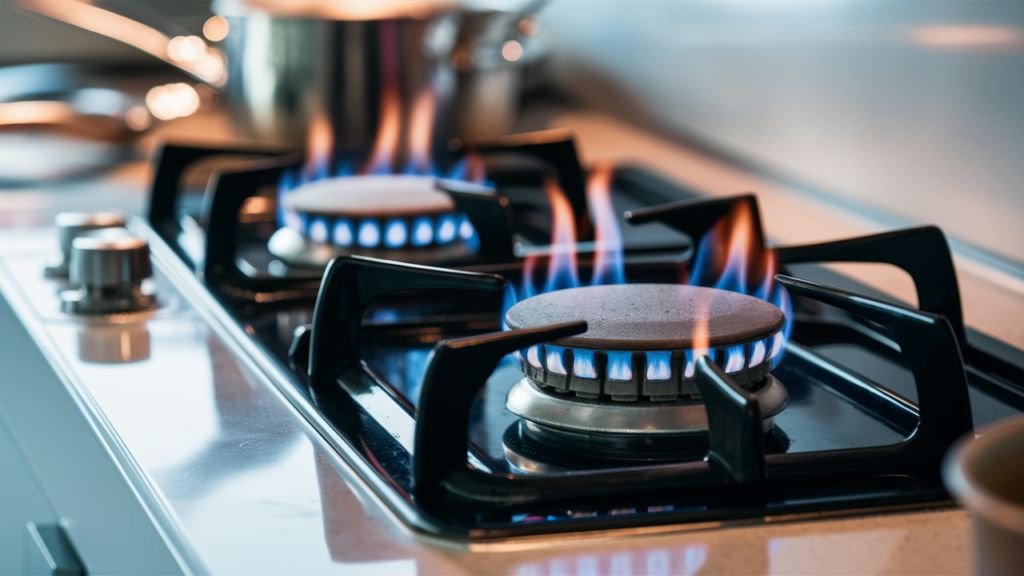
A healthy gas flame is usually blue and steady. When it turns yellow, flickers excessively, or burns unevenly, it’s trying to tell you something.
Many people ignore these signs because the stove “still works.” Food cooks, the flame exists, so it must be fine — right?
Not quite.
Yellow flames often indicate incomplete combustion, which can produce carbon monoxide. This color change can result from clogged burners, improper air-to-gas ratios, or dirt buildup.
Cleaning the burner ports regularly and ensuring proper airflow can restore a clean flame. But more importantly, paying attention to these changes can prevent unseen risks from developing.
Mistake 6: Cleaning burners with water without proper drying
Cleaning is essential, but the way it’s done matters. Some people remove burners, rinse them under water, and reinstall them immediately.
Moisture trapped inside burner components can block gas flow or interfere with ignition. It can also lead to corrosion over time.
The result? Delayed ignition, uneven flames, or even gas buildup before ignition occurs.
After cleaning, burners should be thoroughly dried. Air drying is ideal, but if you’re in a hurry, a clean cloth and some patience can help. The goal is simple: no hidden moisture.
Mistake 7: Ignoring ignition problems
When a stove takes multiple clicks to ignite, many people adapt instead of addressing the issue. They light it manually or wait longer, thinking it’s just a minor inconvenience.
But ignition problems are more than a nuisance. They can allow gas to accumulate before ignition, increasing the risk of flare-ups.
Common causes include dirty igniters, misalignment, or electrical issues. These are usually fixable, but only if addressed early.
A stove should ignite quickly and consistently. Anything less is a sign that something needs attention.
Mistake 8: Tightening connections too much or too little
There’s a fine line between secure and over-tightened. Many people assume tighter is always better, but excessive force can damage threads, crush seals, or distort fittings.
On the other hand, loose connections can leak gas.
The challenge is balance. Connections should be firm but not forced. Using proper tools and understanding the feel of a secure fit comes with experience — but even beginners can follow one simple rule: tighten until snug, then stop.
If you’re unsure, checking with soapy water for leaks is a reliable method. Bubbles indicate escaping gas, making it easy to identify problem areas.
Mistake 9: Skipping professional help when it’s clearly needed
There’s a certain pride in fixing things yourself. It saves money, builds confidence, and feels rewarding. But not every repair is meant to be a DIY project.
Complex issues — like internal valve problems, regulator faults, or persistent leaks — require professional expertise. Ignoring this and attempting advanced repairs without proper knowledge can make things worse.
Knowing when to step back is just as important as knowing how to proceed. A professional technician doesn’t just fix the problem; they ensure the entire system is safe.
The bigger picture: safety is a habit, not a checklist
What ties all these mistakes together is not a lack of knowledge, but a pattern of small assumptions. People assume the smell isn’t serious, the tool is “good enough,” the flame change is temporary, or the delay in ignition is harmless.
Individually, these assumptions seem minor. Together, they create risk.
Safety with gas stoves isn’t about memorizing rules — it’s about building habits. Turning off the gas before repairs, paying attention to small changes, and respecting the system you’re working with.
A well-maintained gas stove doesn’t demand attention. It works quietly, reliably, and safely. And that’s exactly the goal.
Practical safety habits worth adopting daily
Instead of thinking about safety only during repairs, it helps to integrate it into everyday use.
Keep the area around the stove clean and uncluttered. Avoid storing flammable items nearby. Ensure proper ventilation, especially in smaller kitchens.
Make it a habit to observe your stove occasionally. Not in a paranoid way, but with awareness. Does the flame look normal? Is ignition smooth? Is there any unusual smell?
These small observations can catch problems early, long before they become serious.
Another useful habit is periodic maintenance. Even if nothing seems wrong, a quick inspection every few months can reveal hidden wear and tear.
Safety isn’t about fear. It’s about awareness and consistency.
A closing thought
Gas stoves are remarkably efficient and reliable when treated with care. Most of the time, they work so well that we forget the complexity behind that simple blue flame.
But respect for that system is what keeps it safe.
Avoiding these nine mistakes doesn’t require advanced skills or technical expertise. It requires attention, patience, and a willingness to take small precautions seriously.
Because when it comes to gas, the things you don’t notice are often the ones that matter most.
Frequently Asked Questions (FAQs)
- How can I check for a gas leak at home safely?
A simple method is to apply a mixture of soap and water to suspected areas like connections or hoses. If bubbles form, it indicates a leak. Never use a flame to check for leaks. - Why is my gas stove flame yellow instead of blue?
A yellow flame usually indicates incomplete combustion, often caused by clogged burners or improper air-to-gas mixing. Cleaning the burners typically resolves this. - Is it safe to repair a gas stove by myself?
Basic maintenance tasks like cleaning burners or replacing hoses can be done safely if precautions are followed. However, complex issues should be handled by a professional technician. - How often should I replace the gas hose?
It depends on usage and quality, but generally every 2–3 years or sooner if you notice cracks, stiffness, or wear. - What should I do if my stove doesn’t ignite immediately?
Turn off the burner and wait a few moments before trying again. Check for moisture, dirt, or misalignment in the igniter. Persistent issues should be inspected further. - Can water damage gas stove components?
Yes, especially if moisture remains trapped inside burners or ignition systems. Always dry components thoroughly after cleaning before reinstalling them.

