


11 ultimate gas stove repair basics troubleshooting secrets revealed
There’s something oddly humbling about a gas stove that refuses to cooperate. One moment it’s the quiet hero of your kitchen, boiling tea in minutes and handling every late-night craving. The next, it’s clicking endlessly, producing uneven flames, or worse, refusing to ignite at all. If you’ve ever stood in front of a stubborn burner wondering whether to call a technician or try fixing it yourself, you’re not alone.
What most people don’t realize is that gas stoves are surprisingly simple machines. Beneath the metal grates and shiny knobs lies a system that relies on just a few key components: gas flow, ignition, and airflow. When one of these is off, problems appear. The good news is that many of these issues can be diagnosed and fixed without specialized tools or professional experience.
This guide goes beyond surface-level tips. It walks you through real-world troubleshooting secrets—practical, experience-based insights that people often learn the hard way. If you’ve ever felt intimidated by stove repairs, this will change how you see the entire process.
understanding how your gas stove actually works
Before diving into fixes, it helps to understand what’s happening when you turn that knob.
When you rotate the control knob, gas flows through a valve into the burner. At the same time, an igniter produces a spark to light the gas. The burner cap and ports distribute the flame evenly. If any part of this chain is disrupted—gas, spark, or airflow—you’ll notice problems.
Think of it like a three-part system:
gas supply must be steady
ignition must be consistent
burner must be clean and properly aligned
Most troubleshooting comes down to figuring out which of these three is failing.
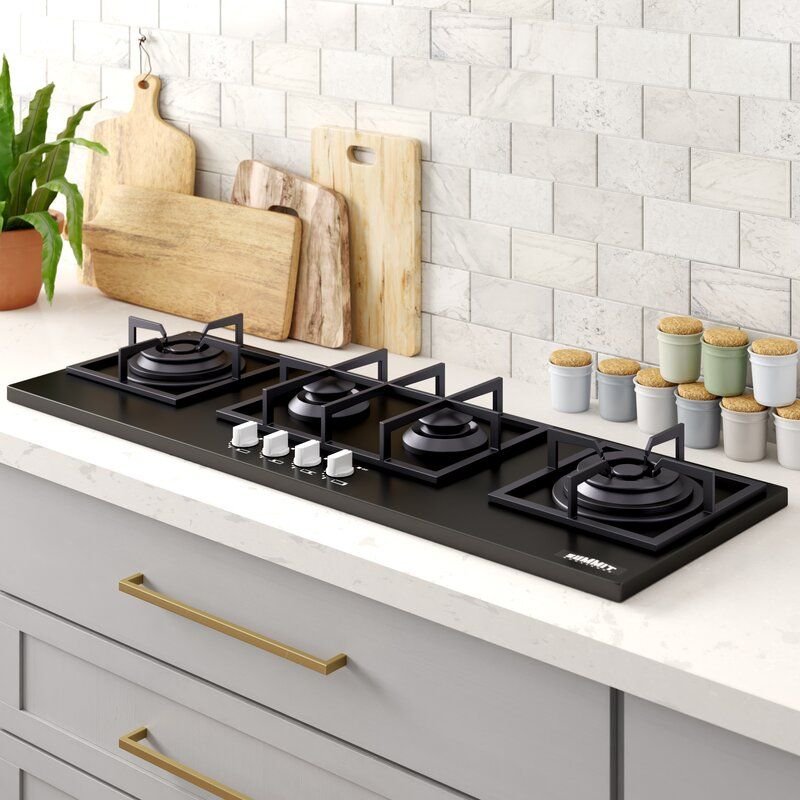
secret 1: the problem is often simpler than it looks
People tend to assume the worst. A burner won’t light, and suddenly it feels like the entire stove is broken. In reality, the issue is often something small—like food debris blocking the burner holes or moisture interfering with ignition.
A surprising number of “serious” problems are solved by basic cleaning. Spilled milk, oil splashes, or even dust can clog the tiny ports where gas escapes. When those holes are blocked, the flame becomes uneven or won’t ignite.
Instead of jumping to conclusions, start simple. Remove the burner cap, inspect it, and clean it gently. You might fix the issue in minutes.
secret 2: moisture is a hidden enemy
This one catches people off guard. After cleaning your stove or after a spill, water can get trapped inside the burner assembly. Even a small amount can prevent proper ignition.
If you hear clicking but don’t see a flame, moisture might be the culprit. The spark is there, but the environment isn’t right for ignition.
The fix is patience. Let the burner dry completely. In a hurry, you can speed things up with a dry cloth or even gentle heat from a hairdryer. Just make sure everything is fully dry before trying again.
secret 3: uneven flames tell a story
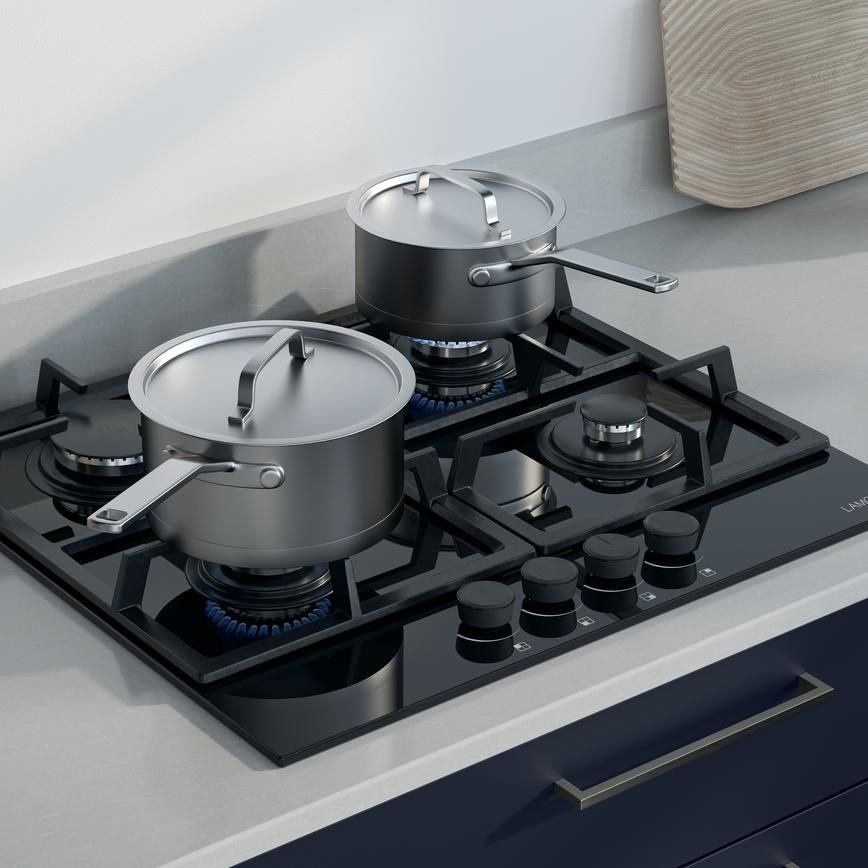
Flames are like signals. A healthy gas stove flame is blue and steady. If you see yellow or orange flames, something isn’t right.
This usually points to incomplete combustion, often caused by blocked burner ports or improper air-to-gas ratio. Dust, grease, or food particles can disrupt airflow.
Cleaning the burner thoroughly often restores the proper flame. If the issue persists, check if the burner cap is sitting correctly. Misalignment can affect how gas flows and burns.
secret 4: clicking without ignition isn’t always the igniter’s fault
One of the most common complaints is the constant clicking sound without a flame. It’s easy to blame the igniter, but that’s not always the real issue.
Sometimes the igniter is doing its job perfectly. The problem could be:
weak gas flow
blocked burner ports
misaligned burner cap
Before replacing parts, check these basics. You might save time and money by addressing the actual cause rather than the symptom.
secret 5: burner caps must sit perfectly
It seems like a minor detail, but burner caps play a crucial role. If they’re not seated properly, gas won’t distribute evenly, and ignition may fail.
After cleaning, people often place the cap back slightly off-center. The result? Uneven flames or no ignition at all.
Take a moment to align it correctly. You’ll usually feel it settle into place. It’s a small adjustment that makes a big difference.
secret 6: gas flow issues can mimic other problems
Sometimes the issue isn’t the burner or igniter—it’s the gas supply itself. If multiple burners are weak or not lighting, the problem might be upstream.
Check if:
the gas valve is fully open
the cylinder (if you’re using LPG) isn’t empty
the regulator is functioning properly
A partially closed valve can reduce gas flow, leading to weak flames or delayed ignition. It’s an easy thing to overlook.
secret 7: clogged ignition ports can block sparks
The igniter needs a clear path to spark effectively. If grease or debris builds up around the ignition area, the spark may not reach the gas.
This can lead to repeated clicking without ignition.
Carefully clean around the igniter using a soft brush or cloth. Avoid using excessive force, as the component is delicate. Once cleaned, you may find the ignition works instantly again.
secret 8: smell of gas means stop immediately
This is less about fixing and more about safety. If you smell gas strongly, don’t try to ignite the stove repeatedly.
Turn off the gas supply, ventilate the area, and wait. Gas accumulation can be dangerous. Once the smell dissipates, you can begin troubleshooting safely.
It’s always better to pause than to rush into a risky situation.
secret 9: knobs can wear out over time
Sometimes the issue isn’t inside the stove but right in front of you—the control knobs.
Over time, knobs can loosen or wear down, making it harder to regulate gas flow. You might think the burner is faulty when the real problem is inconsistent control.
If a knob feels loose or doesn’t turn smoothly, consider replacing it. It’s a simple fix that can restore proper functionality.
secret 10: regular cleaning prevents most problems
This might sound obvious, but it’s often ignored. Regular maintenance is the easiest way to avoid major repairs.
A weekly routine of wiping the stove, removing debris, and checking burner alignment can prevent buildup that leads to bigger issues.
Think of it as preventive care. A few minutes of cleaning can save hours of troubleshooting later.
secret 11: knowing when to stop is part of the skill
Not every problem should be fixed at home. If you’ve tried the basics and the issue persists—especially if it involves gas leaks or internal components—it’s wise to call a professional.
Troubleshooting isn’t just about fixing things; it’s about recognizing limits. Safety should always come first.
real-life troubleshooting scenario
Imagine this: you turn on a burner, hear clicking, but nothing lights. You try again, and again, and frustration builds.
Instead of assuming the worst, you follow a simple process:
check if the burner cap is aligned
inspect for moisture
clean the burner ports
confirm gas flow
In many cases, one of these steps solves the problem. What seemed complicated turns out to be manageable.
common mistakes people make
Even with the best intentions, certain mistakes can make things worse.
Using too much water while cleaning can trap moisture in critical areas
Ignoring small flame changes can lead to bigger issues later
Forcing components into place can damage them
Skipping regular maintenance allows buildup to accumulate
Avoiding these mistakes is just as important as knowing the fixes.
building confidence through practice
The first time you troubleshoot a gas stove, it can feel intimidating. But with each small success, confidence grows.
You start to notice patterns. A certain sound, a specific flame shape, or a recurring issue becomes familiar. Over time, what once felt like guesswork turns into understanding.
This is how skills develop—not through theory alone, but through experience.
tools that make a difference
You don’t need a full toolkit to handle basic repairs. A few simple items can go a long way:
a soft brush for cleaning
a dry cloth for wiping moisture
a pin or needle for clearing clogged ports
a flashlight for better visibility
These everyday tools are often enough to handle most common issues.
why troubleshooting matters
Beyond saving money, learning to troubleshoot your gas stove gives you a sense of control. Instead of depending on external help for every small issue, you become capable of handling everyday problems yourself.
It also helps you understand your appliance better, which leads to better care and longer lifespan.
frequently asked questions
- why does my gas stove keep clicking but not lighting
This usually happens due to moisture, blocked burner ports, or misaligned burner caps. Start by drying the area and cleaning the burner thoroughly. - is it safe to clean a gas stove with water
Yes, but use minimal water and ensure everything is completely dry before using the stove again. Moisture can interfere with ignition. - what causes yellow flames on a gas stove
Yellow flames often indicate incomplete combustion, usually due to clogged burner holes or improper airflow. Cleaning the burner typically fixes this. - how often should i clean my gas stove
A light cleaning should be done weekly, while a deeper cleaning can be done once a month depending on usage. - when should i call a professional for repairs
If you smell gas, suspect a leak, or the problem persists after basic troubleshooting, it’s best to seek professional help. - can i use a needle to clean burner holes
Yes, a thin needle can help clear clogged ports, but use it gently to avoid damaging the burner.
closing thoughts
A gas stove might seem like a complex appliance, but at its core, it’s built on simple principles. Once you understand those, troubleshooting becomes less about guesswork and more about observation.
The secrets shared here aren’t complicated tricks—they’re practical insights drawn from real experiences. The kind of knowledge you build over time, often through trial and error.
Next time your stove acts up, you won’t just see a problem. You’ll see clues, patterns, and possibilities. And more often than not, you’ll know exactly what to do.

