
5 Simple Gas Stove Repair Basics Troubleshooting Mistakes to Avoid
A gas stove is one of those everyday appliances that quietly does its job—until it doesn’t. The moment a burner refuses to ignite or the flame turns uneven, cooking becomes frustrating, sometimes even risky. Many people jump straight into fixing the issue themselves, often guided by quick online tips or past experiences. While the intention is good, the approach can sometimes lead to bigger problems than the original fault.
This article is not just a list of instructions. It’s a grounded, experience-driven walkthrough of common troubleshooting mistakes people make when repairing gas stoves—and how to avoid them. If you’ve ever thought, “It’s probably a small issue, I can fix it quickly,” then this is exactly for you.
mistake 1: ignoring safety before starting any repair
This is easily the most common and the most dangerous mistake. People tend to underestimate gas appliances because they’re used daily. That familiarity creates a false sense of control.
Picture this: a burner isn’t lighting properly, so you decide to open the stove top and take a look. You don’t turn off the gas supply because “you’re not touching that part anyway.” That assumption alone can lead to gas leakage, accidental ignition, or worse.
Gas is invisible, and in many cases, odor alone isn’t a reliable indicator—especially if your sense of smell is dull or the leak is small but steady.
What usually goes wrong:
- The gas valve is left open during inspection
- Electrical ignition systems are tested while gas is still flowing
- Cleaning is done using water or wet cloths near active gas lines
What should happen instead:
Always turn off the main gas supply before doing anything. Not just the burner knob—go to the source. If your stove is connected to a cylinder, close the regulator. If it’s piped gas, shut off the main valve.
Also, allow the stove to cool completely. Many people try to fix issues right after cooking, when surfaces are still hot. That’s a quick way to burn your hands or warp components further.
A small habit like this can make the difference between a quick fix and a serious accident.
mistake 2: assuming every ignition problem is a spark issue
When a burner doesn’t light, most people immediately blame the ignition system. They think the spark isn’t working, so they start poking around the igniter, cleaning it aggressively, or even trying to replace it.
But here’s the thing—ignition problems are often misdiagnosed.
In reality, the issue could be:
- Blocked burner ports
- Misaligned burner cap
- Moisture trapped in the burner
- Weak gas flow
The spark may be perfectly fine, but if gas isn’t reaching the right place—or not reaching at all—the burner won’t ignite.
A common scenario:
You hear the clicking sound (which means the igniter is working), but there’s no flame. Instead of checking gas flow, you clean or replace the igniter unnecessarily.
Better approach:
Start with the basics:
- Remove the burner cap and check for debris
- Ensure the cap is seated properly
- Clean the burner holes using a thin pin (not something too thick that can damage them)
- Dry everything completely before reassembling
Only after confirming these should you suspect the ignition system itself.
This layered approach saves time, effort, and unnecessary part replacements.
mistake 3: over-cleaning and damaging sensitive components
Cleaning is often recommended as the first step in troubleshooting—and rightly so. But there’s a fine line between cleaning and over-cleaning.
Many people use excessive force, harsh chemicals, or inappropriate tools. In the process, they end up damaging parts that were working fine.
Common cleaning mistakes:
- Using metal objects that widen burner holes
- Scrubbing ignition electrodes with abrasive materials
- Pouring water directly into the stove assembly
- Using strong chemicals that corrode metal parts
The irony is that while trying to fix a minor clog, people create new problems—like uneven flames, delayed ignition, or complete burner failure.
A better way to clean:
Use gentle tools:
- A soft brush or old toothbrush
- A wooden toothpick or a very fine needle
- Mild soap solution (not industrial cleaners)
Also, always dry parts thoroughly before putting them back. Moisture is one of the biggest enemies of gas stove performance. It can block gas flow, prevent sparks, and even cause rust over time.
Think of cleaning as maintenance, not repair. The goal is to restore function, not to make every part look brand new.
mistake 4: neglecting the role of proper assembly
You’d be surprised how many stove issues come down to simple misalignment.
After cleaning or inspection, people often reassemble the stove quickly, assuming everything will fall into place. But even a slight shift in the burner cap or ring can disrupt the gas-air mixture.
Signs of improper assembly:
- Yellow or orange flames instead of blue
- Uneven flame distribution
- Clicking sound continues even after ignition
- Flame goes out suddenly
These are not always signs of a faulty stove—they’re often signs of incorrect reassembly.
What usually causes this:
- Burner cap placed slightly off-center
- Rings not seated properly
- Loose screws or fittings
- Ignition electrode misaligned
How to avoid it:
Take a moment to observe how parts fit before removing them. If needed, take a quick photo. When reassembling, ensure everything sits firmly and symmetrically.
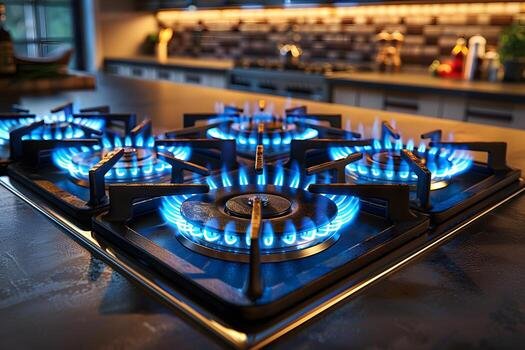
A properly assembled burner produces a steady, blue flame. Anything else is a clue that something isn’t aligned correctly.
mistake 5: trying to fix complex issues without proper understanding
There’s a point where DIY troubleshooting should stop. Unfortunately, many people push beyond that point.
Gas stoves may look simple on the outside, but internally they involve precise mechanisms—valves, regulators, pressure systems, and sometimes electronic controls.
Problems that should not be handled casually:
- Gas leakage from internal lines
- Faulty regulators
- Broken control knobs affecting gas flow
- Electrical ignition system failures involving wiring
Trying to fix these without proper knowledge can lead to:
- Gas leaks
- Fire hazards
- Permanent damage to the stove
- Increased repair costs later
A common mindset:
“I’ll just try one more thing.”
That “one more thing” is often where things go wrong.
A more practical approach:
Know your limits. Basic cleaning, inspection, and alignment are safe. But anything involving gas flow control or internal mechanisms should be handled by a trained technician.
It’s not about lacking skill—it’s about respecting the complexity of the appliance.
the human side of troubleshooting
Beyond tools and techniques, there’s a human element to all this. Most mistakes don’t happen because people are careless—they happen because people are in a hurry.
You’re cooking, something stops working, and you want it fixed immediately. That urgency leads to shortcuts. And shortcuts lead to mistakes.
A better mindset is to treat troubleshooting as a process:
Pause. Observe. Think. Then act.
Even five extra minutes of careful inspection can save hours of frustration later.
practical checklist before you start any repair
Instead of jumping straight into action, run through this simple checklist:
- Is the gas supply turned off?
- Has the stove cooled down?
- Do I understand the problem clearly?
- Am I using the right tools?
- Is this a basic issue or something more complex?
If you can answer these confidently, you’re already ahead of most people.
small habits that prevent big problems
Prevention is often overlooked in conversations about repair. But many stove issues can be avoided entirely with a few simple habits:
- Clean burners regularly (but gently)
- Avoid spilling liquids into the stove
- Dry components thoroughly after cleaning
- Check flame color periodically
- Ensure proper ventilation in the kitchen
These habits don’t take much time, but they significantly reduce the chances of malfunction.
a brief reflection on learning through mistakes
Almost everyone who has tried fixing a gas stove has made at least one of these mistakes. It’s part of the learning process.
The key is not to avoid mistakes entirely—that’s unrealistic. The goal is to recognize patterns and adjust your approach.
Over time, you develop a sense of how the stove behaves, what sounds are normal, what flames should look like. That familiarity becomes your biggest advantage.
But even with experience, caution should never be replaced by confidence.
frequently asked questions
- why is my gas stove clicking but not lighting?
This usually means the ignition system is working, but gas isn’t reaching the burner properly. Check for clogged burner holes, misaligned caps, or moisture in the burner assembly before assuming a spark issue.
- is it safe to clean a gas stove with water?
Yes, but with caution. Never pour water directly into the stove. Use a damp cloth instead, and make sure all parts are completely dry before reassembling and using the stove.
- what does a yellow flame indicate?
A yellow or orange flame usually means incomplete combustion. This can be caused by dirty burners, improper assembly, or poor air-to-gas ratio. A healthy flame should be blue and steady.
- when should i call a professional for gas stove repair?
If the issue involves gas leakage, internal components, or electrical wiring, it’s best to call a professional. Also, if basic troubleshooting doesn’t solve the problem, don’t keep experimenting.
- can i use any needle to clean burner holes?
It’s better to use a very fine needle or a specialized cleaning pin. Thick or sharp objects can widen the holes, which affects flame quality and gas flow.
- how often should i clean my gas stove burners?
Light cleaning can be done weekly, depending on usage. A more thorough cleaning once a month is usually enough to prevent clogs and maintain performance.
closing thoughts
Gas stove troubleshooting isn’t about being an expert—it’s about being careful, observant, and patient. Most problems have simple causes, but simple doesn’t always mean obvious.
By avoiding these five common mistakes, you not only fix issues more effectively but also extend the life of your stove and keep your kitchen safer.
In the end, it’s not just about getting the flame back—it’s about understanding what made it disappear in the first place.

