

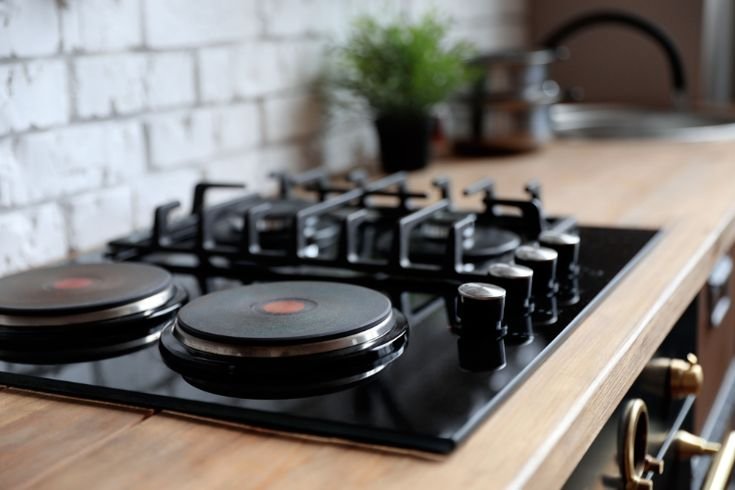
I was this close to ordering a new stove on Daraz.
My burner had been acting up for weeks — clicking endlessly without lighting, sometimes catching after 10 tries, sometimes not at all. The flame, when it did come on, looked weak and yellowish instead of the clean blue I was used to. I assumed something was seriously wrong internally. Maybe the igniter was dead. Maybe the gas valve was failing. I had no idea, honestly.
My wife was already browsing stove models. We’d mentally budgeted PKR 35,000–40,000 for a replacement. I was two days away from pulling the trigger on a new purchase.
Then I decided to just look at the burner first. What did I have to lose?
What I found changed everything.
1. The Problem That Started It All
It was a Saturday morning. I made chai, and the front-left burner refused to light. Just click-click-click-click — that annoying rapid fire of the igniter doing its job but nothing happening. I turned it off, tried again. Same thing.
I’d been ignoring this for maybe three weeks, using the other burners instead. Classic avoidance behavior. But that morning, with a sleepy toddler on my hip and chai on my mind, I finally snapped.
I put the baby down, grabbed a flashlight, and actually looked at the burner.
And that’s when I saw it.
There was a small piece of dried lentil — dal — sitting right on top of the igniter tip. Not even caked on heavily. Just a little chunk of food residue that had probably splattered during cooking, dried up, and been sitting there for who knows how long.
That’s it. That was the whole problem.
I picked it off with a toothpick. Turned the knob. The burner lit on the first try with a perfect blue flame.
I stood there for a full 30 seconds just staring at it.
2. Why We Jump to “Replace It” Thinking
This is something I’ve thought about a lot since that morning. We’re wired to assume the worst when appliances misbehave. A flickering light means the whole circuit is gone. A slow drain means you need a plumber immediately. A burner that won’t light means the stove is dying.
Part of it is genuine lack of knowledge about how these things work. Part of it is the way appliance shops talk to you — “yaar, this is old now, better to change it.” Part of it is the convenience of just buying something new and not dealing with the headache.
But gas stoves are actually pretty simple machines. There are no circuit boards, no software updates, no complex electronics. It’s gas + spark + air. That’s basically it. And most of the time when something goes wrong, it’s one of those three elements being blocked or disrupted by something small.
3. What I Learned About How Burners Actually Work
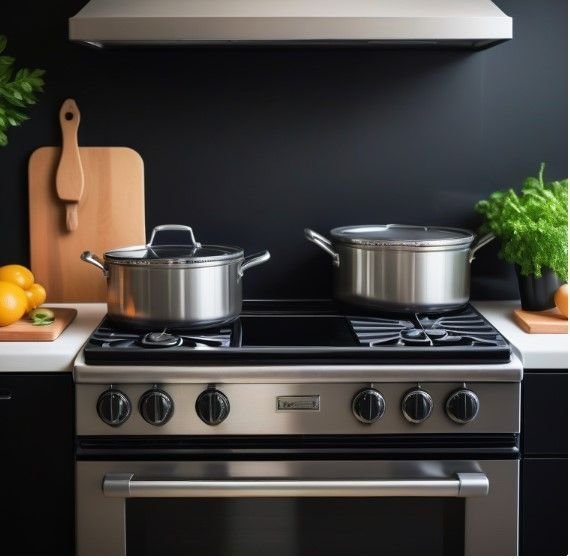
After that morning, I got curious. I spent a couple of evenings reading up on gas stove mechanics, and here’s what actually happens when you turn that knob:
| What Happens | What Can Go Wrong |
|---|---|
| Gas valve opens | Clogged gas port (food residue, grease) |
| Igniter sparks | Wet or dirty igniter tip |
| Spark meets gas | Burner cap misaligned |
| Flame spreads around burner | Ports blocked unevenly |
| Flame stays stable | Air-to-gas ratio off |
Understanding this simple flow made me realize — almost every common burner problem maps to something physical and fixable. Not electrical, not mechanical in a deep sense. Just dirty or misaligned.
If you’ve been dealing with issues like a weak flame or uneven fire, check out 8 Essential Gas Stove Repair Basics Steps to Fix Weak Flame — it breaks down exactly what causes that and how to fix it yourself.
4. The Full Cleaning I Did After (Step-by-Step)
Once I saw how much that one piece of dal had messed things up, I decided to properly clean all four burners. This took me about 45 minutes total, no special tools, nothing fancy.
Here’s what I used:
- Old toothbrush
- Toothpicks
- Dish soap + warm water
- Small bowl
- Soft cloth
- A pin (from a sewing kit)
Step 1: Turn everything off and wait. Make sure all burners are off and cooled completely. I usually wait 20 minutes after last use. This is non-negotiable — working on a hot stove is just stupid.
Step 2: Remove the grates and burner caps. These lift right off on most stoves. Set them in a bowl of warm soapy water and let them soak while you work.
Step 3: Look at the igniter. That little ceramic tip near each burner — check for any food residue, grease, or discoloration. Use a dry toothbrush to gently brush it. Don’t use water directly on the igniter.
Step 4: Check the burner ports. The small holes around the burner head — those are how gas flows out. Look for any that are blocked. A toothpick or pin works perfectly to clear them out. Don’t use metal skewers aggressively; you don’t want to widen the holes.
Step 5: Wipe down the burner head. Use a damp cloth with a tiny bit of dish soap. Get into the grooves. Dry it completely before reassembling.
Step 6: Scrub the grates and caps. By now they’ve soaked enough. Use the toothbrush to scrub off any built-up grease. Rinse and dry thoroughly — and I mean thoroughly. Wet burner caps are actually one of the top reasons for ignition problems.
Step 7: Reassemble carefully. Put the burner cap back on centered. This matters more than people think. A slightly tilted cap causes uneven flame distribution.
Step 8: Test each burner. Turn them on one at a time. Listen for a clean ignition and look for a steady blue flame.
After doing this, my stove looked and performed like it was relatively new. The back-right burner, which I’d thought was “just old and weak,” turned out to have three clogged ports. After clearing them, the flame was noticeably stronger.
For more tricks that go beyond basic cleaning, 7 Secret Gas Stove Repair Basics Tricks Technicians Don’t Tell You is genuinely eye-opening — some of those tips I wish I’d known years ago.
5. The Mistakes I Made Before I Knew Better
Let me save you some pain here. These are things I was doing wrong for years without realizing it.
Mistake #1: Wiping the burner cap but never removing it. I used to just wipe the outside of the stove surface. The caps looked clean. But underneath? Nightmare. Grease builds up in layers under those caps and you’d never know unless you lift them.
Mistake #2: Using a wet cloth on the igniter. I did this once and the burner wouldn’t light for two days. I thought it was broken. It was just damp. Let it air dry completely and it came back fine. Lesson learned the hard way.
Mistake #3: Reassembling while parts were still damp. Same issue — moisture blocks ignition. Everything needs to be bone dry before you put it back together.
Mistake #4: Assuming clicking = broken igniter. Clicking without lighting is usually one of three things: moisture on the igniter, food blocking the igniter tip, or the burner cap being misaligned. All easily fixable. The igniter itself rarely just dies — it’s usually something interfering with it.
Mistake #5: Ignoring one problematic burner and using others. I did this for weeks. The problem didn’t fix itself, obviously. And every time I used the stove, more cooking residue was landing on that already-dirty burner. Don’t ignore it. A 10-minute fix becomes a 45-minute fix when you wait.
6. When It’s Actually Time to Call Someone (or Replace)
I’m not here to tell you that every stove problem is a DIY job. Some things genuinely need a technician or a replacement.
Here’s my honest breakdown:
| Issue | DIY or Professional? |
|---|---|
| Igniter clicking but not lighting | DIY (cleaning usually fixes this) |
| Weak or yellow flame | DIY (clear burner ports) |
| Burner won’t light at all after cleaning | Professional |
| You smell gas when stove is off | Professional — immediately |
| Knob feels loose or broken | Professional or replacement part |
| Flame keeps going out mid-cooking | Professional (thermocouple issue) |
| Physical damage to gas line connections | Professional — no exceptions |
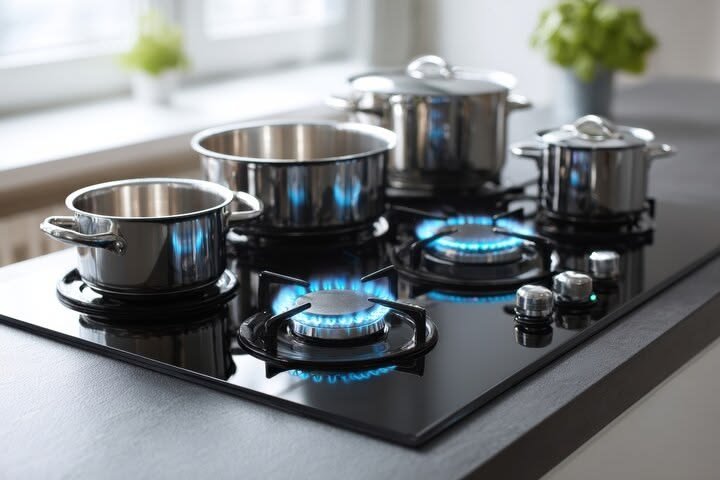
The smell-of-gas rule is the one I want to emphasize. If you smell gas and the stove is off, don’t light anything, don’t flip switches, open windows and call a gas technician. That’s not a cleaning problem.
But for the everyday annoyances — clicking, weak flame, uneven fire, won’t light — those are almost always solvable at home.
Before you mess with any repairs, please read 6 Essential Gas Stove Repair Basics Safety Ideas That Prevent Accidents and treat it seriously. Safety first, always.
7. How Much This Actually Saved Me
Let me put some numbers on this because I think it’s important.
| Option | Cost |
|---|---|
| New mid-range gas stove | PKR 30,000–45,000 |
| Calling a technician | PKR 800–2,000 (for basic cleaning/repair) |
| What I actually spent | PKR 0 |
A toothpick. That’s what fixed my stove. A literal toothpick and 45 minutes of my Saturday.
Even if my fix hadn’t worked and I’d ended up calling a technician, that’s still a fraction of what a new stove costs. The lesson here isn’t “never buy new appliances.” It’s “don’t buy new appliances before you’ve spent even 10 minutes diagnosing the old one.”
8. Building a Simple Maintenance Habit Going Forward
After this whole experience, I set myself a simple routine. Nothing intense — just stuff that takes a few minutes but prevents the kind of buildup that causes problems.
After every cooking session: Quick wipe of the grates and stove surface while it’s still slightly warm (but not hot). Catches spills before they harden.
Once a week: Remove grates, wipe underneath. Takes 5 minutes.
Once a month: Full burner cleaning — caps off, ports checked, everything dried and reassembled. The 45-minute routine I described above.
Every 3 months: Test all igniters consciously. Make sure all burners are lighting on the first or second try. If one needs 4–5 tries, that’s a sign to investigate before it becomes a full problem.
This kind of preventive thinking is exactly what 4 Smart Gas Stove Repair Basics Maintenance Lessons I Learned Late covers — and honestly, I wish I’d read something like that years ago. Would’ve saved me a lot of stress.
The Unexpected Thing I Took Away From All This
Here’s what surprised me most about this whole situation: it wasn’t just about the stove.
It made me realize how often I go into “replace it” mode without even trying to understand what’s wrong first. With the stove, it was a piece of dal and some blocked ports. But this mindset applies to a lot of things — gadgets, appliances, relationships with service providers, even problem-solving at work.
Sometimes the fix is stupid simple. Sometimes the “broken” thing just needs attention.
My stove is still running two years later. I’ve cleaned it properly three times since that Saturday morning. It lights on the first click every single time. The flame is blue and even across all four burners.
And every time I use it, I think about those PKR 35,000 I almost spent because I didn’t want to look at it for 10 minutes.
Also worth reading: If your burner is clicking non-stop but won’t actually light, don’t panic — 8 Smart Gas Stove Repair Basics Solutions for Clicking Igniters walks you through exactly what to check and how to fix it in under 15 minutes.

