

11 Ultimate Gas Stove Repair Basics Maintenance Secrets Revealed
A gas stove sits quietly at the center of daily life, doing its job without much attention—until something goes wrong. A weak flame, a clicking igniter, or an odd smell can quickly turn a routine cooking session into a stressful experience. Most people assume repairs require a professional every time, but the truth is more practical: a large number of common gas stove issues can be understood, prevented, and even fixed with a bit of patience and the right approach.
This guide is not just a list of instructions. It’s a blend of lived experience, practical observations, and real-world habits that shape how gas stoves perform over time. These eleven maintenance secrets are less about quick fixes and more about building a relationship with your appliance so it works reliably for years.
- understanding how your gas stove actually works
Before picking up a tool or even a cloth, it helps to understand what’s happening beneath the surface. A gas stove is not a complicated machine, but it is precise. Gas flows through a regulator, travels via pipes, and reaches the burner where it mixes with air before igniting. That clean blue flame you see is a sign of proper balance.
When something goes wrong, it’s usually because that balance is disturbed. Dirt blocks airflow, moisture interferes with ignition, or components wear out slowly. The key insight here is simple: most problems are not sudden—they build up quietly.
Once you start noticing patterns, you’ll realize the stove often “warns” you before a full failure. A delayed ignition, uneven flame, or faint smell are all signals.
- the secret behind a clean burner is not what you think
People often believe cleaning a burner means wiping the visible surface. In reality, the most critical part lies beneath—tiny ports around the burner head where gas escapes.
These ports can get clogged with food debris, grease, or even dust. When that happens, the flame becomes uneven or weak. Sometimes, it turns yellow instead of blue, which is a clear sign of incomplete combustion.
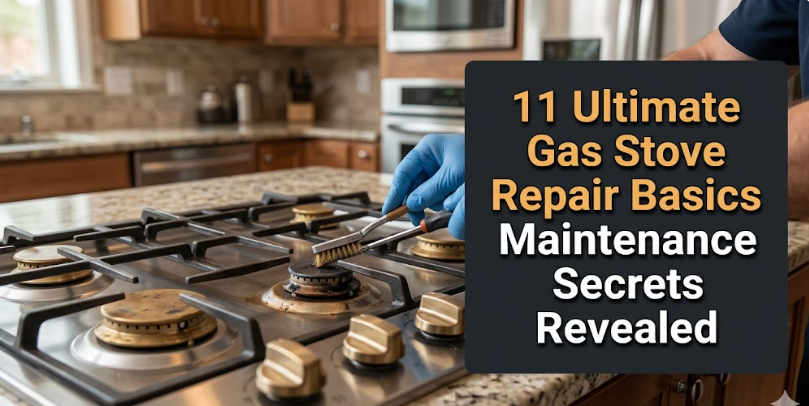
Instead of aggressive scrubbing, the smarter approach is gentle precision. A thin pin, a soft brush, or even a wooden toothpick can be used to clear individual ports. The goal is not to force anything out but to restore the original pathway.
A surprising detail: using too much water during cleaning can make things worse. Moisture trapped inside the burner delays ignition and causes irregular flame patterns.
- ignition problems are often about moisture, not failure
One of the most common complaints is a clicking igniter that doesn’t light the flame. Many people assume the ignition system is broken, but often it’s just damp.
After cleaning, small amounts of water can remain near the ignition electrode. This disrupts the spark. Even humidity in the air can sometimes play a role.
A simple solution is patience. Let the stove air-dry completely. In some cases, using a dry cloth or even letting the burners sit overnight can restore normal function.
If the clicking continues without ignition, then it may be time to inspect alignment. The electrode should be positioned close enough to the burner for the spark to jump effectively.
- the flame color tells a deeper story
A healthy gas flame is steady and blue. This is not just aesthetic—it indicates efficient combustion. When the flame turns yellow or orange, it means something is off.
Often, this is caused by blocked air intake. The burner needs the right mix of gas and oxygen. If air cannot flow properly, the flame becomes lazy and discolored.
Cleaning the burner and ensuring proper placement can solve this. However, if the issue persists, it may point to deeper airflow problems or even gas pressure inconsistencies.
Paying attention to flame color regularly is like reading a health report for your stove.
- regular maintenance is more about habit than effort
The biggest difference between a well-functioning stove and a troublesome one is not the brand or age—it’s routine care.
Instead of waiting for a problem, small habits can prevent most issues:
- Wiping spills immediately after cooking
- Checking burner alignment before use
- Keeping the area dry and clean
These actions take only a few minutes but eliminate the buildup that causes bigger problems later.
Interestingly, neglect often shows up in subtle ways first—like a faint odor or uneven heat—before becoming obvious.
- the hidden role of burner caps and alignment
Burner caps might seem like simple pieces, but their placement matters more than people think. If a cap is slightly off-center, the gas distribution becomes uneven.
This results in irregular flames, inefficient heating, and sometimes even ignition failure. After cleaning, always ensure the cap sits properly in its designated position.
A quick check: if the burner produces a symmetrical flame, the alignment is correct. If not, reposition the cap gently until it settles.
This small adjustment can solve issues that might otherwise seem complicated.
- grease buildup is the silent enemy
Over time, grease accumulates in places you don’t see—under burners, around valves, and near connections. This buildup doesn’t just affect performance; it can also pose a safety risk.
Grease can restrict airflow and interfere with ignition. In extreme cases, it can even catch fire.
The solution is not harsh chemicals but consistent cleaning. Warm water with mild detergent works well for most parts. For stubborn grease, letting it soak before cleaning is more effective than scrubbing aggressively.
A clean stove is not just about appearance—it directly impacts how safely and efficiently it operates.
- gas smell is never something to ignore
A faint smell of gas can sometimes occur briefly when lighting a burner, but it should disappear immediately. If it lingers, it’s a warning sign.
Possible causes include loose connections, worn-out seals, or improper burner placement. In such cases, turning off the gas supply and ventilating the area is the first step.
Never attempt risky fixes when dealing with gas leaks. While minor issues can be handled safely, anything involving the gas line itself should be approached with caution.
Awareness and quick response make all the difference here.
- knobs and valves need attention too
Most maintenance advice focuses on burners, but knobs and valves play an equally important role. Over time, they can become stiff or loose.
A stiff knob may indicate internal dirt or wear, while a loose one can affect gas control. Cleaning around the knobs and ensuring they move smoothly helps maintain precise flame control.
If a knob feels unusually tight or doesn’t respond properly, it’s better to address it early rather than forcing it.
- the importance of checking gas pressure
Low flame or inconsistent heat is sometimes blamed on the stove, but the real issue can be gas pressure. This can be affected by the regulator or supply line.
If all burners show the same weak performance, it’s worth considering the supply rather than individual components.
While adjusting gas pressure is not always a DIY task, being aware of it helps you identify the real cause of the problem.
- knowing when not to fix it yourself
This might be the most important secret of all. Not every issue should be handled at home. Recognizing the limit between basic maintenance and technical repair is crucial.
If you notice persistent gas leaks, damaged pipes, or internal faults, it’s better to involve a professional. Attempting complex repairs without proper knowledge can make things worse.
The goal of these maintenance secrets is not to replace expertise but to reduce unnecessary problems and handle simple ones confidently.
bringing it all together
A gas stove is more than a kitchen tool—it’s a system that responds to how it’s treated. When you clean it carefully, observe its behavior, and address small issues early, it rewards you with consistent performance.
These eleven secrets are not shortcuts. They are habits and insights that build over time. Once they become part of your routine, stove maintenance stops feeling like a chore and becomes second nature.
There’s something satisfying about lighting a burner and seeing a steady blue flame, knowing that everything is working exactly as it should.
frequently asked questions
- why does my gas stove flame turn yellow sometimes
A yellow flame usually indicates incomplete combustion. This often happens due to clogged burner ports or insufficient airflow. Cleaning the burner and ensuring proper alignment usually resolves the issue. - what should i do if my gas stove won’t ignite
First, check for moisture around the igniter. Dry the area thoroughly and ensure the burner cap is correctly placed. If the problem continues, inspect the electrode alignment. - is it safe to clean a gas stove with water
Yes, but moderation is key. Excess water can seep into components and cause ignition issues. Always dry the stove completely after cleaning. - how often should i clean my gas stove burners
Light cleaning after daily use and a deeper clean once a week is generally enough. Consistency matters more than intensity. - what does a weak flame indicate
A weak flame can result from clogged burners, low gas pressure, or misaligned components. Checking each of these factors can help identify the cause. - when should i call a professional for gas stove repair
If you detect a persistent gas smell, notice damaged parts, or face issues beyond basic cleaning and adjustment, it’s best to seek professional help immediately.
In the end, maintaining a gas stove is less about technical skill and more about attention and care. When you understand how small details affect performance, even the simplest actions can make a big difference.

