


8 proven gas stove repair basics setup ideas for small kitchens
A small kitchen has a personality of its own. It teaches discipline without saying a word. Every inch matters, every movement counts, and every appliance must justify its existence. Among all the elements in a compact cooking space, the gas stove stands at the center of activity. It is where routine meets urgency—morning tea, quick lunches, late dinners, and everything in between.
Yet, in small kitchens, even a minor issue with a gas stove can feel like a major disruption. A weak flame, uneven heating, or a faulty connection isn’t just an inconvenience—it can throw off your entire rhythm. That’s why understanding basic repair and setup ideas is more than a technical skill. It’s a way of reclaiming control over your space.
This article explores eight proven ideas that blend repair fundamentals with smart setup strategies, specifically tailored for small kitchens. The goal is not just to fix problems, but to create a system that works reliably and efficiently over time.
idea one: mastering the foundation before fixing anything
Before jumping into repairs, it’s essential to understand the anatomy of a gas stove. Many issues arise not because the stove is broken, but because its components are misunderstood.
A typical gas stove includes burners, ignition system, gas valves, pipelines, and control knobs. Each part plays a role in delivering a stable flame. When something goes wrong, the instinct is often to replace parts immediately. However, in small kitchens where access is limited, unnecessary replacements can create more clutter and confusion.
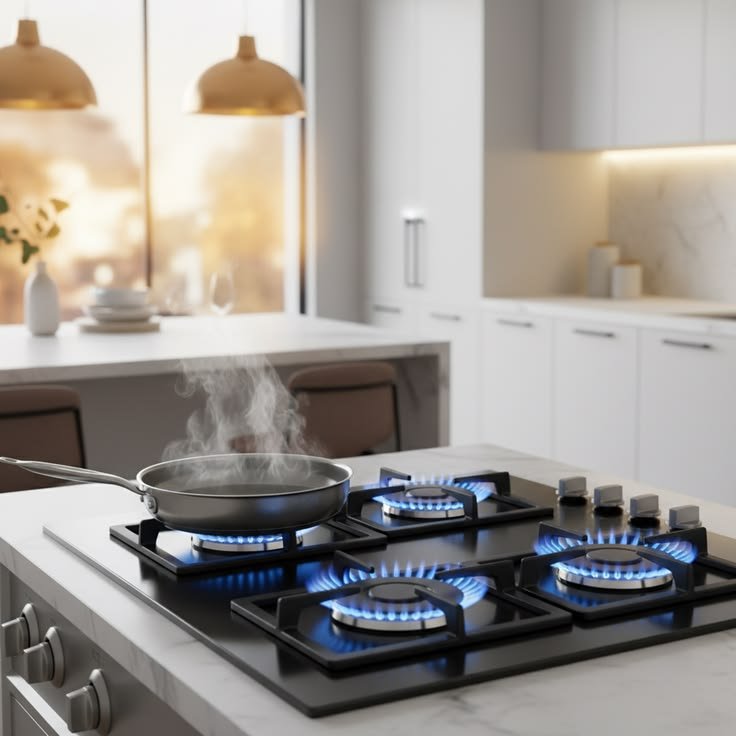
Start by observing. Notice how the flame behaves. Is it blue and steady, or yellow and flickering? Does it respond quickly when you adjust the knob? These small details can point to the root cause. For example, a yellow flame often indicates incomplete combustion, usually due to clogged burner holes or poor air mixing.
Instead of treating the stove like a black box, treat it like a system. Understanding the system reduces guesswork and prevents overcomplication, which is especially valuable in tight spaces.
idea two: cleaning as a repair technique, not just maintenance
In small kitchens, grease and debris accumulate faster due to limited airflow. Over time, this buildup can mimic serious faults. Burners may appear damaged when they are simply clogged.
Cleaning should not be an afterthought—it is a repair strategy in itself.
Remove the burner caps and soak them in warm water mixed with mild detergent. Use a thin wire or pin to clear blocked holes. Wipe the surface beneath the burners where spills tend to settle unnoticed. Pay attention to the ignition area, as grease can interfere with spark generation.
What makes cleaning powerful is its ability to restore performance without replacing anything. In many cases, a stove that seems faulty returns to normal operation after a thorough cleaning session.
In a small kitchen, this approach saves space, time, and money. It also builds a habit of prevention, reducing the frequency of larger repairs.

idea three: optimizing gas flow for consistent performance
Gas flow is the lifeline of any stove. In compact setups, the pipeline is often shorter but more prone to bends and pressure inconsistencies. A slight kink in the hose or a partially closed valve can lead to uneven flames.
Check the gas hose regularly. It should be flexible, free from cracks, and properly aligned. Avoid sharp bends, especially near the connection points. If the hose looks worn out, replacing it is a simple yet impactful fix.
Another overlooked aspect is the regulator. If the flame fluctuates or weakens unexpectedly, the regulator may not be maintaining consistent pressure. Adjusting or replacing it can restore balance.
In small kitchens, where the stove is often placed close to walls or cabinets, ensuring smooth gas flow is critical. It prevents not only performance issues but also potential safety hazards.
idea four: aligning the burner and cap correctly
It may sound too simple to matter, but improper alignment of burner parts is a common cause of uneven flames. In a small kitchen, where quick cleaning and reassembly are frequent, misalignment happens easily.
After cleaning, place the burner cap carefully. It should sit flat and stable. If it tilts or wobbles, the flame will not distribute evenly. This can lead to hot spots, inefficient cooking, and even soot formation on utensils.
Take a moment to test the flame after reassembly. Turn the knob and observe. A properly aligned burner produces a uniform ring of blue flame. Any gaps or irregularities indicate a positioning issue.
This small step can make a noticeable difference in daily cooking. It also reduces wear and tear on cookware, which is often more visible in compact kitchens.
idea five: managing space without compromising safety
Small kitchens demand creativity, but safety should never be compromised for the sake of space. When setting up a gas stove, ensure there is enough clearance around it.
Avoid placing flammable items too close to the stove. Curtains, paper towels, and plastic containers should be kept at a safe distance. Even in tight spaces, a few inches of clearance can prevent accidents.
Ventilation is another key factor. A small kitchen can trap heat and fumes quickly. If possible, position the stove near a window or install an exhaust fan. Proper airflow not only improves comfort but also enhances combustion efficiency.
Think of space management as a balance between convenience and caution. A well-organized setup reduces the likelihood of accidental damage and makes repairs easier when needed.
idea six: troubleshooting ignition issues effectively
Modern gas stoves often come with automatic ignition systems. While convenient, they can be sensitive to dirt and moisture. In small kitchens, where cleaning is frequent, water may seep into the ignition area.
If the stove fails to spark, start by drying the ignition components. Use a clean cloth and allow the area to air dry completely. Check for visible debris around the electrode.
If the issue persists, the problem may lie in the ignition switch or wiring. In such cases, manual ignition using a lighter can serve as a temporary solution until proper repair is done.
Understanding how the ignition system works helps you respond calmly to failures. Instead of assuming a major fault, you can address the issue step by step.
idea seven: using minimal tools for maximum efficiency
Repairing a gas stove does not require a large toolkit. In fact, in a small kitchen, keeping tools minimal is an advantage.
A basic set of tools—screwdriver, cleaning brush, pin, and adjustable wrench—is often enough for most tasks. Store them in a compact container that can be easily accessed.
The key is not the number of tools, but how effectively they are used. Knowing which tool to use and when can simplify repairs significantly.
This approach aligns with the philosophy of small kitchens: doing more with less. It keeps the workspace uncluttered and ensures that repairs do not become overwhelming.
idea eight: building a routine that prevents breakdowns
The most effective repair is the one you never have to make. Building a simple routine can prevent many common issues.
Set aside time once a week for basic cleaning. Check the gas hose and connections monthly. Observe the flame regularly and note any changes.
These small habits create a feedback loop. You become more familiar with your stove’s behavior, making it easier to detect problems early.
In a small kitchen, where disruptions are felt more strongly, prevention is invaluable. It keeps the cooking process smooth and reduces stress.
a closing reflection on small kitchens and smart repairs
Living with a small kitchen is not about limitation—it’s about intention. Every choice, from placement to maintenance, shapes the experience of cooking.
A gas stove, though simple in design, reflects this philosophy. When it works well, it fades into the background, supporting your routine effortlessly. When it doesn’t, it demands attention.
By understanding basic repair techniques and thoughtful setup ideas, you transform the stove from a potential source of frustration into a reliable partner. The space may be small, but the impact of these practices is significant.
frequently asked questions
- why is my gas stove flame turning yellow instead of blue
A yellow flame usually indicates incomplete combustion. This often happens بسبب clogged burner holes or improper air-gas mixture. Cleaning the burner and ensuring proper alignment typically resolves the issue. - how often should i clean my gas stove in a small kitchen
In a small kitchen, weekly cleaning is recommended due to faster buildup of grease and debris. Regular cleaning helps maintain performance and prevents long-term damage. - can i repair a gas stove ignition problem myself
Minor ignition issues, such as moisture or dirt buildup, can often be fixed at home by cleaning and drying the components. However, electrical faults may require professional assistance. - what are the signs of a faulty gas hose
Cracks, stiffness, or the smell of gas near the hose are clear warning signs. If you notice any of these, replace the hose immediately to ensure safety. - is it safe to use a gas stove in a very small kitchen
Yes, as long as proper ventilation and safe spacing are maintained. Installing an exhaust fan and keeping flammable items away from the stove are essential precautions. - how can i improve gas stove efficiency in a compact space
Ensure proper burner alignment, clean components regularly, and maintain consistent gas flow. Small adjustments can significantly improve efficiency and cooking performance.
This blend of practical knowledge and mindful setup creates a system that works quietly in the background, allowing you to focus on what truly matters—preparing meals and enjoying the process, no matter how small the kitchen may be.

