

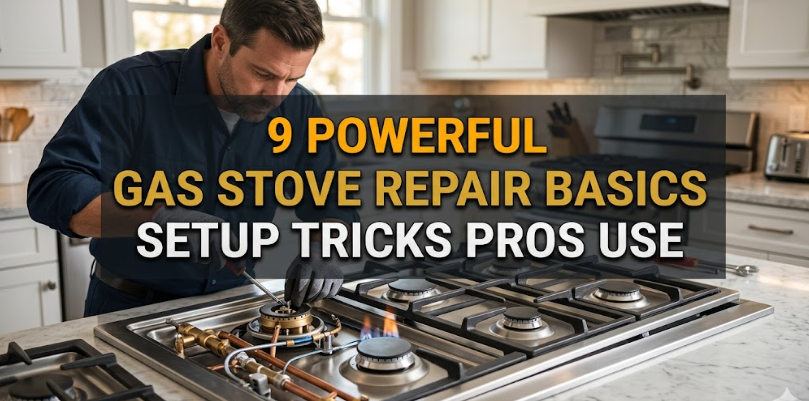
9 Powerful Gas Stove Repair Basics Setup Tricks Pros Use
If you’ve ever watched a professional fix a gas stove, you might have noticed something interesting: they rarely rush, rarely guess, and almost never repeat the same mistake twice. What looks like a quick repair is actually built on small, reliable setup habits that save time, reduce risk, and extend the life of the appliance.
Most homeowners focus on fixing what’s broken. Professionals focus on how they start. The setup determines everything that follows. A poorly prepared repair job can lead to gas leaks, uneven flames, or repeated breakdowns. A properly set up one, even by a beginner, can feel surprisingly smooth and controlled.
This guide walks through nine practical, field-tested setup tricks used by experienced technicians. These are not complicated theories—they’re simple habits, small adjustments, and ways of thinking that transform how you approach gas stove repair.
- start with controlled gas isolation, not just turning it off
Many people think turning off the stove knob is enough. It isn’t. Professionals never trust surface-level controls alone. They go deeper by isolating the gas supply entirely.
Before doing anything:
Locate the main gas valve connected to the stove.
Turn it off firmly but gently.
Wait a minute or two before proceeding.
Why wait? Because residual gas can still linger in the lines. Giving it time ensures that pressure drops and any trapped gas dissipates.
Pros also double-check by turning a burner knob briefly after shutting off the supply. If no gas flows, they know they’re safe to proceed.
This small habit prevents one of the most common mistakes: working on a “mostly off” system that still has active gas flow.
- use a smell check before a visual inspection
Most beginners jump straight into taking things apart. Professionals pause first—and they use their senses.
The smell test is simple but powerful. Natural gas often has a sulfur-like odor added for safety. Before touching any component, pros take a moment to detect whether there’s a leak.
If there’s even a faint smell:
Stop immediately.
Ventilate the area.
Do not attempt repair until the source is identified.
This step is often skipped, but it can save lives. Experienced technicians treat smell as their first diagnostic tool, not an afterthought.
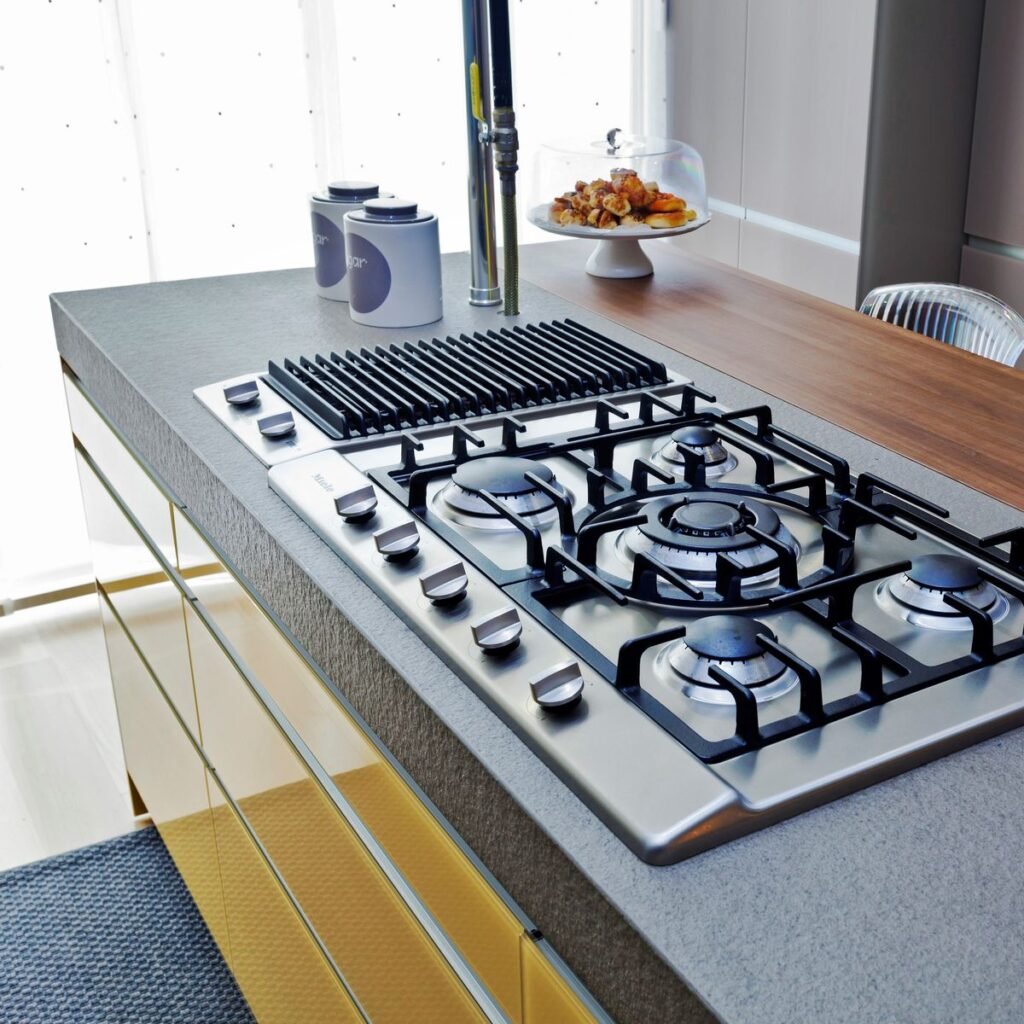
- photograph everything before disassembly
Here’s a trick that separates amateurs from professionals instantly: documentation.
Before removing any part of the stove—burners, knobs, pipes, or igniters—pros take quick photos using their phone. Multiple angles, close-ups, and wider shots.
Why?
Because memory is unreliable when dealing with small components. Reassembly errors are one of the biggest causes of post-repair issues. A misplaced burner cap or incorrectly aligned igniter can affect flame quality or prevent ignition altogether.
Photos create a visual reference that eliminates guesswork later. It’s like having a personalized manual for your specific stove.
- clean before diagnosing
This might sound counterintuitive. Why clean something before figuring out what’s wrong?
Because dirt lies.
Grease buildup, food particles, and carbon deposits can mask the real problem. A clogged burner might look broken when it just needs cleaning. An uneven flame might be caused by debris, not a faulty part.
Professionals always:
Remove burner caps.
Wipe surfaces.
Clear ports with a fine needle or brush.
Only after cleaning do they evaluate the issue. This avoids unnecessary replacements and ensures the diagnosis is accurate.
- check airflow as carefully as gas flow
Most people focus only on gas supply. But a proper flame depends equally on airflow.
A blue flame requires the right mixture of gas and oxygen. If airflow is blocked, you’ll see yellow or uneven flames.
Pros inspect:
Air shutters (if accessible).
Burner ports for blockage.
Ventilation pathways.
Even a small obstruction can disrupt combustion. By addressing airflow early in the setup, professionals prevent issues that might otherwise be misdiagnosed as gas pressure problems.
- test ignition components separately
Ignition problems are common, but replacing parts blindly is not the professional approach.
Instead of assuming the igniter is faulty, pros isolate and test it.
They check:
Is there a clicking sound?
Is the spark visible?
Is it positioned correctly?
Sometimes the igniter works perfectly but is misaligned. Other times, it’s covered in grease and simply needs cleaning.
By testing components individually, professionals avoid unnecessary costs and ensure they fix the root cause.
- use the “tight, not forced” rule for connections
When reconnecting gas lines or fittings, beginners often make one of two mistakes: leaving connections too loose or overtightening them.
Pros follow a simple rule: tight, not forced.
Gas connections should be snug enough to prevent leaks but not so tight that threads are damaged. Over-tightening can create micro-cracks or distort fittings, leading to future leaks.
A good practice is:
Tighten until resistance increases.
Give a slight additional turn.
Stop before forcing.
After reconnecting, professionals always perform a leak test using soapy water. Bubbles indicate escaping gas, signaling the need for adjustment.
- restore parts in a deliberate sequence
Reassembly is not just about putting things back—it’s about doing it in the right order.
Professionals don’t rush this stage. They follow a sequence:
Internal components first.
Burners and caps next.
External knobs last.
This structured approach prevents missed steps and ensures each component fits correctly.
One overlooked detail is alignment. Burner caps, for example, must sit perfectly flat. Even a slight tilt can cause uneven flames or ignition issues.
Taking an extra minute here often saves hours of troubleshooting later.
- test under real conditions, not just briefly
After completing a repair, many people test the stove for a few seconds and call it done. Professionals go further.
They test each burner individually and then together. They observe flame color, stability, and response to adjustments.
They also:
Let the stove run for a few minutes.
Check for unusual smells.
Listen for irregular sounds.
This extended testing ensures the repair holds up under normal use. It’s the final confirmation that everything was done correctly.
building a repair mindset, not just a checklist
What ties all these tricks together is not just technique—it’s mindset.
Professionals approach repairs with patience, curiosity, and respect for the system. They don’t assume. They verify. They don’t rush. They prepare.
If you adopt this mindset, even basic repairs become more manageable and far less intimidating.
You begin to notice patterns:
Most problems have simple causes.
Small details make a big difference.
Preparation often matters more than action.
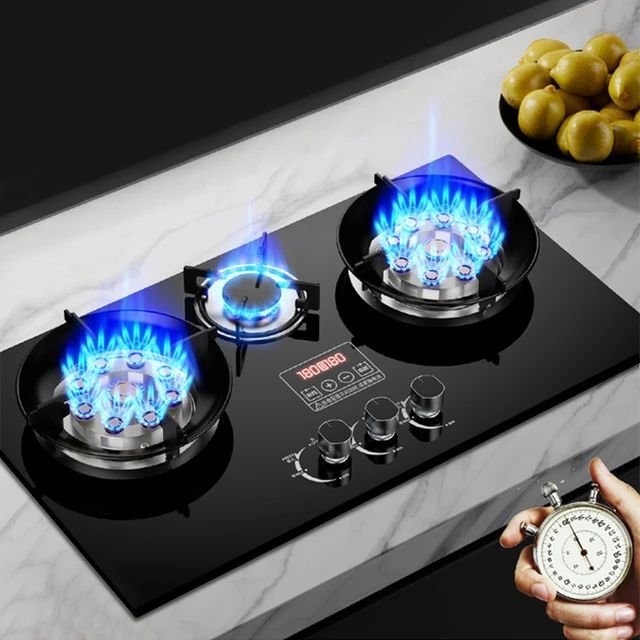
common mistakes these tricks help avoid
When you skip proper setup, you risk:
Gas leaks from loose connections.
Misdiagnosed issues leading to wasted money.
Repeat repairs due to poor reassembly.
Safety hazards from unnoticed problems.
Each trick in this guide addresses one or more of these risks. Together, they create a reliable process that professionals trust.
practical example: fixing a weak flame
Imagine your stove has a weak flame.
A beginner might replace parts immediately.
A professional would:
Shut off gas completely.
Check for smell leaks.
Clean burner ports.
Inspect airflow.
Test ignition.
Reassemble carefully.
Run extended tests.
In many cases, the issue is resolved during cleaning or airflow adjustment—no replacement needed.
tools that support these setup tricks
While the focus here is on technique, a few basic tools make the process easier:
Soft brush or old toothbrush for cleaning.
Needle or pin for clearing burner ports.
Adjustable wrench for fittings.
Soapy water solution for leak testing.
Cloth or paper towels for wiping surfaces.
These simple tools, combined with the right approach, are often enough for most basic repairs.
when to stop and call a professional
Even with these tricks, some situations require expert help:
Persistent gas smell after shutdown.
Damaged gas lines or fittings.
Electrical issues beyond igniter cleaning.
Complex internal faults.
Knowing when to stop is just as important as knowing how to start.
final thoughts
Gas stove repair doesn’t have to feel overwhelming. When you break it down into careful setup steps, it becomes a controlled and logical process.
These nine tricks are not shortcuts—they are habits built from experience. They reduce errors, improve safety, and make repairs more effective.
If you remember one thing, let it be this: the quality of your setup determines the quality of your repair.
Take your time at the beginning, and everything else becomes easier.
frequently asked questions
- how do i know if my gas stove problem is serious
If you notice a strong gas smell, irregular flames that don’t improve after cleaning, or burners that won’t ignite at all, the issue may be serious. In such cases, it’s safer to stop and consult a professional rather than experimenting further. - can i repair a gas stove without any prior experience
Yes, basic repairs like cleaning burners or adjusting caps can be done without experience, as long as you follow safety precautions. However, anything involving gas lines or internal components should be approached carefully. - why is my flame yellow instead of blue
A yellow flame usually indicates poor combustion, often caused by blocked airflow or dirty burner ports. Cleaning and checking ventilation typically resolves the issue. - how often should i clean my gas stove burners
Regular cleaning every few weeks helps prevent buildup that can lead to performance issues. If you cook frequently, you may need to clean them more often. - what is the safest way to check for gas leaks
Using a soapy water solution on connections is a safe and effective method. If bubbles form, there’s a leak that needs to be addressed immediately. - is it normal to hear clicking sounds from the stove
Clicking is normal during ignition. However, continuous clicking after the burner is lit may indicate moisture, dirt, or a misaligned igniter that needs attention.
By applying these principles and staying mindful of safety, you can handle many common gas stove issues with confidence and clarity.

