
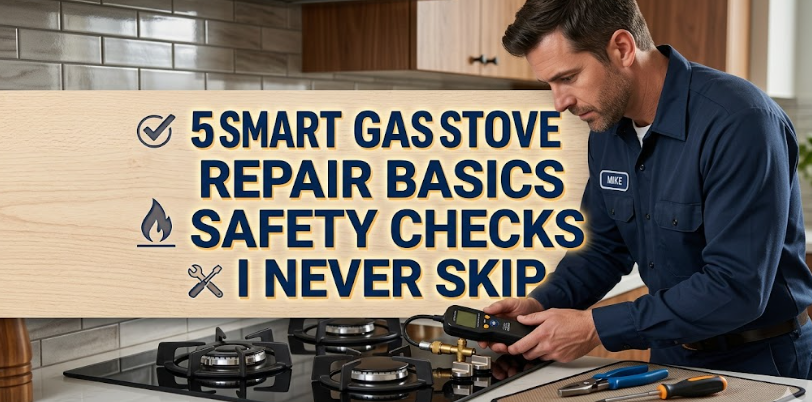
5 Smart Gas Stove Repair Basics Safety Checks I Never Skip
There’s something quietly dangerous about a gas stove. It sits there every day, helping you cook meals, boil tea, and prepare food for your family. You trust it without thinking much about what’s happening beneath the burners. But the truth is, a gas stove is not just a kitchen appliance—it’s a controlled fire system connected to a fuel source. And like anything that involves gas and flame, a little neglect can turn into a serious hazard.
I learned this the hard way. Not through a major accident, thankfully, but through a series of small, uncomfortable moments—a faint gas smell that lingered longer than it should have, a burner that wouldn’t ignite properly, a flicker of orange flame instead of steady blue. Each of these was a warning sign. Each could have been ignored. But over time, I realized that safety isn’t about reacting when something goes wrong. It’s about building habits that prevent problems before they start.
These five safety checks are not complicated. They don’t require advanced tools or technical training. But they are the ones I never skip anymore, no matter how busy life gets. They’ve become part of my routine, almost like locking the door before leaving the house.
checking for gas leaks before anything else
This is the first thing I always pay attention to, even before turning on a burner. Gas leaks don’t always announce themselves loudly. Sometimes, it’s just a faint smell—easy to dismiss, especially if you’ve just cooked something strong like onions or spices.
But that smell matters.
Natural gas is odorless by default, but suppliers add a chemical to give it a distinctive scent, often described as rotten eggs. If you notice even a slight hint of it, don’t brush it off. That’s your first line of defense.
I make it a habit to pause and smell the air around the stove, especially if it hasn’t been used for a while. If something feels off, I don’t light anything. I check the knobs to make sure they’re fully turned off. Then I ventilate the area by opening windows and doors.
For a more thorough check, a simple soap solution works wonders. Mix water with a bit of dish soap and apply it to the gas connections using a sponge or brush. If bubbles start forming, you’ve got a leak. It’s a small trick, but it can reveal a big problem.
And here’s something important: never use a flame to check for leaks. It sounds obvious, but you’d be surprised how many people still do this out of curiosity or habit.
If a leak is confirmed, the safest move is to shut off the gas supply and call a professional. It’s not worth trying to fix a gas line yourself unless you really know what you’re doing.
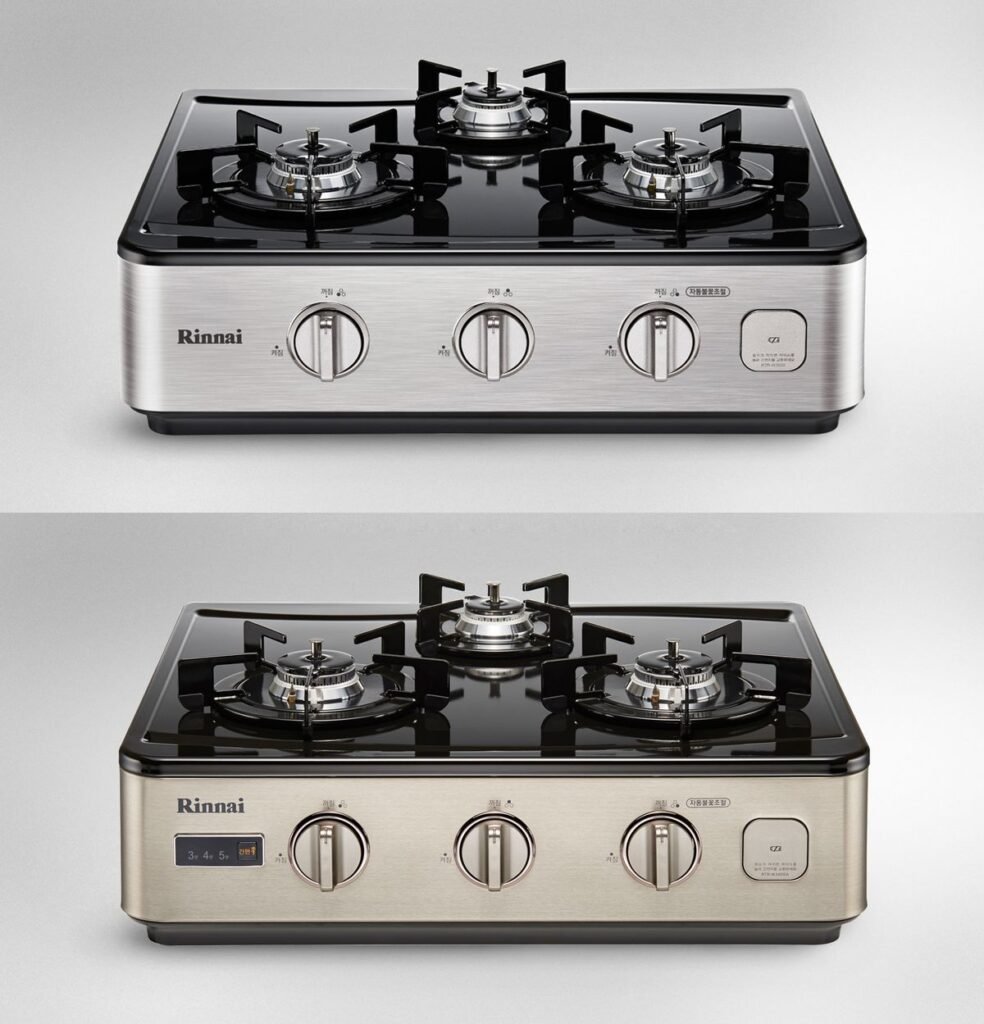
inspecting burner flames for proper color and behavior
The flame tells a story. Once you start paying attention, it becomes one of the easiest ways to judge whether your stove is working safely.
A healthy gas flame is steady and blue. That blue color indicates complete combustion, meaning the gas is burning efficiently and cleanly.
But sometimes, the flame turns yellow or orange. It may flicker unevenly or produce soot on your cookware. That’s a sign of incomplete combustion, which can lead to carbon monoxide production—a silent and dangerous gas.
Whenever I light a burner, I take a second to observe the flame. If it’s not blue, I don’t ignore it. I check for possible causes, like clogged burner ports or misaligned burner caps.
Cleaning usually helps. Food spills, grease, and debris can block the tiny holes where gas comes out, disrupting the airflow. A simple cleaning with a soft brush or a pin can restore proper function.
If cleaning doesn’t fix the issue, it might be a deeper problem, like a faulty regulator or air shutter imbalance. At that point, it’s better to bring in someone with experience.
This check takes less than ten seconds, but it can reveal issues that might otherwise go unnoticed for weeks.
making sure the ignition system works smoothly
There was a time when I didn’t think much about the ignition system. As long as the stove eventually lit, I assumed everything was fine.
But delayed ignition is not something to ignore.
If you turn the knob and the burner takes a few seconds to light, gas is being released during that delay. That buildup can cause a sudden flare when it finally ignites. It might seem harmless at first, but repeated delays increase the risk over time.
Now, I pay close attention to how quickly the burner lights. Ideally, it should ignite almost instantly—within a second or two.
If it doesn’t, I check the igniter. Sometimes it’s just dirty. A gentle cleaning can restore the spark. Other times, the electrode might be worn out or misaligned.
I also listen for the clicking sound. If there’s no click, the ignition system might not be working at all, and you’d have to rely on a lighter or match. While that’s a temporary solution, it’s not ideal for long-term use.
Fixing ignition issues early prevents bigger problems later. It also makes cooking smoother and safer.
checking gas hoses and connections regularly
Out of sight often means out of mind, especially when it comes to the gas hose behind the stove. But this is one area where neglect can be dangerous.
I make it a point to inspect the hose and connections at least once every few weeks. It doesn’t take long, but it requires a bit of attention.
I look for cracks, wear, or any signs of damage on the hose. Over time, rubber can degrade, especially in hot kitchen environments. Even a small crack can lead to leaks.
The connections should be tight and secure. If anything feels loose, it needs to be addressed immediately.
Sometimes, dust and grease accumulate around these areas, making it harder to spot issues. A quick wipe-down helps keep everything visible and easier to inspect.
If your setup uses a regulator, that’s another component to check. It should be firmly attached and functioning properly. Any unusual sounds or smells near it should not be ignored.
Replacing a worn-out hose is far cheaper and easier than dealing with the consequences of a leak.
keeping the stove and surrounding area clean and clear
This might sound basic, but it’s one of the most overlooked safety checks.
A clean stove is not just about appearance—it’s about function and safety.
Grease buildup can become a fire hazard. Food debris can block burners and affect flame quality. Clutter around the stove can catch fire if it gets too close to the flame.
I’ve made it a habit to clean the stove surface regularly, especially after cooking. It doesn’t have to be a deep clean every time, but removing visible spills and grease goes a long way.
The area around the stove matters too. I avoid placing flammable items like paper towels, plastic containers, or cloth near the burners.
Ventilation is another part of this. Cooking produces heat, moisture, and sometimes smoke. A well-ventilated kitchen reduces the risk of gas buildup and improves air quality.
Even something as simple as turning on an exhaust fan or opening a window can make a difference.
building habits that stick
What makes these safety checks effective is not their complexity, but their consistency.
It’s easy to be careful for a few days after hearing a warning or reading an article. But real safety comes from habits that become second nature.
I don’t run through a checklist every time I cook. Instead, these checks have blended into my routine. I notice the smell, glance at the flame, listen to the ignition, and keep things clean without thinking too much about it.
That’s the goal—not perfection, but awareness.
You don’t need to be an expert to keep your kitchen safe. You just need to pay attention to the small details that others often overlook.
frequently asked questions
- how often should I check my gas stove for leaks?
It’s a good idea to do a quick smell check every day before using the stove. A more thorough check with a soap solution can be done once a month or whenever you suspect a problem. - what should I do if I smell gas in my kitchen?
Turn off the stove and gas supply immediately. Open windows and doors to ventilate the area. Avoid using electrical switches or flames. If the smell persists, contact a professional right away. - why is my gas flame yellow instead of blue?
A yellow flame usually indicates incomplete combustion, often caused by clogged burner ports or improper air-to-gas ratio. Cleaning the burner can help, but if the issue continues, it may need professional attention. - is it safe to use a lighter if the ignition system fails?
Using a lighter can work as a temporary solution, but it’s not ideal. It’s better to repair the ignition system to ensure consistent and safe operation. - how long do gas hoses typically last?
Gas hoses can last several years, but their lifespan depends on quality and usage conditions. Regular inspection is important, and any signs of wear mean it’s time for a replacement. - can I repair my gas stove myself?
Basic maintenance like cleaning burners or checking connections can be done safely. However, anything involving gas lines, regulators, or internal components should be handled by a qualified technician.
In the end, safety isn’t about fear—it’s about respect. A gas stove is a powerful tool, and like any tool, it works best when handled with care. These five checks may seem simple, but they create a strong foundation for a safer kitchen. And once they become part of your routine, you’ll wonder how you ever cooked without them.

