

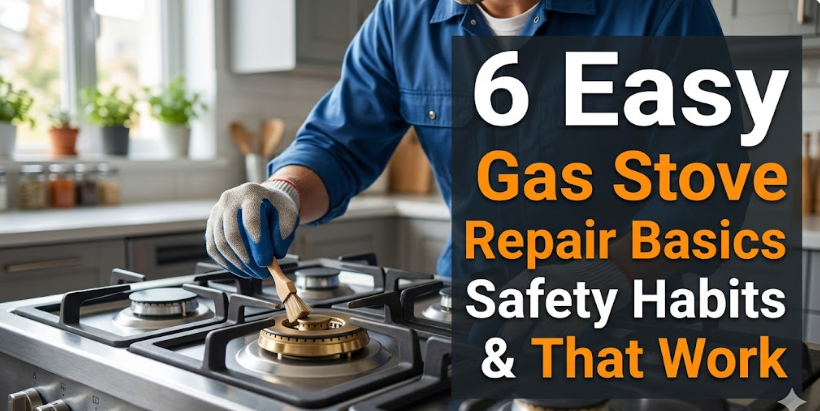
6 Easy Gas Stove Repair Basics Safety Habits That Work
A kitchen often feels like the heart of a home, but it is also a place where small oversights can turn into serious hazards. Among all appliances, the gas stove deserves particular attention. It is reliable, efficient, and widely used, yet it operates on a principle that demands respect: controlled fire. When handled properly, it serves faithfully for years. When neglected, it can become a source of risk.
Over time, I’ve noticed that most problems with gas stoves are not caused by complex mechanical failures. Instead, they come from simple habits—things people forget, ignore, or assume don’t matter. The good news is that these same small habits, when done consistently, can prevent most issues entirely.
This is not just a list of instructions. It’s a practical, experience-shaped guide to building six easy safety habits that genuinely work. These are the kinds of habits that become second nature, the ones you don’t think about after a while but that quietly keep your kitchen safe every single day.
habit one: always check for gas smell before and after use
This may sound obvious, but it’s one of the most overlooked habits. Many people only react to a strong gas smell, but by then, it may already be a dangerous situation. Developing a habit of checking for even the faintest unusual odor can make a huge difference.
Gas suppliers add a distinctive smell to help detect leaks early. It’s not there for convenience; it’s a safety feature that depends entirely on your awareness. Before lighting the stove, take a brief moment to notice the air around you. After cooking, do the same.
This habit takes less than five seconds, yet it creates a layer of protection that no tool can replace. If something smells off, even slightly, pause immediately. Turn off the gas supply, ventilate the area, and investigate. Do not light a match to “check” the smell. That kind of shortcut has caused more accidents than people like to admit.
Over time, this simple check becomes automatic. You walk into the kitchen, and your senses do the work without conscious effort. That’s the goal—turning awareness into instinct.
habit two: keep burners clean and unclogged
A clean burner is not just about appearance; it directly affects how safely your stove operates. Food spills, oil, and debris can clog the tiny holes where gas flows. When that happens, the flame becomes uneven, weak, or dangerously unpredictable.
An uneven flame might look harmless at first, but it can lead to incomplete combustion, producing carbon monoxide—a silent and dangerous gas. This is why cleaning your burners regularly is not optional.
You don’t need complicated tools for this. A soft brush, a pin for clearing holes, and warm soapy water can do most of the job. Make it a routine to wipe down the stove after cooking, and do a deeper clean once a week.
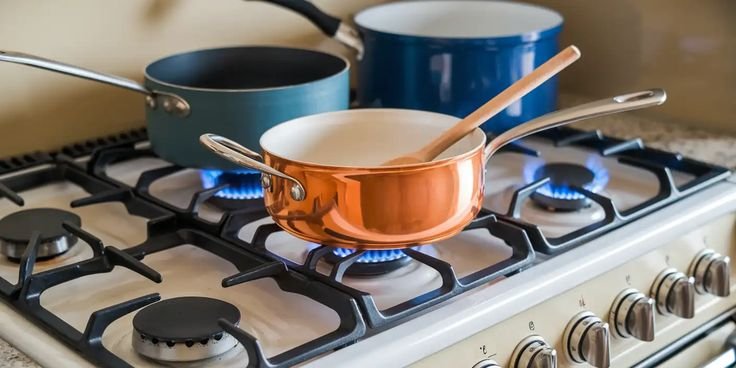
There’s something satisfying about seeing a burner light up with a steady blue flame. It’s a small visual confirmation that everything is working as it should. And more importantly, it’s a sign that you’ve removed potential risks before they had a chance to grow.

habit three: check gas connections periodically
Many people assume that once a gas stove is installed, the connections will remain secure forever. In reality, hoses can wear out, clamps can loosen, and small leaks can develop over time.
This is where a simple inspection habit comes in. Every couple of weeks, take a closer look at the gas pipe or hose. Check for cracks, bends, or any signs of wear. Ensure that connections are tight but not overly strained.
One practical method is the soap water test. Mix a bit of soap with water and apply it to the connection points. If bubbles form when the gas is on (but the stove is not lit), it indicates a leak. It’s a straightforward technique that has been used for years because it works.
This habit is not about being overly cautious. It’s about recognizing that materials change over time. A five-minute check can prevent situations that are far more difficult—and dangerous—to handle later.
habit four: never leave the stove unattended while in use
Life gets busy, and it’s tempting to step away “just for a minute.” Maybe you want to answer a call, check something in another room, or attend to a quick task. But a gas stove doesn’t pause when you walk away.
Unattended cooking is one of the leading causes of kitchen fires. Flames can grow, liquids can boil over, and grease can ignite without warning. Even a small distraction can turn into a serious problem.
Building the habit of staying present while cooking doesn’t mean you have to stand still. It simply means staying within sight and attention range. If you must leave, turn off the stove. It’s better to reheat your food than to risk an accident.
Over time, this habit also improves your cooking itself. You become more attentive, more precise, and more aware of what’s happening on the stove. Safety and quality often go hand in hand.
habit five: ensure proper ventilation in the kitchen
Gas stoves produce heat, moisture, and combustion gases. Without proper ventilation, these can accumulate and affect both safety and comfort. A well-ventilated kitchen allows fresh air to circulate and keeps harmful gases from building up.
This doesn’t always require expensive equipment. Opening a window, using an exhaust fan, or simply ensuring there is airflow can make a noticeable difference.
Poor ventilation can lead to headaches, dizziness, and long-term health concerns. It can also affect how efficiently your stove burns gas. A steady supply of oxygen is essential for clean combustion.
Make it a habit to create airflow before you start cooking. It’s a small step that improves the entire environment of your kitchen. You’ll feel the difference almost immediately.
habit six: turn off the gas supply after use
Many people rely solely on the stove knobs to stop the gas flow. While this is generally sufficient, adding one more step—turning off the main gas supply—provides an extra layer of security.
This habit is especially important in households with children or elderly members. It reduces the risk of accidental leaks caused by unintentional knob movement or faulty valves.
Turning off the main supply takes just a moment, but it creates a clear endpoint to your cooking routine. It’s like locking a door before leaving the house. You know everything is secure.
At first, you might forget occasionally. That’s normal. With repetition, it becomes part of your natural routine, something you do without thinking.
bringing it all together
Individually, these habits may seem simple. Together, they form a strong safety system. The real power lies not in complexity but in consistency.
What makes these habits effective is that they are practical. They don’t require special training or expensive tools. They rely on awareness, routine, and a willingness to take small actions seriously.
In many ways, safety is not about reacting to problems but preventing them from happening in the first place. These habits shift your approach from reactive to proactive. Instead of waiting for something to go wrong, you create conditions where things go right.
There’s also a psychological benefit. When you know you’ve checked everything, cleaned what needed cleaning, and followed your routine, you feel more at ease. Cooking becomes a more enjoyable experience, free from unnecessary worry.
real-life reflections
Think about the times when something nearly went wrong—a pot boiling over, a flame flickering oddly, a faint smell you ignored at first. These moments are reminders, not just of risk, but of opportunity. Each one is a chance to build a better habit.
Safety habits are often learned through experience, sometimes the hard way. But they don’t have to be. By adopting these six practices, you can benefit from lessons without having to face the consequences.
It’s also worth noting that habits influence others. When family members see you following these routines, they are more likely to adopt them as well. Safety becomes a shared responsibility rather than an individual task.
common mistakes to avoid
Even with good intentions, certain mistakes can undermine safety. Ignoring small issues is one of them. A weak flame, a slight smell, or a loose connection might seem minor, but these are early warning signs.
Another mistake is overconfidence. Familiarity with a stove can lead to carelessness. Just because something has worked fine for years doesn’t mean it always will.
Rushing is also a factor. When you’re in a hurry, it’s easy to skip steps. This is where habits prove their value. When something is ingrained, you do it even when you’re rushed.
final thoughts
A gas stove is a powerful tool, and like any tool, it demands respect. The goal is not to fear it but to understand it. With the right habits, it becomes a reliable part of your daily life rather than a source of concern.
These six habits are not complicated, but they are effective. They work because they focus on what matters: awareness, maintenance, attention, and routine.
If you start with just one habit today, that’s enough. Build from there. Over time, these small actions will blend into your daily rhythm, creating a safer kitchen without adding stress or complexity.
And perhaps the most important thing to remember is this: safety is not a one-time effort. It’s a continuous practice, shaped by the choices you make every day.
frequently asked questions
- how often should i clean my gas stove burners?
You should wipe your burners lightly after daily use and perform a deeper cleaning at least once a week. If you notice uneven flames or blockages, clean them immediately rather than waiting. - what should i do if i smell gas in my kitchen?
Turn off the gas supply right away, open windows for ventilation, and avoid using electrical switches or flames. Leave the area if the smell is strong and contact a professional for inspection. - is it necessary to turn off the main gas supply every time?
While not always mandatory, it is a highly recommended safety habit. It adds an extra layer of protection, especially in homes with children or older equipment. - how can i tell if my gas stove flame is normal?
A normal flame is steady and blue. Yellow or orange flames may indicate incomplete combustion or clogged burners, which should be addressed promptly. - can i repair gas stove issues myself?
Basic maintenance like cleaning and checking connections can be done safely at home. However, for complex issues or suspected leaks, it’s best to call a qualified technician. - why is ventilation so important when using a gas stove?
Proper ventilation ensures that harmful gases do not accumulate and that the stove burns fuel efficiently. It improves both safety and overall air quality in your kitchen.

