

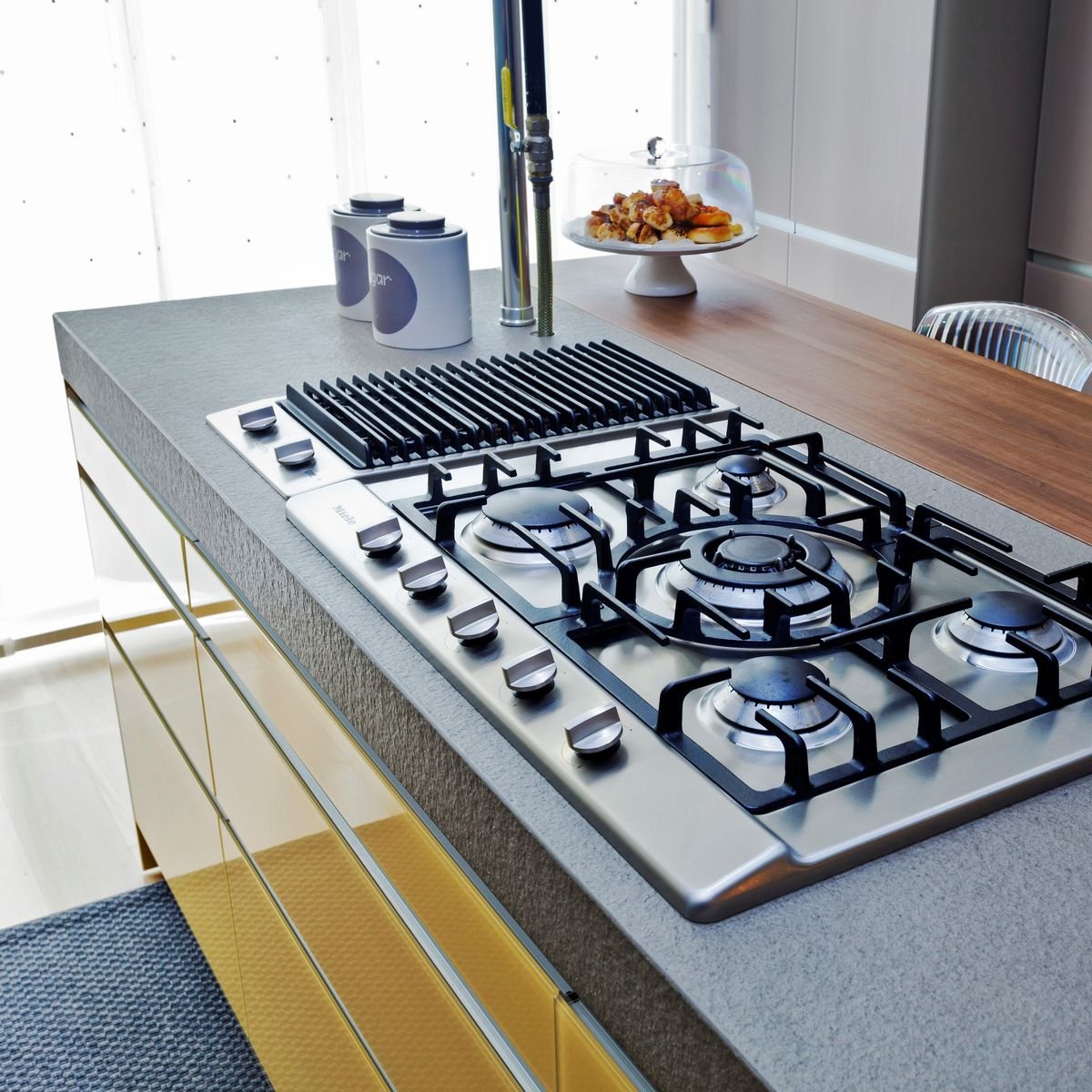
5 Fast Gas Stove Repair Basics Safety Fixes You Can Do Today
A gas stove is one of those quiet essentials in a home. It doesn’t ask for attention until something goes wrong—an uneven flame, a faint gas smell, a burner that refuses to light. And when it does, the urgency is real. Safety becomes the first priority, not convenience. The good news is that not every issue requires a technician. There are simple, practical fixes you can handle yourself, safely and confidently, if you understand what to look for and how to respond.
This guide is not just a list of tips. It’s a grounded walkthrough of how real people deal with common gas stove problems, blending awareness, caution, and hands-on action. These are five fast safety fixes you can do today—without special tools, without guesswork, and without putting yourself at risk.
understanding your gas stove before touching anything
Before jumping into fixes, it’s worth pausing to understand the basics of how a gas stove works. A standard gas stove relies on a controlled flow of gas, usually natural gas or LPG, which mixes with air and ignites at the burner. The flame you see depends on three things: gas pressure, clean pathways, and proper ignition.
If any of these three are off, you’ll notice it immediately. The flame may turn yellow instead of blue, burners might click endlessly without lighting, or worse, gas may escape without ignition.
The biggest mistake people make is treating symptoms without understanding causes. For example, a weak flame is often blamed on low gas supply, but in many cases, it’s just a clogged burner head.
So before you fix anything, ask yourself: Is this a supply issue, a blockage, or an ignition problem? That simple question narrows everything down.
fix 1: cleaning clogged burner ports for a steady flame
One of the fastest and safest fixes you can do is cleaning the burner ports. Over time, grease, food particles, and dust settle into the tiny holes where gas flows out. This disrupts the gas-air mixture and leads to uneven flames or weak heat.
You might notice flames coming out of only one side or flickering irregularly. That’s a clear sign the burner ports need attention.
Start by turning off the gas supply completely. Remove the burner cap and head carefully. If they feel stuck, don’t force them—wiggle gently until they loosen.
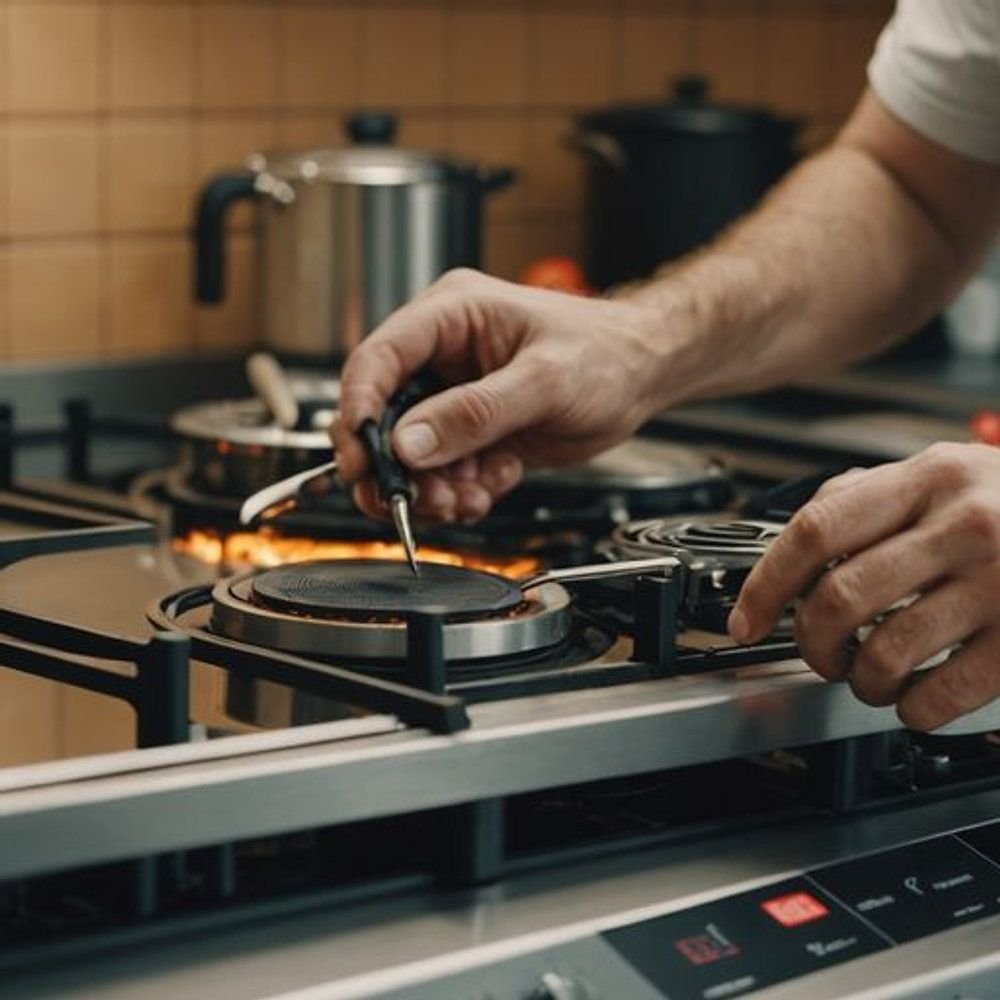
Once removed, inspect the holes. You’ll often see visible residue. A simple pin, needle, or toothpick works well to clear each port. Avoid using anything too thick that might widen the holes.
After that, soak the parts in warm soapy water for 10–15 minutes. This softens stubborn grease. Use a soft brush or old toothbrush to clean the surfaces.
Dry everything thoroughly before reassembling. Moisture inside burner parts can affect ignition.
When you turn the gas back on and ignite the burner, you should see a clean, even blue flame. It’s a small fix, but it makes a noticeable difference in performance and safety.
fix 2: checking and tightening loose gas connections
Gas leaks are serious, but not every leak is dramatic. Sometimes, it’s as subtle as a loose connection between the gas pipe and the stove. This can happen over time due to movement, cleaning, or simple wear.
If you ever notice a faint gas smell near your stove, don’t ignore it. But also don’t panic—there’s a safe way to check.
Turn off the gas supply first. Then inspect the connection points. These are usually where the rubber hose meets the stove inlet or the wall outlet.
Look for cracks, wear, or loose fittings. If the connection seems loose, gently tighten it by hand. Avoid using excessive force or tools unless you’re sure of what you’re doing.
For a more reliable check, you can use soapy water. Apply it to the connection areas and turn the gas supply on slightly. If bubbles form, there’s a leak.
If tightening stops the bubbles, you’ve fixed the issue. If not, the hose or connector might need replacement, which is still a manageable task but requires more care.
Never use a flame to check for leaks. That’s a dangerous myth that still circulates.
This fix is quick but critical. A secure connection ensures gas flows only where it should—into your burners, not your kitchen.
fix 3: fixing ignition problems by cleaning the igniter
Modern gas stoves often use automatic ignition systems. You turn the knob, hear a clicking sound, and the burner lights up. When this stops working, it’s frustrating—but often easy to fix.
The most common cause is dirt or grease buildup around the igniter. This small component creates the spark needed to ignite the gas. If it’s blocked or dirty, the spark may weaken or disappear.
Start by disconnecting the stove from power if it uses electric ignition. Safety first.
Locate the igniter—it’s usually a small ceramic or metal piece near the burner. If it looks dirty, that’s likely the issue.
Use a dry cloth or a soft brush to clean it. For stubborn grime, a slightly damp cloth works, but make sure it’s completely dry before testing.
Also check the spacing. The igniter should be close enough to the burner to create a spark gap. If it’s bent or misaligned, gently adjust it back.
Once cleaned, reconnect the power and test the ignition. In many cases, the clicking returns to normal, and the burner lights instantly.
If there’s still no spark, the issue might be electrical, which goes beyond basic fixes. But cleaning the igniter solves the majority of cases.
fix 4: adjusting the air shutter for a clean blue flame
A healthy gas flame is blue. If your stove produces yellow or orange flames, it’s not just inefficient—it can also produce soot and carbon monoxide.
This usually means the gas isn’t mixing with enough air. The solution lies in adjusting the air shutter, a small component that controls airflow into the burner.
Not all stoves make this easy, but many allow access beneath the burner or through the back panel.
Before adjusting anything, turn off the gas and let the stove cool completely.
Locate the air shutter—it’s typically a small adjustable plate or opening near the burner tube. By opening or closing it slightly, you can change the air intake.
Turn the gas on and ignite the burner while observing the flame. Adjust the shutter slowly. Opening it increases air, which should turn the flame bluer. Closing it reduces air, making the flame more yellow.
The goal is a steady blue flame with minimal flickering.
This fix requires a bit of patience, but once set correctly, it improves both safety and cooking performance.
fix 5: replacing worn-out burner caps and seals
Sometimes, the issue isn’t dirt or alignment—it’s wear and tear. Burner caps, seals, and rings degrade over time. They may warp, crack, or simply lose their shape.
When this happens, the flame becomes uneven, and ignition may fail even if everything else is working fine.
Inspect your burner caps closely. Do they sit flat? Are there visible cracks or discoloration? If something looks off, it probably is.
Replacing these parts is straightforward. Most are designed to be lifted off and swapped without tools. Just make sure you get the correct size and type for your stove.
Seals around gas connections also deserve attention. A worn seal can lead to minor leaks or pressure issues. If you notice stiffness or damage, replacing the seal is a smart move.
These replacements are inexpensive but make a significant difference. Think of them as maintenance rather than repair.
small habits that make these fixes last longer
Doing these fixes once is helpful. Building habits around them is what keeps your stove safe in the long run.
Wipe spills immediately. Food debris is the number one cause of clogged burners.
Avoid using excessive water when cleaning. Moisture can seep into components and affect ignition.
Check connections monthly, even if everything seems fine.
Listen to your stove. Unusual sounds—like irregular clicking or hissing—often signal early problems.
And most importantly, never ignore the smell of gas. Even if it turns out to be nothing, it’s always worth checking.
a practical mindset toward safety
There’s a tendency to either overreact or underreact when it comes to gas appliances. Some people panic at minor issues, while others ignore warning signs until they become serious.
The balanced approach is awareness without fear.
These five fixes are not about turning you into a technician. They’re about giving you control over common situations. When you understand what’s happening and how to respond, you reduce risk naturally.
It’s also about knowing your limits. If a problem persists after these fixes, or if you’re unsure at any point, calling a professional is the right move.
Safety isn’t about doing everything yourself. It’s about doing the right things at the right time.
real-life perspective: why these fixes matter
Many kitchen accidents don’t come from major failures. They come from small, ignored issues—a slightly loose connection, a dirty burner, a delayed ignition.
These are easy to fix early and difficult to manage later.
People often delay action because the stove still “works.” But functioning doesn’t always mean safe.
Taking 15–20 minutes to clean, check, and adjust your stove can prevent bigger problems down the line. It’s a small investment with a high return—peace of mind.
frequently asked questions
- how often should I clean my gas stove burners
Ideally, you should do a light cleaning weekly and a deeper cleaning once a month. If you cook frequently, you may need to clean burner ports more often to prevent clogging. - is it safe to fix a gas stove myself
Yes, for basic issues like cleaning burners, tightening connections, or adjusting airflow. However, anything involving internal components or persistent gas leaks should be handled by a professional. - why is my gas stove flame yellow instead of blue
A yellow flame usually means incomplete combustion due to poor air mixing. Adjusting the air shutter or cleaning the burner often resolves this issue. - what should I do if I smell gas in my kitchen
Turn off the gas supply immediately, avoid using electrical switches, open windows for ventilation, and check connections. If the smell persists, leave the area and contact a professional. - why does my burner click but not light
This is often due to a dirty or misaligned igniter. Cleaning it and ensuring proper positioning usually fixes the problem. - when should I replace parts instead of repairing them
If parts like burner caps, seals, or hoses show visible damage, cracks, or wear, replacement is the safer option. Repairs may only provide temporary relief.
closing thoughts
A gas stove doesn’t demand much, but it deserves attention. These five fixes are simple, practical, and effective. They don’t require expertise—just a bit of care and awareness.
When you take control of small problems early, you prevent bigger ones later. That’s the real goal: not just fixing what’s broken, but keeping everything working safely, quietly, and reliably in the background of your daily life.

