

7 Simple Gas Stove Repair Basics Safety Tips for Families
A gas stove is one of those everyday household tools that quietly does its job—until something goes wrong. Whether it’s a burner that won’t light, a faint smell of gas, or uneven flames while cooking, these issues can quickly turn from minor inconvenience into serious safety concerns. For families, especially those with children or elderly members at home, understanding basic gas stove repair and safety practices is not just helpful—it’s essential.
This article takes a practical, real-life approach to gas stove safety and simple repair basics. It avoids technical overload and focuses instead on what you can actually do at home, when to act, and when to call a professional.
- Always start with safety before any repair
Before touching any part of a gas stove, the first step is always to ensure that the environment is safe. Gas appliances involve flammable fuel, so even a small mistake can lead to dangerous consequences.
If you suspect a problem, such as a burner not lighting or a weak flame, do not immediately start dismantling parts. Instead, turn off the gas supply completely. Most homes have a main gas valve near the stove or outside the house. Make sure it is fully closed before inspecting anything.
If you smell gas, do not attempt any repair at all. Open windows and doors immediately to ventilate the space. Avoid turning on electrical switches, lights, or appliances, as even a small spark can ignite gas. Leave the area and contact a professional technician or gas company.
Families often underestimate how quickly gas can accumulate in a closed space. Making safety your first instinct prevents accidents before they happen.
- Learn how your stove actually works
You don’t need to be a technician to understand the basics of your gas stove. In fact, having a simple understanding can help you identify problems early and avoid unnecessary risks.
A typical gas stove has three key components: the gas supply line, the burner assembly, and the ignition system. Gas flows through pipes into the burner, where it mixes with air. When ignited, it produces a flame used for cooking.
Modern stoves often use automatic ignition systems, while older models may require manual lighting. If the ignition system fails, the burner may not light even if gas is flowing.
Knowing these basics helps you recognize whether an issue is related to gas flow, ignition, or blockage. For example, if you hear clicking but see no flame, the ignition might be working but gas isn’t reaching the burner. If there’s no clicking sound at all, the ignition system could be faulty.
Understanding these small differences can guide your next step safely.
- Keep burners clean and free from blockage
One of the most common causes of gas stove problems is something surprisingly simple: dirt and food residue.
Over time, grease, spilled food, and dust can clog the tiny holes in the burner. This affects how gas flows and burns, leading to uneven flames, yellow flames, or difficulty lighting.
Regular cleaning is one of the easiest and most effective ways to prevent repair issues. Remove the burner caps and soak them in warm, soapy water. Use a soft brush or a pin to gently clean clogged holes, but avoid forcing anything that could damage the burner.
Make sure all parts are completely dry before reassembling. Moisture inside the burner can interfere with ignition and gas flow.
For families that cook frequently, especially with oily or spicy foods, cleaning the stove at least once a week can significantly reduce the chances of malfunction.
- Watch the flame color carefully
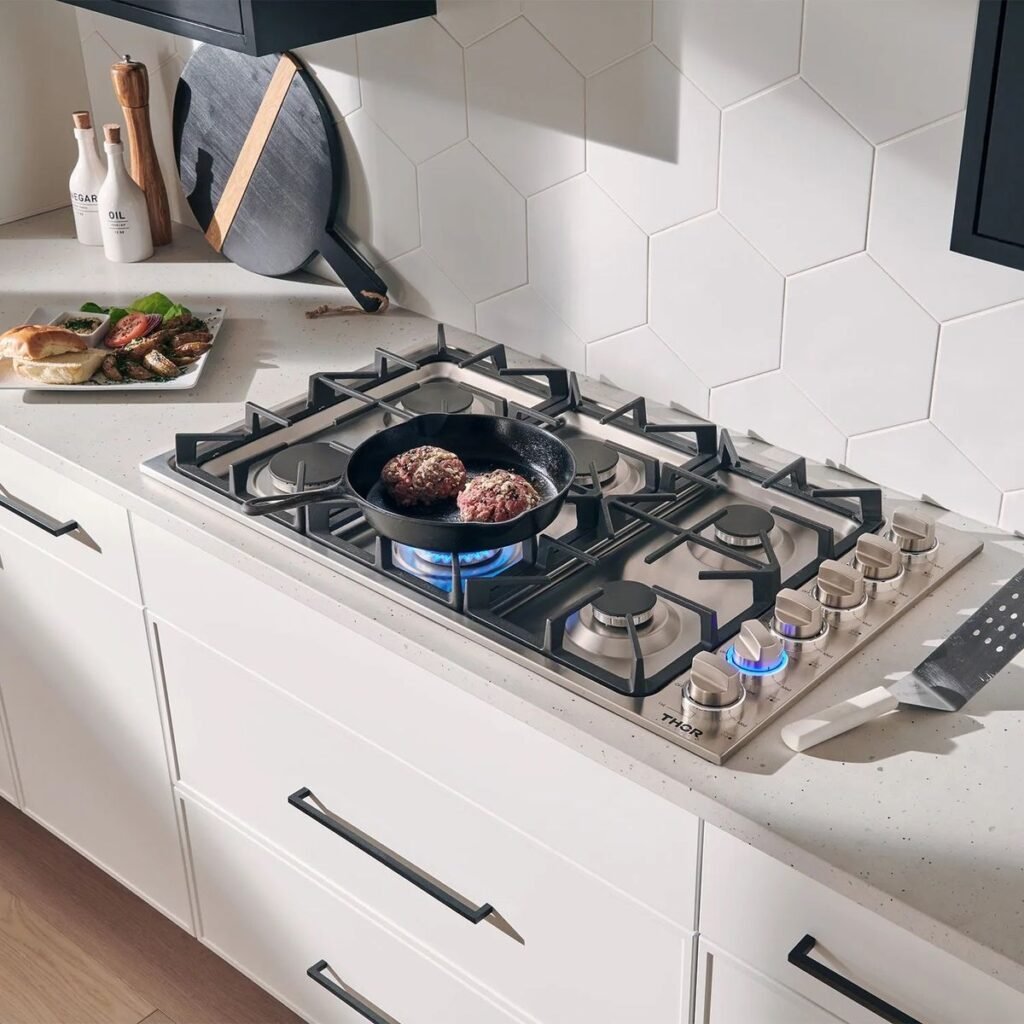
The color of the flame tells you a lot about your stove’s condition. A healthy gas flame should be blue and steady. If you notice yellow or orange flames, it’s a sign that something isn’t right.
Yellow flames often indicate incomplete combustion, which can produce carbon monoxide—a dangerous and potentially deadly gas. This can happen due to clogged burners, poor air circulation, or incorrect gas pressure.
If cleaning the burners doesn’t restore the blue flame, it’s best to stop using the stove and consult a professional. Do not ignore unusual flame colors, especially in homes with children or elderly individuals who may be more vulnerable to gas exposure.
Teaching family members to notice and report flame changes is a simple yet powerful safety habit.
- Check for gas leaks using simple methods
Gas leaks are among the most serious risks associated with gas stoves, but they can sometimes be detected with simple household techniques.
One common method is the soap solution test. Mix water with a small amount of dish soap and apply it to gas pipe connections and joints. If you see bubbles forming, it indicates a leak.
This test should be done carefully and only when you are sure there is no strong gas smell present. Never use a flame to check for leaks.
If a leak is detected, do not attempt to fix it yourself unless it is a minor issue like a loose connection that can be safely tightened. Even then, proceed cautiously. For anything beyond simple tightening, call a qualified technician.
Installing a gas leak detector in your kitchen is also a wise investment. It adds an extra layer of protection for your family.
- Handle ignition problems with care
Ignition issues are common, especially in stoves with electronic igniters. If the stove clicks but doesn’t light, or doesn’t click at all, there could be several reasons.
First, check if the burner is clean and properly aligned. Sometimes, a slightly misplaced burner cap can prevent ignition. If the stove uses batteries for ignition, replacing them might solve the problem.
If the igniter is wet, dry it thoroughly before trying again. Moisture can disrupt the spark.
However, avoid repeatedly trying to ignite a burner that isn’t lighting. Gas may accumulate during repeated attempts, increasing the risk of sudden ignition or explosion.
If basic checks don’t resolve the issue, it’s safer to stop and seek professional help rather than experimenting further.
- Know when to stop and call a professional
One of the most important aspects of gas stove safety is recognizing your limits. While basic cleaning and simple checks are manageable at home, certain repairs require professional expertise.
If you encounter persistent gas smells, damaged pipes, malfunctioning regulators, or internal component failures, do not attempt to fix them yourself. These situations involve risks that go beyond simple troubleshooting.
Hiring a certified technician may seem like an extra expense, but it is far less costly than dealing with accidents or damage caused by improper repairs.
For families, especially those with young children, prioritizing safety over saving money is always the better choice.
Creating a safe kitchen environment for the whole family
Beyond repairs, creating a safe kitchen environment involves habits and awareness. Keep flammable materials away from the stove, such as curtains, paper towels, and plastic items.
Teach children not to play near the stove and to inform an adult if they smell gas or notice something unusual. Make sure elderly family members understand basic safety steps, especially if they use the kitchen independently.
Regularly inspect hoses, connections, and the overall condition of the stove. Even a quick visual check once a month can help catch problems early.
Installing proper ventilation, such as an exhaust fan or chimney, also helps reduce gas buildup and improves air quality in the kitchen.
The role of routine maintenance
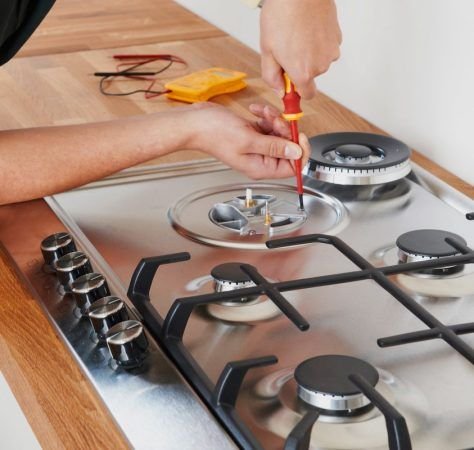
Routine maintenance is often overlooked, but it plays a crucial role in preventing major issues. Instead of waiting for something to break, adopt a proactive approach.
Schedule periodic inspections by a professional, especially if your stove is several years old. Replace worn-out parts before they fail completely.
Keep a simple checklist for your household: clean burners, check flame color, inspect connections, and ensure proper ventilation. These small steps, when done consistently, make a big difference.
Why awareness matters more than technical skill
You don’t need advanced technical knowledge to keep your gas stove safe. What matters more is awareness and attentiveness.
Noticing unusual sounds, smells, or changes in performance can help you act quickly. Ignoring small warning signs often leads to bigger problems.
Families that stay informed and cautious are far less likely to experience accidents. Safety is not about being perfect—it’s about being alert and prepared.
Frequently Asked Questions (FAQs)
- What should I do if my gas stove won’t light?
Start by checking if the gas supply is turned on. Clean the burner and ensure it is properly positioned. If the ignition system isn’t working, try replacing batteries if applicable. If the problem continues, call a technician instead of forcing it. - Is it safe to use a stove with a yellow flame?
No, a yellow flame indicates incomplete combustion and possible carbon monoxide production. Stop using the stove and inspect it. If cleaning doesn’t fix the issue, seek professional help. - How often should I clean my gas stove burners?
Ideally, clean them once a week if you cook regularly. This prevents blockages and ensures proper flame performance. - Can I repair a gas leak myself?
Only very minor issues, like tightening a loose connection, may be handled carefully. For anything else, it’s safer to call a professional. Gas leaks can be extremely dangerous. - Why does my stove make a clicking sound but not light?
This usually means the ignition system is working, but gas isn’t reaching the burner or the burner is blocked. Cleaning and proper alignment often help, but persistent issues require professional inspection. - Is it necessary to install a gas detector at home?
While not mandatory, it is highly recommended. A gas detector provides early warning of leaks and adds an extra layer of safety for your family.
A gas stove is a reliable and efficient cooking tool, but like any appliance, it requires attention and care. By following these simple repair basics and safety tips, families can ensure a safer kitchen environment while avoiding unnecessary risks. Small actions—like cleaning regularly, observing flame color, and knowing when to call for help—can make a significant difference in keeping your home safe.

