
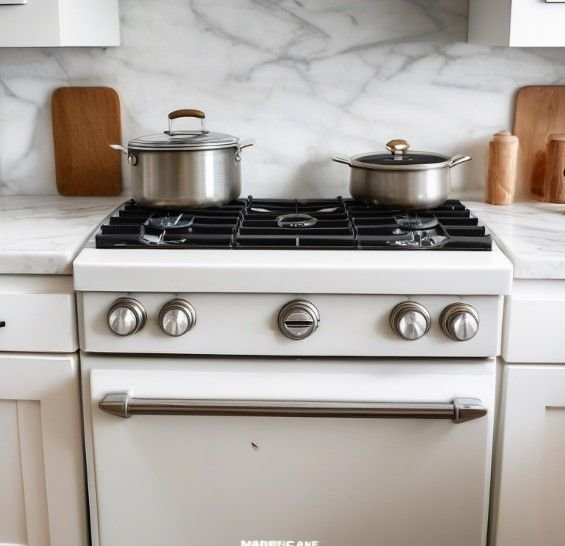
Let me be honest with you — the first time I helped install a gas stove, I was sweating more than I ever did cooking on one. My brother-in-law had just moved into a new apartment, the old electric range was gone, and we thought, “How hard can it be?” Famous last words.
We got through it fine, but not without a few near-mistakes that taught me a lot. If you’re about to install a gas stove for the first time — whether you’re replacing an old unit or setting up from scratch — these tips are going to save you time, stress, and maybe a costly repair call.
1. Know What You’re Working With Before You Touch Anything
Before you even slide that stove out of the box, take 20 minutes to understand your kitchen setup. This sounds obvious, but most beginners skip it.
Check whether your home has natural gas or liquid propane (LP). This matters enormously — most stoves are factory-set for natural gas, and if your home uses LP, you’ll need a conversion kit. Using the wrong gas type can cause weak flames, yellow-tipped burners, or worse.
Also look at your existing gas line connection point. Is it on the left side of the wall? The right? Behind the stove? Some kitchens have awkward placements that require a flexible connector of a specific length. Measure that distance before buying anything.
Quick checklist before you start:
- Gas type (natural gas vs LP)
- Location of the shutoff valve
- Size of the existing gas line fitting
- Whether you have a 110V outlet nearby (for the igniter)
- Ventilation situation (range hood or over-the-range microwave?)
2. Never Skip the Flexible Gas Connector — And Buy the Right One
This is where a lot of first-timers go wrong. Some people try to reuse the old connector from the previous stove. Please don’t do that.
Gas connectors have a lifespan, and an old or corroded one isn’t worth the risk. Always buy a new certified flexible stainless steel connector — look for the AGA (American Gas Association) certification mark on the packaging.
A few things to keep in mind:
- Length matters: Get one long enough to give the stove a few inches of flex when you pull it forward for cleaning. Usually 5 or 6 feet works well.
- Diameter matters: Most residential connectors are ½ inch, but double-check your gas line specs.
- Never use Teflon tape on flared gas fittings — use it only on NPT (threaded) connections. This confused me the first time; flared connections rely on a metal-to-metal seal.
If you’re unsure, the folks at your local hardware store (Home Depot, Lowe’s, or a plumbing supply shop) can point you in the right direction once you describe your setup.
3. The Leak Test Is Non-Negotiable
I don’t care how confident you feel after making the connection — you test for leaks. Every single time.
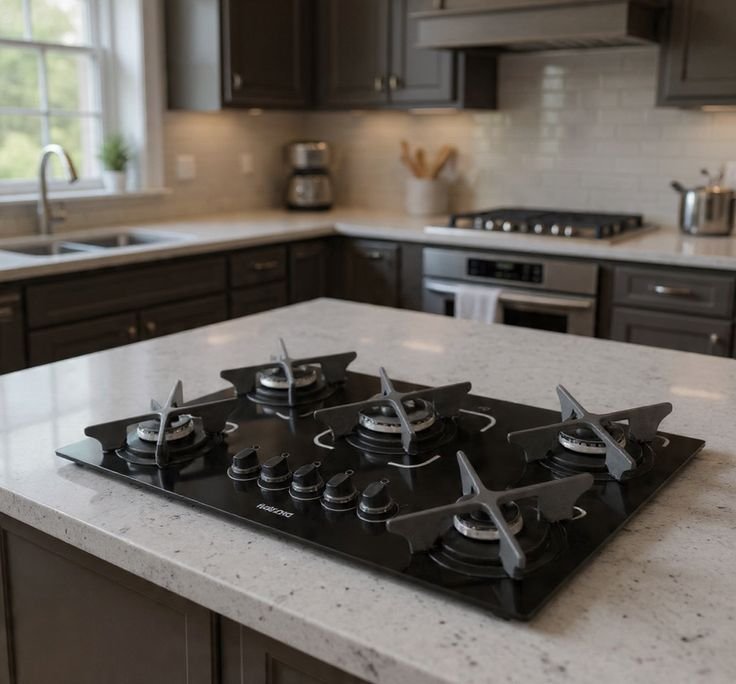
The classic method is simple: mix some dish soap with water, brush it onto every connection you just made, then slowly turn the gas back on. If you see bubbles forming, you have a leak. Tighten the connection and test again.
There are also gas leak detector sprays (like the ones from Rectorseal or Gasoila) that are more reliable than soapy water. Worth keeping one in your toolkit.
What you should NOT do:
- Never test for leaks with an open flame
- Don’t assume silence means safety
- Don’t skip the test because “it felt tight when I tightened it”
One thing I learned the hard way — even a tiny, slow leak can build up gas in an enclosed kitchen over hours. Turn the stove off, open windows, and call a professional if you’re not 100% sure the connection is sealed.
4. Level the Stove — Seriously, It Matters More Than You Think
A stove that’s even slightly off-level will drive you crazy. Your pots will tilt. Liquids will pool to one side. Pancakes will slide. And if it’s bad enough, it can actually affect how the burners distribute heat.
Most gas stoves come with adjustable feet (little threaded legs at the bottom corners). Use a bubble level — a basic one from any hardware store works fine — and adjust those feet until the stove is perfectly level front-to-back and side-to-side.
This takes maybe 10 minutes but makes a noticeable difference in daily cooking. Don’t skip it just because the stove “looks straight.”
| Leveling Direction | Tool Needed | Common Issue if Skipped |
|---|---|---|
| Front to back | Bubble level | Pots tilt, oil pools at back |
| Side to side | Bubble level | Uneven heat distribution |
| All four corners | Wrench for feet adjustment | Wobbling stove, rattling sounds |
5. Understand Anti-Tip Brackets — They’re Not Optional
This one surprised me when I first learned about it. Gas stoves — especially freestanding ones — can actually tip forward if someone leans on the open oven door. This is a real safety hazard, especially in homes with kids.
That’s why most modern stoves come with an anti-tip bracket that bolts or clips to the floor and locks into one of the rear stove legs. Installation takes about 15 minutes with a drill and a screwdriver.
Check the documentation that came with your stove — the bracket should be included in the box. If it’s not (like if you bought a used unit), you can often order one directly from the manufacturer by model number.
Don’t skip this. It’s a safety device, and ignoring it is one of those gas stove repair basics safety ideas that prevent accidents you’ll regret overlooking.
6. Proper Ventilation Setup Is Part of the Installation
A lot of beginners think the stove installation ends the moment the gas is connected and the burners light up. But ventilation is part of the equation too.
Gas combustion produces moisture, carbon monoxide, nitrogen dioxide, and other byproducts. Without proper ventilation, these can build up indoors over time.
Here’s what you need to consider:
Range hood clearance: Most manufacturers recommend 24 to 30 inches between the cooking surface and the bottom of the hood. Check both the stove and hood manuals — they sometimes give different numbers, and you want to satisfy both.
Ducted vs ductless: A ducted hood that vents outside is far more effective than a recirculating one. If you have the option, go ducted.
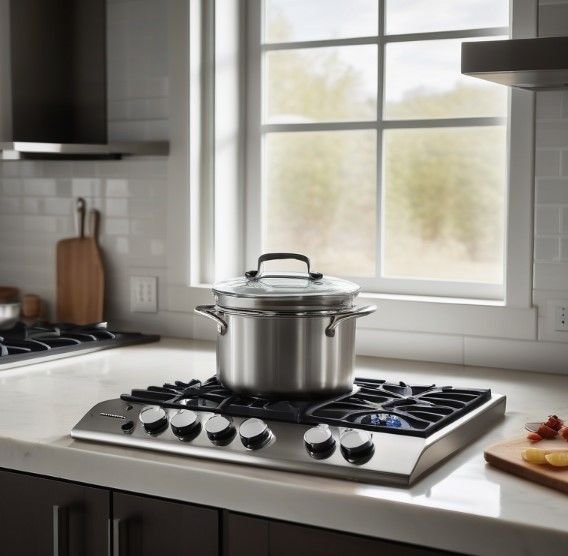
CFM rating: For a standard 4-burner gas stove, a range hood with at least 400 CFM (cubic feet per minute) is a reasonable starting point. High-BTU stoves may need more.
If you’re installing in a small or poorly ventilated kitchen, a carbon monoxide detector is a smart addition — it’s cheap insurance.
7. Do the First Burn-In Properly
Once everything is connected, leveled, and tested — resist the urge to immediately cook a full meal. Do a burn-in first.
Here’s why: new stoves often have protective coatings, oils, and manufacturing residues inside the oven cavity. Burning these off before your first real cook prevents that chemical smell from getting into your food.
How to do a basic burn-in:
- Remove all packaging materials, zip ties, and foam inserts from inside the oven
- Remove the oven racks and wash them with warm soapy water
- Put the racks back in and set the oven to 400°F (or about 200°C)
- Run it for 30–45 minutes with the kitchen well-ventilated (open a window)
- Let it cool completely before cooking anything
You may notice some smoke and a mild smell — that’s normal. If it’s heavy smoke or a strong chemical odor that doesn’t go away, something is wrong and you should contact the manufacturer.
For the burners, just run each one on high for a minute or two to burn off any residue from the factory or shipping.
Common Mistakes First-Timers Make (And How to Avoid Them)
Let me save you from the ones I’ve either made or seen others make:
Mistake 1: Over-tightening the gas fittings You’d think tighter = safer. Not always. Over-tightening flared fittings can actually crack the flare and create a leak. Snug is enough — use two wrenches (one to hold, one to turn) and stop when resistance firms up.
Mistake 2: Forgetting to check the shutoff valve location Before anything else, know exactly where the shutoff valve is and make sure it actually turns. Old valves sometimes seize up. If yours doesn’t budge, call your gas company — don’t force it.
Mistake 3: Ignoring the installation manual Every stove model has specific clearance requirements, connector size specs, and venting guidelines. The generic advice online (including this article) is a starting point, not a substitute for your specific manual.
Mistake 4: Connecting before removing the transit bolts (on slide-in models) Some ranges have transit bolts securing the oven rack or door. Connecting and lighting up without removing these can cause damage or uneven rack behavior.
Mistake 5: Not testing all burners after installation Light every burner, turn each one up and down, and test the oven at multiple temperatures. Do this before you put the stove into its final position against the wall — it’s a lot easier to troubleshoot before it’s pushed back in. If you’re dealing with ignition issues after setup, these 9 easy gas stove troubleshooting steps are a solid reference.
A Few Tools Worth Having on Hand
You don’t need a full toolkit, but these make the job much easier:
- Two adjustable wrenches (for making and holding gas connections)
- Bubble level (for leveling the stove)
- Leak detector spray (more reliable than soapy water)
- Flashlight or headlamp (those connections are often in dark spots)
- Measuring tape (for connector length and clearance checks)
- Drill + screwdriver (for the anti-tip bracket)
When to Call a Professional Instead
Look — there’s no shame in calling a licensed gas fitter or plumber. In fact, in some regions, it’s required by code. Here are situations where I’d strongly recommend professional help:
- Your gas line needs to be extended or rerouted
- The shutoff valve is corroded or won’t turn
- You smell gas and can’t identify the source
- You’re converting from natural gas to LP (or vice versa) and aren’t comfortable with the process
- Your home is older and the existing gas line isn’t up to current standards
A professional installation typically costs $100–$300 depending on your area, and honestly, for the peace of mind alone, it’s worth it.
Real Talk: Is This a DIY Job?
For most people replacing an existing gas stove in a kitchen that already has a working gas line and proper connections? Yes, with care and patience, this is a manageable DIY project.
But “manageable” doesn’t mean “rush it.” The single biggest mistake people make is treating it like a furniture assembly project. Gas appliances deserve a slower, more methodical approach.
Take your time on the connection. Test everything. Don’t assume. And if at any point something feels off — stop, shut the gas valve, and figure it out before moving forward. You’ll also want to build good habits early — understanding things like basic maintenance tips that extend stove life will save you headaches down the road.
The first time you cook a proper meal on a stove you installed yourself? Genuinely satisfying. Just make sure you do it right.
Also worth reading: 10 Proven Gas Stove Repair Basics Fixes That Actually Work — great follow-up once your stove is up and running.

