
9 Easy Gas Stove Repair Basics Troubleshooting Fixes That Work
There is something quietly frustrating about a gas stove that refuses to cooperate. One moment you are preparing a simple meal, the next you are standing in front of a burner that won’t ignite, a flame that flickers unpredictably, or a smell that makes you uneasy. Most people immediately think of calling a technician, but the truth is that many common gas stove issues can be understood and fixed with a bit of patience, observation, and a basic understanding of how things work.
This is not about turning you into a professional repair expert. It is about giving you practical, grounded knowledge so you can deal with everyday stove problems confidently. Think of it like learning how to listen to your stove—the small signals it gives before something goes wrong.
Below are nine easy troubleshooting fixes that actually work, along with practical insights, small habits, and lessons learned from real-life experiences.
- When the burner won’t light
You turn the knob, hear the clicking sound, but nothing happens. This is one of the most common issues, and thankfully, one of the easiest to fix.
The first thing to check is whether gas is actually reaching the burner. If you don’t smell gas at all, the supply might be turned off or restricted. Make sure the gas valve is open. Sometimes, especially after cleaning or maintenance, it gets turned off and forgotten.
If gas is present but there is no ignition, the problem is often dirt or moisture. Food particles and grease can block the tiny holes where gas flows. Remove the burner cap and inspect it closely. A simple cleaning with a soft brush or even a toothpick can clear the blockage.
Another overlooked factor is moisture. If you’ve recently cleaned the stove, water may be trapped around the ignition area. Let everything dry completely before trying again.
Small tip: Try lighting the burner with a matchstick once (carefully). If it lights, the issue is with the ignition system, not the gas flow.
- Weak or uneven flame
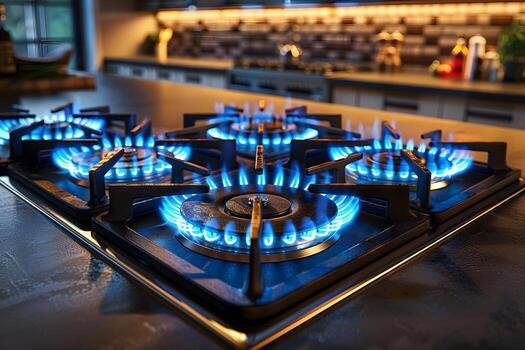
A proper gas flame should be steady and blue. If you notice yellow tips or uneven burning, it usually points to incomplete combustion.
The cause is often clogged burner ports. Over time, oil and dust settle into these tiny openings. Remove the burner and clean it thoroughly. You don’t need fancy tools—warm water, mild detergent, and a pin or needle can do the job.
Another reason could be improper air-gas mixture. Most stoves have an air shutter near the burner tube. If it’s misaligned, the flame won’t burn efficiently. Adjusting it slightly can improve flame quality.
Real-life habit: Make it a weekly routine to wipe down burners. It prevents buildup before it becomes a problem.
- Clicking sound but no spark
The clicking sound comes from the igniter trying to create a spark. If you hear it but don’t see a spark, something is interfering with the process.
Check the igniter tip. It might be dirty or covered in grease. Clean it gently with a dry cloth. Avoid using water directly on electrical components.
Also, inspect for cracks. If the ceramic part of the igniter is damaged, it may need replacement.
Sometimes, the issue is not visible. Moisture in the ignition system can cause continuous clicking without ignition. Let the stove dry for a few hours or overnight.
A simple observation can save time: Turn off the lights and try igniting. If you see a faint spark somewhere else, the spark may be misdirected due to dirt or damage.
- Gas smell when stove is off
This is not something to ignore. Even a faint gas smell can indicate a leak.
Start by checking if any burner knobs are slightly open. It happens more often than people think. A knob that isn’t fully turned off can slowly release gas.
Next, inspect the connections. Apply a soap-water solution to the gas pipe and joints. If bubbles form, there is a leak.
Tighten loose connections carefully. If the leak persists, it’s safer to call a professional.
Important habit: Always ventilate the area immediately if you smell gas. Open windows and avoid using electrical switches.
- Burner flame goes out suddenly
If your flame keeps going out, especially while cooking, it can be frustrating and dangerous.
One common cause is a blocked burner. Even partial blockage can disrupt gas flow enough to extinguish the flame.
Another reason could be strong air drafts. Open windows, fans, or even a ceiling fan directly above the stove can affect the flame.
Also, check the thermocouple if your stove has one. This safety device shuts off gas if it doesn’t detect heat. If it’s dirty or faulty, it may cut gas supply prematurely.
Practical tip: Observe when the flame goes out. Is it when you lower the heat? Or when wind hits it? Patterns help identify the root cause.
- Knobs are hard to turn
Over time, grease and dirt accumulate inside the knob mechanism. This makes turning them stiff or uneven.
Remove the knobs and clean the area underneath. Use a mild cleaner and a cloth. Avoid pouring water directly into the mechanism.
If the stiffness remains, a small amount of lubricant designed for appliances can help. Do not use cooking oil—it attracts more dirt.
Sometimes, the internal valve itself becomes worn out. In such cases, replacement is the safer option.
Lesson learned: Regular light cleaning prevents heavy buildup that leads to mechanical issues.
- Uneven cooking or low heat
You set the flame high, but the food still cooks slowly. This often points to restricted gas flow.
Check if the burner holes are partially blocked. Even small obstructions reduce efficiency.
Another possibility is low gas pressure. If you are using a cylinder, it might be running low. If connected to a pipeline, there may be a supply issue.
Also, ensure the cookware matches the burner size. Using a very large pan on a small burner can make heat seem insufficient.
A practical adjustment: Rotate your cookware occasionally. If one side cooks faster, the flame distribution may need attention.
- Ignition works intermittently
Sometimes the stove lights instantly, and other times it takes multiple attempts. This inconsistency can be annoying.
The most common reason is a loose connection in the ignition system. Check if wires are properly connected (only if you are comfortable doing so safely).
Moisture again plays a big role. Even slight dampness affects performance. Ensure the stove is dry after cleaning.
Battery-operated igniters (in some models) may need new batteries. It’s a small detail that often gets overlooked.
Quick fix habit: If ignition becomes inconsistent, start with the simplest check—dryness and cleanliness.
- Strange noises from the burner
A quiet hiss is normal, but loud popping or whistling sounds are not.
These noises usually indicate irregular gas flow. It could be due to blockages or misalignment of burner parts.
Disassemble the burner and reassemble it carefully. Make sure all parts sit properly.
Check for debris inside the burner tube. Even a small particle can disrupt flow and create noise.
Observation tip: Listen carefully. A steady sound means steady flow. Irregular sounds often match irregular flame behavior.
Bringing it all together
Gas stove troubleshooting is less about complicated tools and more about awareness. Most issues build up gradually—grease accumulation, slight misalignment, unnoticed moisture. The earlier you notice them, the easier they are to fix.
Here are a few everyday practices that make a big difference:
Clean lightly but regularly instead of deep cleaning rarely
Dry the stove completely after cleaning
Pay attention to changes in flame color and behavior
Avoid forcing knobs or parts
Act immediately when you notice unusual smells or sounds
Over time, you begin to understand your stove almost like a living system. It reacts, signals, and responds. And once you learn to read those signals, repairs become less intimidating and more manageable.
Frequently Asked Questions (FAQs)
- Why is my gas stove flame orange instead of blue?
An orange or yellow flame usually indicates incomplete combustion. This can be caused by clogged burner holes or improper air-gas mixture. Cleaning the burner and adjusting airflow typically solves the issue. - Is it safe to repair a gas stove by myself?
Basic cleaning and minor troubleshooting are generally safe if you follow precautions. However, anything involving gas leaks, internal valves, or major components should be handled by a professional. - How often should I clean my gas stove burners?
Light cleaning once a week and a deeper clean once a month is a good practice. Regular maintenance prevents most common issues. - What should I do if I smell gas in my kitchen?
Immediately turn off the gas supply, open windows for ventilation, and avoid using electrical switches. Check for leaks using soapy water. If unsure, contact a professional. - Why does my igniter keep clicking even after the flame is on?
This often happens due to moisture or dirt around the igniter. Cleaning and drying the area usually fixes the problem. Persistent clicking may indicate a faulty switch. - Can low gas pressure affect cooking performance?
Yes, low gas pressure results in weak flames and uneven cooking. Check your gas supply source, whether it’s a cylinder or pipeline, to ensure proper pressure.
A gas stove is one of those everyday tools we rarely think about—until something goes wrong. But with a little attention and care, most problems can be handled without stress. The goal isn’t perfection; it’s confidence. And once you have that, even a stubborn burner doesn’t feel like a big problem anymore.

