


8 essential gas stove repair basics troubleshooting ideas that help
There’s a certain moment most people recognize: you turn the knob, expect a familiar blue flame, and instead get a weak flicker—or nothing at all. It’s inconvenient, sometimes frustrating, and occasionally a little worrying. A gas stove is one of those household fixtures we take for granted until it stops cooperating. The good news is that many common issues don’t require a technician or expensive parts. With a bit of patience, observation, and a willingness to get your hands slightly dirty, you can solve a surprising number of problems yourself.
This isn’t just a checklist of fixes. It’s a practical, lived-in guide built around real troubleshooting thinking—the kind you develop after dealing with the same stubborn burner for years. Each idea builds on the understanding that small details often reveal bigger clues.
understanding how your gas stove actually works
Before diving into repairs, it helps to know what’s going on beneath the surface. A gas stove operates through a simple system: gas flows through a valve, mixes with air, and ignites at the burner. The ignition can be manual (matchstick or lighter) or automatic (spark ignition). When something goes wrong, it’s usually because one of these steps is interrupted.
Gas flow issues, blocked burners, faulty igniters, or even moisture can disrupt the process. Instead of guessing blindly, think of troubleshooting as a process of elimination—start with the simplest possibilities and work your way up.
idea 1: always start with cleaning before fixing
This sounds almost too simple, but it’s the most overlooked step. Grease, food particles, and spills gradually build up around burners and ports. Over time, these tiny obstructions interfere with gas flow and ignition.
Remove the burner caps and heads. Take a close look—are the holes clogged? Even a thin layer of grime can weaken the flame. Use a soft brush, toothpick, or a pin to gently clear the openings. Avoid using anything too sharp that might widen the holes.
Warm, soapy water works well for soaking removable parts. Let them dry completely before reassembling. Moisture trapped inside burner ports can temporarily block ignition, leading to confusion if you don’t realize what’s happening.
A personal observation: many “broken” stoves aren’t broken at all—they’re just dirty.
idea 2: check the igniter for spark and sound
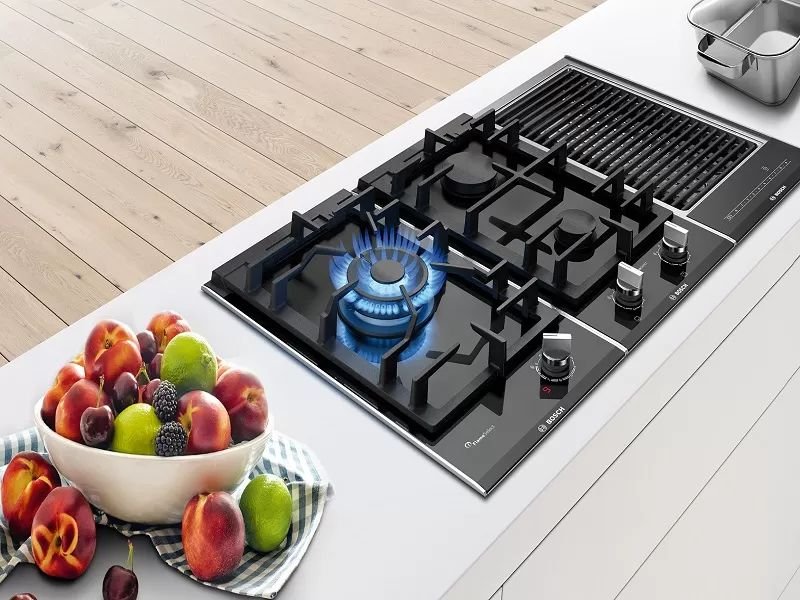
If your stove uses an automatic ignition system, you’ll typically hear a clicking sound when you turn the knob. That clicking is the igniter producing a spark.
No sound? No spark? Then the issue may lie in the ignition system. But don’t jump straight to replacing parts. First, check if the igniter is wet or covered in grease. A dirty igniter won’t spark effectively.
Clean it gently with a dry cloth or a soft brush. If it’s still not working, observe closely in low light—can you see a faint spark? Sometimes it’s there but too weak to ignite gas consistently.
If the igniter clicks continuously even after the flame is lit, that’s another issue—usually moisture or a stuck switch beneath the knob. Letting the stove dry out for a few hours can sometimes solve it.
idea 3: uneven flame is a clue, not just a problem
A healthy flame should be blue and evenly distributed. Yellow or orange flames often indicate incomplete combustion, usually due to poor air-to-gas ratio or dirty burners.
Uneven flames—strong on one side, weak on another—point toward blocked burner holes. This ties back to cleaning, but it also suggests where to focus your effort.
Sometimes the burner cap isn’t seated properly. It might look fine at a glance but sit slightly off-center. Adjust it carefully and try again. That small shift can restore a balanced flame.
If the flame lifts off the burner or makes a hissing sound, it could mean too much air is mixing with the gas. In older stoves, you can adjust the air shutter, but newer models are usually factory-set.
idea 4: gas flow issues aren’t always what they seem
When a burner won’t light, it’s tempting to assume there’s no gas. But gas flow problems are often localized rather than system-wide.
Try another burner. If it works, your gas supply is fine. The issue is specific to the non-working burner.
Remove the burner head and inspect the gas inlet. Sometimes debris blocks the path where gas exits into the burner. A gentle cleaning can restore flow.
Also consider the control knob. If it feels loose or turns too easily without resistance, the internal valve might be worn out. That’s one situation where replacement may be necessary.
idea 5: moisture can silently cause multiple issues
Water is an underrated culprit in stove problems. After cleaning or a spill, moisture can seep into ignition components or burner ports.
Symptoms include:
- clicking without ignition
- weak or delayed flame
- inconsistent sparking
If you suspect moisture, patience is your best tool. Let the stove air-dry completely. You can speed up the process by leaving it in a warm, ventilated area or using a fan.
Avoid using the stove until it’s fully dry. Ignition systems are sensitive, and even a small amount of moisture can disrupt them.
idea 6: listen to your stove—it tells you more than you think
Troubleshooting isn’t just visual; it’s auditory. The sounds your stove makes can reveal a lot.
A steady clicking means the igniter is working. Rapid or erratic clicking might indicate a short circuit or moisture issue. No sound at all could point to electrical failure or a disconnected wire.
A soft whoosh when lighting is normal. A loud pop, however, suggests delayed ignition—gas is building up before igniting. This often happens when burner holes are partially blocked.
Pay attention to these details. They help narrow down the cause without unnecessary guesswork.
idea 7: don’t ignore the knobs and switches
We often focus on burners and igniters, but control knobs play a crucial role. Beneath each knob is a switch that triggers the igniter.
If one burner doesn’t spark but others do, the issue might be with that specific switch. Remove the knob and check for dirt or grease buildup. Cleaning this area can restore functionality.
If the knob feels stuck or doesn’t turn smoothly, don’t force it. That could damage the valve. Instead, clean around it and apply gentle pressure.
In some cases, replacing a faulty switch is easier than expected and doesn’t require advanced skills.
idea 8: know when a problem is bigger than a quick fix
While many issues are manageable at home, some signs indicate a more serious problem:
- persistent gas smell
- burners that won’t turn off
- damaged gas lines
- repeated ignition failures despite cleaning
These situations go beyond basic troubleshooting. Safety should always come first. If you’re unsure, it’s better to call a professional than risk a dangerous outcome.
That said, developing basic troubleshooting skills helps you distinguish between minor inconveniences and real hazards.
bringing it all together: the mindset behind troubleshooting
What separates effective troubleshooting from random attempts is mindset. Instead of reacting emotionally—frustration, impatience—approach the problem with curiosity.
Ask yourself:
What changed recently?
Is the issue consistent or occasional?
Does it affect all burners or just one?
These questions guide your actions. They turn a vague problem into a specific one, which is always easier to solve.
Over time, you start noticing patterns. A burner that acts up after cleaning likely has moisture issues. One that weakens gradually probably needs thorough cleaning. A silent igniter might point to an electrical fault.
This kind of awareness saves time and prevents unnecessary repairs.
small habits that prevent bigger problems
Prevention is often simpler than repair. A few small habits can keep your stove running smoothly:
Wipe spills immediately instead of letting them harden.
Clean burners regularly, even if they seem fine.
Avoid excessive water during cleaning.
Check burner alignment after reassembling.
These actions take minutes but reduce the chances of future issues significantly.
real-life perspective: why these basics matter
Gas stove problems rarely appear out of nowhere. They build up quietly—bit by bit—until something stops working. By the time you notice, the cause has often been there for weeks.
Learning these basics doesn’t just fix current issues; it changes how you interact with your appliance. You become more attentive, more responsive, and less dependent on external help for minor problems.
There’s also a certain satisfaction in solving something yourself. Not just because it saves money, but because it builds confidence. The next time your stove acts up, you won’t feel stuck—you’ll have a starting point.
frequently asked questions
- why is my gas stove clicking but not lighting?
This usually happens when the igniter is working but gas isn’t reaching the burner or isn’t igniting properly. Common causes include clogged burner holes, moisture, or misaligned burner caps. - what does a yellow flame mean on a gas stove?
A yellow flame indicates incomplete combustion, often due to dirty burners or improper air-to-gas ratio. Cleaning the burner ports usually resolves this. - can I use water to clean my gas stove burners?
Yes, but use it carefully. Always dry the components completely before reassembling. Moisture can interfere with ignition and cause temporary issues. - why does my stove make a popping sound when lighting?
A popping sound often means gas is building up before ignition. This is usually caused by partially blocked burner holes delaying the flame. - how often should I clean my gas stove burners?
Light cleaning can be done weekly, while a deeper clean should be done every few weeks depending on usage. Regular maintenance prevents most common problems. - when should I call a professional for gas stove repair?
If you notice a persistent gas smell, damaged components, or repeated failures that don’t improve with basic troubleshooting, it’s safer to seek professional help.
closing thoughts
Gas stove troubleshooting isn’t about memorizing fixes—it’s about understanding behavior. Each issue tells a story, and once you learn how to read it, solutions become clearer.
These eight ideas aren’t complicated, but they’re powerful when applied thoughtfully. They turn a frustrating situation into a manageable one, and over time, they make you more capable of handling everyday challenges with confidence.
The next time your stove hesitates, sputters, or refuses to light, you won’t see it as a mystery. You’ll see it as a puzzle—and you’ll know exactly where to begin.

