

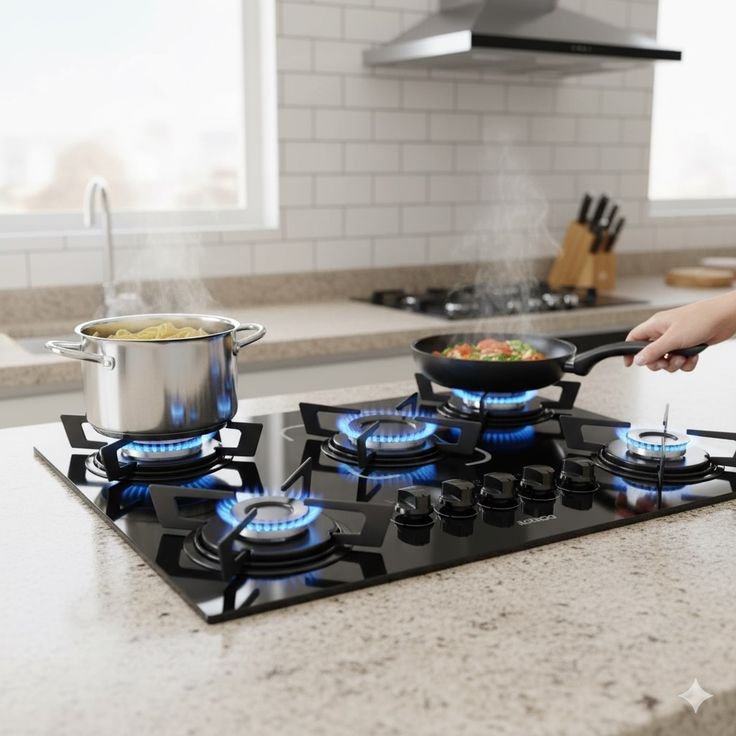
9 Essential Gas Stove Safety Rules You Should Never Ignore
There’s something quietly powerful about a gas stove. It’s fast, responsive, and familiar—whether you’re boiling tea in the early morning or preparing a full meal for your family. But behind that blue flame lies a system that demands respect. Gas, by nature, is efficient yet unforgiving when mishandled. Many households rely on it daily without fully understanding the small habits that keep everything safe.
This isn’t about fear—it’s about awareness. Because most gas stove accidents don’t happen due to dramatic failures; they happen because of tiny oversights repeated over time.
Let’s walk through nine essential safety rules, not as dry instructions, but as real-life practices you can actually live by.
- Always Check for Gas Leaks—Even When Everything Seems Fine
Gas leaks are rarely loud or obvious. Often, they creep in silently. The smell (that rotten egg odor added to gas) is your first clue—but by the time you notice it, the leak may already be significant.
Make it a habit:
- Before turning on the stove, pause for a second and notice the smell.
- Occasionally apply a simple soap-and-water solution to the pipe and joints. If bubbles form, there’s a leak.
- Listen carefully—sometimes leaks produce a faint hissing sound.
A short real-life moment:
You walk into the kitchen late at night. Something feels off—not strong, just a slight smell. Instead of ignoring it, you open the windows first, then check the stove knobs. That one decision could prevent something serious.
- Turn Off the Gas Supply When Not in Use
Many people rely only on the stove knobs, forgetting that the main gas valve exists for a reason.
The rule is simple:
- After cooking, especially at night or before leaving home, turn off the main gas supply.
- If you’re going away for a few days, make this non-negotiable.
Think of it like locking your front door. You wouldn’t leave it open just because you trust your neighborhood.
- Never Leave Cooking Unattended
This is one of the most common—and dangerous—habits.
Oil overheats. Milk boils over. Flames get extinguished by spills. All of these can quickly lead to gas buildup or fire hazards.
A quick scenario:
You step away “just for a minute” to check your phone. Meanwhile, the curry boils over and extinguishes the flame—but the gas keeps flowing.
Instead:
- Stay nearby when cooking.
- If you must leave, turn off the burner—even if it’s for a minute.
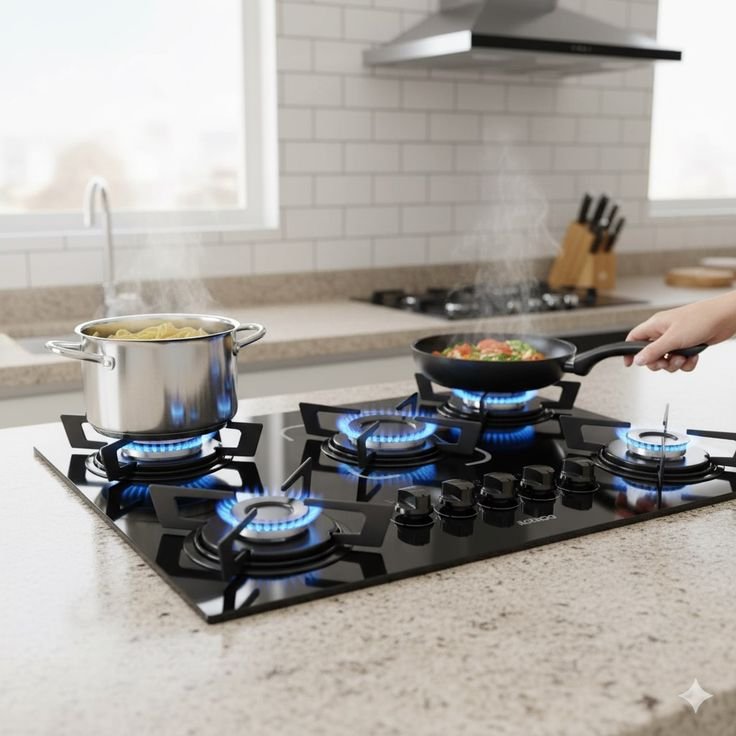
- Keep Flammable Materials Away from the Stove
It sounds obvious, yet kitchens are often cluttered.
Danger zones include:
- Dish towels hanging near burners
- Paper towels, packaging, or plastic containers
- Cooking oil bottles placed too close
Heat radiates beyond the flame. Even a small spark can ignite nearby materials.
A safer habit:
Create a “clear zone” around your stove—at least one foot on all sides. Nothing unnecessary should live there.
- Ensure Proper Ventilation in the Kitchen
Gas combustion produces carbon monoxide—a colorless, odorless gas that can be harmful in enclosed spaces.
If your kitchen lacks airflow, even normal cooking can become risky over time.
What helps:
- Open a window while cooking
- Use an exhaust fan or chimney
- Avoid sealing your kitchen completely
A simple check:
If your kitchen feels stuffy or smoky after cooking, that’s already a sign your ventilation needs improvement.
- Regularly Inspect and Maintain Your Stove
Gas stoves are not “install and forget” appliances.
Over time:
- Burners can clog
- Pipes can loosen
- Ignition systems can weaken
Make a routine:
- Clean burners weekly to prevent uneven flames
- Schedule a professional inspection every 6–12 months
- Replace worn-out pipes immediately
A healthy flame is blue and steady. If it turns yellow or flickers, that’s your stove asking for attention.
- Use the Right Utensils and Position Them Properly
Oversized pots or unstable cookware can create unexpected hazards.
Problems that arise:
- Flames spreading beyond the base of the utensil
- Pots tipping over
- Handles overheating and causing burns
Better habits:
- Match the pot size to the burner
- Turn handles inward to avoid accidental knocks
- Avoid placing heavy items on small burners
Cooking should feel controlled—not like balancing a risky setup.
- Keep Children and Pets at a Safe Distance
Curiosity doesn’t mix well with open flames.
Children may:
- Turn knobs unintentionally
- Reach for hot utensils
- Play with matches or lighters
Pets can:
- Jump onto counters
- Knock things over
Safety adjustments:
- Use stove knob covers if needed
- Teach children basic stove safety early
- Never leave the stove unattended around them
Think of your kitchen as an active zone—not a play area.
- Know What to Do in Case of Emergency
Safety isn’t just about prevention—it’s also about response.
If you smell gas:
- Do NOT switch on lights or electrical appliances
- Do NOT light a match
- Open doors and windows immediately
- Turn off the main gas supply
- Leave the area and call for help
If a fire starts:
- Turn off the gas supply if safe
- Use a fire extinguisher or cover flames with a lid (for small fires)
- Never use water on oil fires
Preparation changes everything. Panic decreases when you already know your next step.
A quick safety checklist you can remember
Keep this in mind as a daily rhythm:
- Smell before you light
- Stay while you cook
- Clear the space around the stove
- Turn off the main supply
- Let fresh air in
- Check your stove regularly
It’s not about doing something extra—it’s about doing the same things more consciously.
Why small habits matter more than big warnings
Most people don’t ignore safety because they don’t care. They ignore it because everything seems “fine.” And when something works fine for months or years, it builds a false sense of security.
But safety doesn’t fail suddenly—it erodes slowly.
- One loose pipe
- One distracted moment
- One blocked burner
These aren’t dramatic events. They’re ordinary moments that quietly build risk.
The goal isn’t perfection. It’s consistency.
A short reflection: your kitchen, your responsibility
Your gas stove is part of your daily life. It serves you every day without complaint. Respecting it isn’t complicated—it just requires attention.
Think about it:
You already follow routines—making tea, preparing meals, cleaning up. Adding safety to that routine doesn’t make life harder. It makes it smarter.
FAQs
- How often should I check my gas stove for leaks?
It’s best to do a quick smell check daily and a soap-water test at least once a month. Professional inspection should be done every 6–12 months. - What does a yellow flame mean on a gas stove?
A yellow or orange flame usually indicates incomplete combustion, which may be caused by clogged burners or insufficient oxygen. It’s a sign your stove needs cleaning or servicing. - Is it safe to use a gas stove without a chimney or exhaust fan?
Yes, but only if your kitchen has good natural ventilation like open windows. Without airflow, harmful gases can accumulate over time. - What should I do if the flame goes out while cooking?
Immediately turn off the gas knob. Wait a few minutes to let any accumulated gas disperse before relighting. - Can I leave low heat cooking unattended?
It’s not recommended. Even low heat can lead to spills, extinguished flames, or overheating. Always stay nearby. - How do I teach children gas stove safety?
Start with simple rules: don’t touch the stove, don’t play near it, and always ask an adult. Demonstrating safe behavior yourself is the most effective teaching method.
In the end, gas stove safety isn’t about memorizing rules—it’s about building awareness into everyday life. The more natural these habits become, the less you’ll have to think about them—and that’s exactly where real safety begins.

