

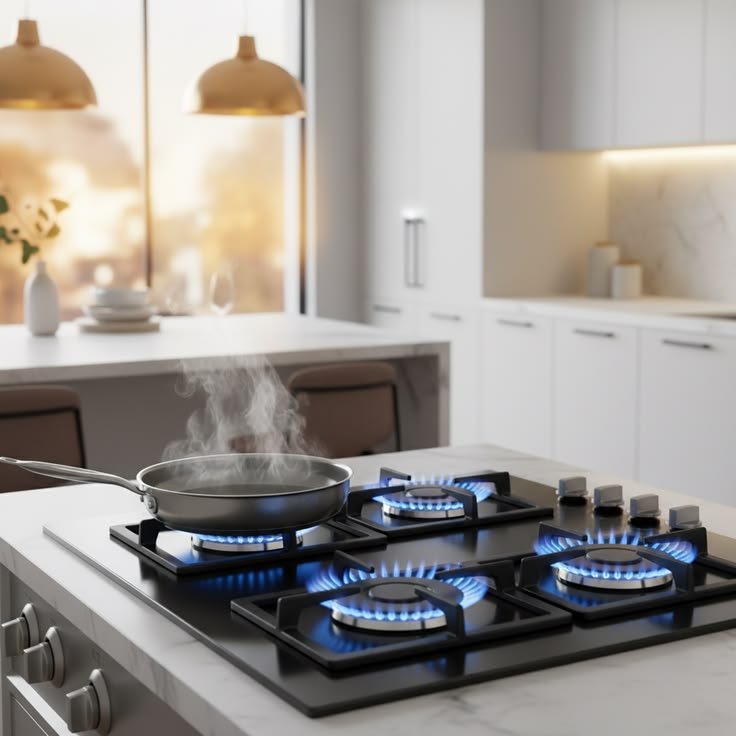
5 Easy Gas Stove Repair Fixes That Actually Work Fast
There’s a certain kind of frustration that only a faulty gas stove can create. You turn the knob, expecting that familiar click and flame, but instead you get a weak spark, an uneven burn, or worse—nothing at all. It disrupts routines, delays meals, and quietly adds stress to something that should be simple.
The good news is this: not every gas stove problem needs a technician, and not every fix requires expensive parts. In fact, many common issues can be solved quickly with a bit of awareness, patience, and a few practical techniques.
This guide isn’t just a list of fixes. It’s a hands-on, experience-driven walkthrough of five reliable solutions that actually work—fast. Along the way, you’ll also understand why these problems happen in the first place, so you’re not just fixing—you’re preventing.
- Clean the burner ports to restore an even flame
One of the most common and overlooked issues is a weak or uneven flame. If you’ve noticed that one side of your pan cooks faster than the other, or the flame looks patchy and yellow instead of blue, clogged burner ports are usually the culprit.
What’s really happening here is simple: food spills, grease, and dust gradually block the tiny holes around the burner. Gas can’t flow evenly, so the flame becomes inconsistent.
Here’s how to fix it quickly:
Turn off the gas supply completely and allow the stove to cool. Remove the burner cap and head. You’ll usually find small holes or slots around the burner ring. Use a thin pin, toothpick, or needle to gently clear each hole. Don’t force anything too hard—you don’t want to widen the ports.
After clearing, wash the burner parts in warm soapy water. Let them dry completely before reassembling. Moisture left behind can cause ignition issues later.
Once everything is back in place, turn the gas on and test the flame. You should notice an immediate improvement—clean, steady, and blue.
A small habit that makes a big difference: wipe your stove after cooking, especially if something spills. It reduces buildup and keeps your burners working longer without intervention.

- Fix ignition problems by drying and aligning the igniter
When your stove clicks but doesn’t light, it’s tempting to assume something is broken. In reality, ignition issues are often caused by moisture or misalignment.
Gas stoves rely on a spark electrode (igniter) to light the flame. If it’s wet, dirty, or slightly out of position, the spark won’t reach the gas properly.
Start by observing. When you turn the knob, do you hear clicking? If yes, your ignition system is working—it just needs a little help.
Here’s a quick fix:
Turn off the stove and unplug it if it has an electric ignition. Locate the igniter—it’s usually a small ceramic piece near the burner. If it looks wet or greasy, clean it gently with a dry cloth. For stubborn dirt, use a soft brush or an old toothbrush.
If moisture is the issue (which happens often after cleaning or spills), let it air dry or use a hair dryer on low heat for a minute or two.
Next, check alignment. The igniter should be positioned close enough to the burner to spark effectively. If it’s bent away, carefully adjust it back.
Turn the stove back on and test. A strong, consistent spark should now ignite the burner quickly.
This fix is surprisingly effective and takes less than ten minutes, yet it solves one of the most common complaints people have with gas stoves.
- Stop gas smell leaks with simple connection checks
A faint smell of gas is something you should never ignore. While serious leaks require professional help, minor connection issues can sometimes be resolved safely at home.
Before doing anything, ensure proper ventilation. Open windows and avoid using open flames during inspection.
Now, check the connections between the gas pipe, regulator, and stove. Over time, these joints can loosen slightly or develop tiny leaks.
A practical method to detect leaks:
Mix a bit of dish soap with water and apply it to the connections using a sponge or brush. Turn on the gas supply slightly (without lighting the stove). If you see bubbles forming, you’ve found the leak.
To fix it, tighten the connection gently using a wrench or by hand, depending on the type. Do not over-tighten, as that can damage the fittings.
If the smell persists or the bubbling continues even after tightening, stop immediately and seek professional assistance. Safety comes first.
Regularly checking connections—once every couple of months—can prevent this issue from ever becoming serious.
- Restore low flame issues by adjusting the air shutter
Sometimes the flame is present but too weak, even at higher settings. Cooking takes longer, and heat feels inconsistent. This often points to an air-gas mixture imbalance.
Gas stoves need the right ratio of air and gas to produce a strong, blue flame. If the air supply is restricted or misadjusted, the flame becomes lazy and inefficient.
This is where the air shutter comes in—a small adjustable component near the burner tube.
Here’s how to handle it:
Turn off the stove and let it cool. Remove the burner to access the tube beneath. You’ll find a small sliding or rotating shutter with an opening.
Light the burner (carefully) and adjust the shutter slightly. Opening it allows more air in, while closing it reduces airflow. Your goal is a steady blue flame—not yellow, not flickering.
Make small adjustments and observe changes. Once you find the optimal position, turn off the stove and reassemble everything securely.
This fix requires a bit of patience, but once done, it dramatically improves cooking performance and efficiency.
- Unblock the gas flow by cleaning the jet or nozzle
If a burner refuses to light at all, even after cleaning and ignition fixes, the problem may lie deeper—in the gas jet or nozzle.
This tiny component controls how gas flows into the burner. If it gets blocked, gas simply can’t reach the flame.
To fix this:
Turn off the gas supply completely. Remove the burner assembly to access the jet (usually located beneath the burner head). It’s a small brass fitting with a tiny hole.
Use a fine needle to gently clear the opening. Avoid using anything too thick, as enlarging the hole can alter gas flow permanently.
You can also blow air through it or use a soft brush to remove debris.
Once cleaned, reassemble the stove and test. In most cases, the burner will come back to life instantly.
This fix is especially useful if only one burner is affected while others work fine.
Bringing it all together: small fixes, big impact
What stands out across all these fixes is how simple they are. No specialized tools. No technical background. Just careful observation and a willingness to try.
Gas stoves are built to last, but like anything used daily, they need occasional attention. Most problems don’t appear overnight—they build up slowly. A weak flame today becomes a non-working burner tomorrow.
By addressing issues early, you not only save money but also extend the life of your appliance.
Even better, you gain confidence. The next time something goes wrong, you won’t panic—you’ll know exactly where to start.
Practical maintenance habits that prevent future issues
Wipe burners after every use, especially if food spills
Avoid excessive water while cleaning—moisture causes ignition problems
Check gas connections periodically
Keep burner holes clear
Use cookware that matches burner size for even heat
These small habits reduce the chances of breakdowns and keep your stove performing at its best.
FAQs
- Why is my gas stove flame yellow instead of blue?
A yellow flame usually indicates incomplete combustion, often caused by clogged burner ports or improper air-gas mixture. Cleaning the burner and adjusting the air shutter usually fixes the issue. - Is it safe to repair a gas stove at home?
Yes, for minor issues like cleaning burners or adjusting parts. However, if you smell strong gas or suspect a major leak, it’s safer to call a professional. - What should I do if my stove clicks but doesn’t ignite?
This usually means the igniter is wet, dirty, or misaligned. Cleaning and drying it typically solves the problem quickly. - How often should I clean my gas stove burners?
Light cleaning should be done weekly, while deeper cleaning (including burner ports) can be done once a month, depending on usage. - Can a blocked nozzle stop the burner from lighting?
Yes, completely. If gas cannot flow through the nozzle, the burner won’t ignite at all. Cleaning it carefully usually restores function. - Why does my stove smell like gas even when turned off?
This could indicate a loose connection or a small leak. Check joints using soapy water, and if the smell persists, seek professional help immediately.
A gas stove is one of those appliances you rarely think about—until it stops working. But with these quick, practical fixes, most problems can be handled in minutes instead of hours. And once you’ve done it yourself a couple of times, it stops feeling like a repair—and starts feeling like routine care.

