
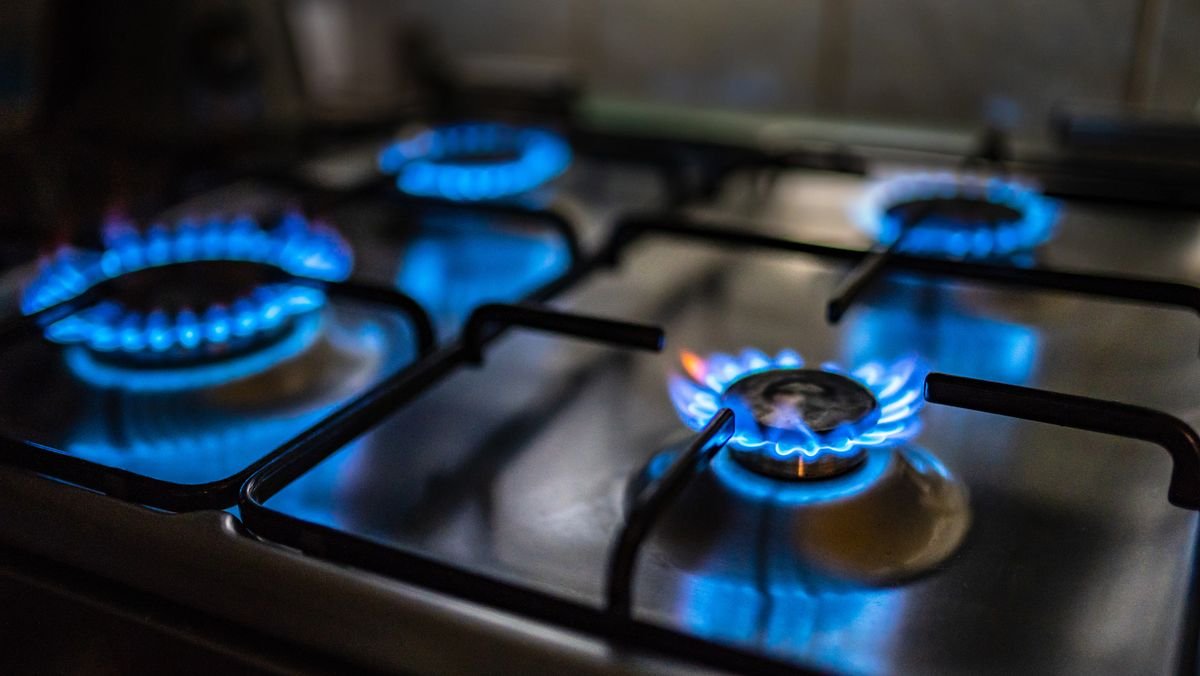
Last winter, I was in the middle of making biryani — the whole pot had been simmering beautifully — and then, nothing. The burner just went out. Clicking sounds, no flame. My first instinct was to call a repair guy. But it was a Sunday evening, rates were ridiculous, and honestly, how hard could it be?
Turns out, not that hard. That one incident sent me down a rabbit hole of gas stove troubleshooting, and I’ve picked up enough tricks to handle most common issues myself. I want to share those with you — no jargon, no scary technical stuff, just practical things a beginner can actually try.
Before anything else, please make sure the gas supply to your stove is working and there’s no smell of gas. If you ever suspect a gas leak, open windows, leave the house, and call your gas company. Safety first — always.
1. Clean the Burner Cap and Head First — It’s Almost Always This
You’d be shocked how many stove problems are just… dirty burners. Food residue, grease, and spilled liquids clog the tiny gas ports on the burner head. When the ports are blocked, gas can’t flow properly, so you either get no flame or a weak, uneven one.
What to do:
- Remove the burner cap (the flat circular piece on top).
- Take out the burner head (the star-shaped piece underneath).
- Soak both in warm, soapy water for 20–30 minutes.
- Use a toothpick or a thin needle to clear each small port hole.
- Dry everything completely before reassembling.
I made the mistake once of putting the burner head back while it was still a little damp. It clicked endlessly and wouldn’t light. Give it a full hour to air dry.
Quick Reference: Common Symptoms & Their Most Likely Cause
| Symptom | Most Likely Cause |
|---|---|
| Burner won’t light at all | Clogged ports or wet igniter |
| Flame is weak or yellow | Partially blocked ports |
| Clicking sound, no flame | Moisture in igniter or clogged port |
| Uneven flame | Misaligned burner cap |
| Flame goes out mid-cooking | Thermocouple issue |

2. Dry Out the Igniter After Spills
This one saved me after I boiled over a pot of milk. The igniter (that little ceramic pin near your burner) was clicking non-stop even with the knob turned off. It was wet.
Gas stove igniters are surprisingly sensitive to moisture. Even steam from a pot nearby can trigger this.
Fix:
- Turn off the stove and gas supply.
- Use a dry cloth to wipe around the igniter carefully.
- Let it air dry for an hour, or use a hairdryer on the lowest heat setting for a minute or two.
Don’t use water or cleaning sprays directly on the igniter — ever. This is probably the most common beginner mistake. You can read more about related ignition issues in 7 Powerful Gas Stove Repair Basics Ideas to Fix Ignition Problems.
3. Check the Burner Cap Alignment
This one sounds too simple to matter — but trust me, it does. If the burner cap is even slightly off-center or tilted, the flame will be uneven or the stove won’t light properly.
After cleaning or a vigorous wipe-down, the cap can shift without you noticing. Take 5 seconds and press the cap flat. Give it a small turn left and right to seat it properly. That’s it.
I once spent 20 minutes thinking my stove had a serious problem before my wife casually straightened the burner cap and it fired up instantly. I didn’t live that down for weeks.
4. Inspect the Spark Electrode for Damage
The spark electrode is that small white ceramic pin that creates the spark to light the gas. Over time, it can crack, chip, or get coated in grease — and when that happens, it either sparks weakly or not at all.
How to check:
- With the stove off and gas supply closed, visually inspect each igniter pin.
- Look for cracks, chips, or heavy discoloration (black carbon buildup is normal but heavy buildup is a problem).
- Gently clean carbon buildup with a cotton swab dipped in rubbing alcohol.
- Allow to fully dry before testing.
If the ceramic is cracked, the electrode needs to be replaced. This is a cheap part — usually available at any hardware store or online for a few hundred rupees. Replacing it is just a matter of unscrewing the old one and connecting the wire to the new one.
5. Test the Ignition Switch
How Gas Stove Ignition Works — at a Glance
Here’s a simplified view of what happens when you turn the knob:
Turn Knob → Ignition Switch Activates → Spark Module Gets Signal → Electrode Sparks → Gas Ignites → Flame OnIf the spark module or ignition switch is faulty, the spark never happens even if everything else is fine.
What you can check yourself:
- Remove the stove knob (they usually just pull straight off).
- Look behind it for the ignition switch — a small button or mechanism.
- Check if it’s physically stuck or corroded.
- Press it manually a few times to feel if it’s engaging properly.
If you hear no clicking at all when you turn any burner on, the problem is likely the spark module, which is a shared component. At that point, it’s better to call a technician — replacing the spark module is doable but requires more comfort with wiring.
For a full breakdown of troubleshooting steps you can try step by step, check out 9 Easy Gas Stove Repair Basics Troubleshooting Steps Anyone Can Try.
6. Fix a Weak or Yellow Flame
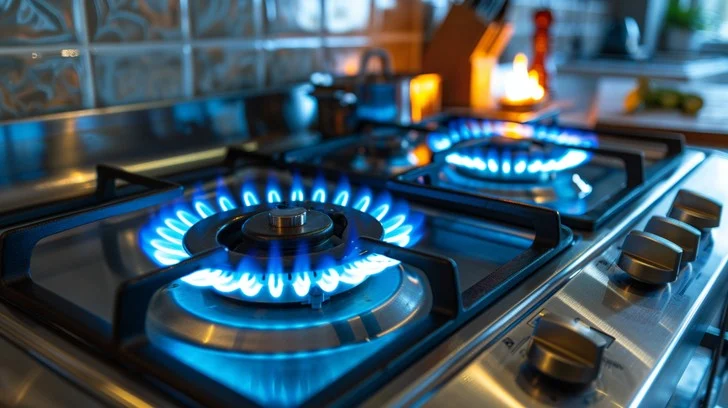
A healthy gas flame should be blue with maybe a small yellow tip. If your flame is mostly yellow or orange, or is noticeably weaker than it used to be, something’s off with the air-to-gas ratio.
Probable causes and fixes:
| Flame Appearance | Likely Cause | Fix |
|---|---|---|
| Yellow/orange, weak | Clogged burner ports | Clean ports with toothpick |
| Yellow, sooty smell | Too much gas, not enough air | Check air shutter (see below) |
| Blue but very small | Low gas pressure | Call your gas company |
| Uneven blue flame | Partially blocked ports | Soak and clean burner head |
The air shutter trick: On the underside of your burner (you may need to remove a panel), there’s a small adjustable sleeve called the air shutter. Rotating it slightly opens or closes the air intake. If your flame is too yellow, try opening the shutter a little more to let in more air. Do this in tiny increments.
I’ll be honest — I didn’t know this existed until I read about it. Once I adjusted it, my biggest burner went from a sad yellow wobble to a clean blue ring.
7. Check the Thermocouple on Older Stoves
Some gas stoves, especially older ones, have a thermocouple — a safety device that detects whether the flame is actually lit. If it can’t “sense” the flame, it shuts off the gas automatically.
Signs the thermocouple is acting up:
- The flame lights but goes out 30–60 seconds after you release the knob.
- You have to hold the knob down for a long time before the flame stays lit.
Basic fix:
- Locate the thermocouple — it’s a thin copper rod positioned right in the flame path.
- Check if it’s dirty or coated in residue. Gently sand it lightly with fine-grain sandpaper or clean with steel wool.
- Make sure it’s positioned properly in the flame path — it needs to be directly in the flame, not beside it.
If cleaning doesn’t help and the flame still won’t stay lit, the thermocouple needs replacing. It’s a beginner-friendly repair — the part is inexpensive and usually just unscrews.
For more maintenance habits that prevent these kinds of breakdowns, this article is really useful: 4 Smart Gas Stove Repair Basics Maintenance Lessons I Learned Late.
8. Know When to Stop and Call a Pro
This is probably the most important “trick” on the list.
There’s a clear line between DIY-friendly repairs and things that require a licensed technician. Crossing that line isn’t brave — it’s dangerous.
Stop and call a professional if:
- You smell gas and it doesn’t go away after airing out the kitchen.
- There’s a hissing sound from the gas line or valve.
- The stove sparks or shows electrical problems beyond the igniter.
- You’ve opened panels and are unsure what you’re looking at.
- Any repair involves the gas inlet valve or internal gas tubing.
A good rule of thumb: if it involves the gas supply itself rather than the burner or ignition, it’s beyond beginner territory.
Estimated Cost Comparison: DIY vs. Professional
| Repair Type | DIY Cost (approx.) | Technician Cost (approx.) |
|---|---|---|
| Cleaning burner ports | Free (your time) | PKR 500–1,000 |
| Replacing electrode | PKR 200–500 | PKR 1,500–2,500 |
| Replacing thermocouple | PKR 300–700 | PKR 2,000–3,500 |
| Spark module replacement | PKR 800–1,500 | PKR 3,000–5,000 |
| Gas valve/line issue | Do NOT DIY | PKR 5,000+ |
Common Mistakes Beginners Make
Here’s what I did wrong before I knew better — so you don’t have to:
- Putting wet parts back — always let burner components fully dry.
- Skipping the cleaning step and jumping straight to replacement.
- Using harsh chemicals on the igniter — soap and water or rubbing alcohol only.
- Forcing the burner cap into place — it should rest flat without pressure.
- Ignoring a yellow flame — it usually means something fixable but people just live with it.
Final Thoughts
Most stove problems sound scarier than they are. Nine times out of ten, a thorough clean and proper reassembly is all it takes. The tools you need — a toothpick, a toothbrush, some dish soap — are already in your kitchen.
The key is being methodical. Start with cleaning, then check alignment, then look at the electrical components. Don’t jump to conclusions or assume the worst.
And if something feels wrong — especially if gas is involved — put the tools down. There’s no shame in calling a technician for gas-related issues. That’s not a DIY area, and no biryani is worth the risk.
For more DIY-friendly stove fixes, you might enjoy reading: 6 Easy Gas Stove Repair Basics Repairs That Took Me 10 Minutes
Frequently Asked Questions
Q1: My stove makes a clicking sound even when it’s off. What’s causing it?
This is almost always moisture. Liquid has gotten into the igniter — from a spill, steam, or even humidity. Let the stove dry completely. Use a hairdryer on a low setting around the igniter area. The clicking should stop once it’s dry. If it continues for more than a day, the igniter switch itself may be stuck or worn out.
Q2: Can I use my gas stove if only one burner isn’t working?
Yes, the other burners should work independently. However, figure out what’s causing the issue before assuming it’s isolated — if the spark module is shared (which it often is), all burners rely on it. If only one burner fails to light but clicks normally, it’s likely a burner-specific issue like clogged ports or a damaged electrode.
Q3: How often should I clean my burner heads to prevent problems?
A light clean every 2 weeks (wiping the cap surface) and a deep clean — soaking, port-clearing, full dry — every 1 to 2 months depending on how much you cook. If you cook heavy, oil-heavy food frequently, clean more often.
Q4: Is it safe to repair a gas stove yourself?
For anything involving the burner, cap, igniter, or thermocouple — yes, with care. These components work independently from the gas supply line. But anything involving the internal gas tubing, gas valve, or the main inlet should be handled by a certified technician. When in doubt, don’t proceed.
Q5: Why does my flame go out right after I release the knob?
This is a classic thermocouple problem. The thermocouple senses heat to confirm the flame is on, and if it’s dirty, misaligned, or faulty, it shuts the gas off as a safety measure. Try cleaning and repositioning it first. If the problem persists, replacing the thermocouple is the next step — it’s a straightforward, inexpensive repair.

