
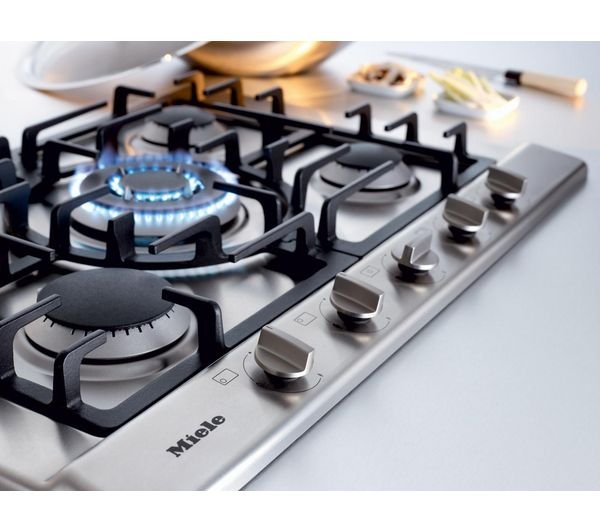
I’ll be honest — I never really thought about gas stove safety until the day I smelled something weird in my kitchen and couldn’t figure out where it was coming from. Turns out, I had left a burner on the tiniest possible setting, so low the flame was almost invisible. That was the moment I realized I had been using my gas stove for years without actually knowing what I was doing safety-wise.
And I’m not alone. Most people treat their gas stove like a microwave — just press a button and forget about it. But a gas stove is one of the few appliances in your home that can genuinely hurt you if you’re not paying attention.
So here’s what I’ve learned — sometimes the hard way — about the safety rules that most people (including me, for a long time) completely ignore.
1. Always Check the Burner Before You Walk Away
This sounds so basic that it’s almost embarrassing to mention. But hand on heart — how many times have you turned a burner “off” and just walked out of the kitchen?
The problem with most gas stoves is that the knobs don’t always give you clear feedback. You think you’ve turned it to off, but it’s actually sitting on that tiny flame position. I’ve done this more times than I’d like to admit.
What I do now: After turning off any burner, I physically press the knob in and give it a firm turn to the off position, then I look at the burner surface. No flame. No glow. Then I leave.
It takes literally two extra seconds and has already saved me from at least three potential disasters.
Quick rule of thumb:
| Action | Safe? |
|---|---|
| Turn knob and walk away | ❌ Not recommended |
| Turn knob, visually confirm no flame | ✅ Always do this |
| Press and turn knob to OFF, confirm | ✅ Best practice |
2. Never Ignore the Clicking Sound After the Flame Starts
You know that clicking sound your stove makes when you’re trying to ignite a burner? It’s supposed to stop once the flame is lit. But sometimes — especially when the igniter is dirty or wet — it just keeps clicking even after the flame is going.
Most people ignore this. I did too. “It’ll stop,” I’d think. And sometimes it does. But if it keeps going for more than a few seconds after ignition, that’s your stove trying to tell you something.
Continuous clicking usually means:
- The igniter cap is wet or dirty
- Food debris is blocking the burner ports
- The igniter electrode is cracked or misaligned
I found a really helpful breakdown of this in an article about 8 Smart Gas Stove Repair Basics Solutions for Clicking Igniters — it explained that something as simple as wiping the igniter with a dry cloth can solve the problem instantly.
The safety concern: When the igniter keeps clicking while the flame is already on, there’s a micro chance of it causing uncontrolled ignition if gas builds up around it. It’s rare, but it’s real.
Fix it fast — here’s what to do:
- Turn off the burner immediately
- Let the stove cool completely
- Remove the burner cap and grate
- Clean around the igniter with a dry toothbrush
- Dry everything thoroughly before relighting
3. Ventilation Isn’t Optional — It’s Non-Negotiable
This is the one that surprises people the most when I bring it up. They’ll say, “I’ve been cooking on gas for 20 years without opening a window.” And sure, they haven’t died. But that doesn’t mean everything’s fine.
Gas stoves produce carbon monoxide, nitrogen dioxide, and other combustion byproducts every single time they’re used. In a well-ventilated kitchen, these dissipate quickly. In a closed kitchen — especially a smaller one — they build up.
I started using a basic carbon monoxide detector in my kitchen after reading about a family in a small apartment who had persistent headaches for months before realizing their gas stove was the culprit. It wasn’t a gas leak — it was just poor ventilation during cooking.
Signs of poor kitchen ventilation during cooking:
- Headaches while cooking or shortly after
- Feeling drowsy or dizzy near the stove
- Eyes watering more than usual
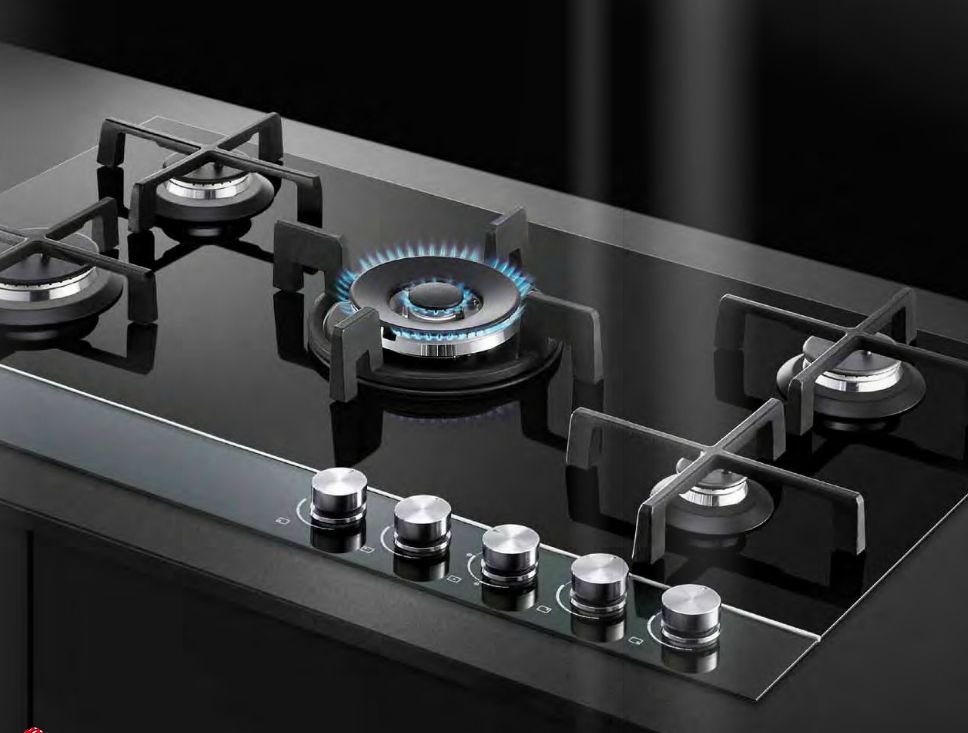
- Stove flame burning yellow instead of blue
That last one is important. A healthy gas flame should be blue. A yellow or orange flame means incomplete combustion, which equals more carbon monoxide being released.
Ventilation checklist:
| Situation | Recommended Action |
|---|---|
| Cooking for less than 10 minutes | Open a nearby window |
| Cooking for 30+ minutes | Use exhaust fan + open window |
| Using multiple burners | Full ventilation + exhaust fan on high |
| Small or enclosed kitchen | Always use exhaust fan, no exceptions |
4. Stop Storing Things on Top of or Around Your Stove
Walk into most family kitchens and you’ll find oils, wooden spoons, paper towels, dish rags, maybe even a cookbook sitting right next to the stove. I’m guilty of this. My mother is very guilty of this.
Here’s the uncomfortable truth: the leading cause of kitchen fires in homes isn’t a gas leak — it’s flammable items placed too close to the burner.
Even if something isn’t directly on the flame, if it’s within 12–18 inches and you’re using high heat, it can ignite. Paper towels, plastic bags, loose-fitting curtains, wooden chopping boards, plastic containers — all of these have started real kitchen fires.
The 18-inch rule: Nothing flammable within 18 inches of any active burner. Period.
I know it’s inconvenient. But what’s more inconvenient — reorganizing your counter, or dealing with a kitchen fire?
Things people commonly keep near stoves (that they absolutely shouldn’t):
- Paper towels
- Cooking oil bottles (especially in plastic)
- Oven mitts left sitting on the counter
- Dish towels draped over the handle
- Decorative items like artificial flowers or plants
- Cereal boxes or food packaging
Move them. Put them in a cabinet. Get into the habit of clearing your stovetop area before you cook, not after.
5. Know What a Gas Leak Actually Smells Like — and What to Do
Natural gas itself is odorless. The smell you associate with a gas leak — that sulfur or rotten egg smell — is actually added to the gas by suppliers on purpose, specifically so people can detect leaks.
Most people vaguely know this. But what most people don’t know is how to respond correctly when they smell it.
What most people do: Sniff around, look at the stove, maybe turn a knob, and then light the stove to “check.”
What you should never do:
- Turn any electrical switches on or off
- Use your phone (sparks from phone connections can ignite gas)
- Try to find the source by lighting anything
- Assume the smell will go away on its own
What you should actually do:
- Don’t touch any switches or electronics
- Leave the kitchen immediately — get everyone out
- Leave the front door open as you exit
- Call your gas company from outside the house or from a neighbor’s phone
- Don’t re-enter until the gas company clears it
The hardest part of this is fighting the urge to investigate. Our instinct is to find the problem and fix it. But with a gas leak, your job is just to leave and call for help.
I also recommend learning how to use your gas shutoff valve before there’s an emergency. It’s usually located near your gas meter. Knowing where it is and how it works takes less than five minutes, and it can make a huge difference in an actual emergency.
6. Clean Your Burner Ports Regularly — It’s a Safety Issue, Not Just Maintenance
This one surprises most people because they think dirty burners are just a cooking performance issue. “My flame is a little uneven, big deal.”
But clogged burner ports aren’t just an efficiency problem — they’re a genuine safety hazard.
When ports are blocked by food debris, grease, or old cleaning products, gas doesn’t flow evenly. This creates pockets where gas accumulates and then ignites unevenly or all at once. It can cause:
- Flash-back flames
- Unexpected flare-ups
- Burner caps cracking from uneven heat distribution
I have a friend who had a small but very scary flash-back incident — she turned on a burner and there was a brief but intense burst of flame that singed her hand. The cause? A buildup of grease and food debris blocking the ports unevenly.
Here’s a simple cleaning routine that takes about 15 minutes once a month:
Step-by-step burner port cleaning:
- Make sure all burners are completely off and cooled
- Remove the grates and burner caps
- Use a straightened paper clip or a fine needle to gently clear each port hole
- Soak the burner caps in warm soapy water for 10–15 minutes
- Scrub gently with a soft brush (an old toothbrush works perfectly)
- Rinse and dry completely before replacing
- Never put wet burner caps back — moisture can cause uneven ignition
For more detailed guidance on keeping burners in top shape, this article on 6 Essential Gas Stove Repair Basics Cleaning Steps for Perfect Burners is genuinely worth bookmarking.
Burner Cleaning Frequency Guide:
| Usage Level | Recommended Cleaning |
|---|---|
| Light cooking (1–2 times/week) | Every 6–8 weeks |
| Regular cooking (daily) | Every 3–4 weeks |
| Heavy cooking (multiple times/day) | Every 1–2 weeks |
| After any spill or boil-over | Immediately, once cooled |
Common Mistakes People Make With Gas Stove Safety
Beyond the six rules above, there are a few patterns I keep seeing — mistakes that seem harmless but add up over time.
Using the stove as a heat source. When it’s cold, some people crack open the oven door to warm the kitchen. This produces carbon monoxide indoors and is genuinely dangerous. Use a heater.
Leaving children unsupervised near the stove. Kids can turn knobs without adults noticing. Stove knob covers exist for exactly this reason — they’re cheap and worth it.
Not replacing old or worn burner parts. If your igniter sparks but consistently fails to light, or if you’re noticing yellow flames regularly even after cleaning, it may be time to actually replace parts rather than just clean them. There’s a useful resource on 10 Proven Gas Stove Repair Basics Fixes That Actually Work that walks through when repair vs. replacement makes more sense.
Trusting smell alone for leak detection. Some people (especially those with sinus issues or a reduced sense of smell) may not notice a gas leak by smell. A gas detector device is an inexpensive way to add a real safety net to your kitchen.
A Quick Summary Before You Go
Here’s the thing about gas stove safety — none of these rules are difficult. They just require a small shift in habit and awareness. It’s not about being paranoid. It’s about respecting the fact that you’re working with a combustible fuel source every single day.
The 6 rules, at a glance:
| # | Rule | Why It Matters |
|---|---|---|
| 1 | Visually confirm burner is off | Prevents undetected gas flow |
| 2 | Fix continuous igniter clicking | Reduces risk of uncontrolled ignition |
| 3 | Always ventilate while cooking | Prevents CO buildup |
| 4 | Keep flammables 18″ away | Reduces fire risk dramatically |
| 5 | Know gas leak protocol | Can be life-saving |
| 6 | Clean burner ports regularly | Prevents flash-backs and flare-ups |
Gas stoves are reliable, efficient, and great for cooking. But they work best — and safest — when you treat them with a little respect.
FAQ
Q1: How often should I actually check my gas stove for leaks?
You don’t need to do a formal inspection every day, but a good habit is to do a quick sniff check once a week — especially behind the stove where connections can loosen over time. Also check after the stove has been moved for cleaning or any maintenance work.
Q2: Is a yellow or orange flame always dangerous?
Not always immediately dangerous, but it is always a warning sign. A yellow flame means the gas-to-air ratio is off, usually due to clogged ports or burner caps that aren’t properly seated. Clean the burners first. If the yellow flame persists after cleaning, call a technician to check the air shutter adjustment.
Q3: Can I use my gas stove during a power outage?
Most modern gas stoves need electricity to power the electronic igniter. However, you can usually light the burner manually with a long match or lighter held near the burner port while slowly turning the gas on. Don’t turn the gas on first — light the match, then introduce the gas. The oven and broiler are generally not safe to use manually during an outage.
Q4: How do I know if my gas stove is leaking without being able to smell it?
Get a gas leak detector — they’re available for around $20–$40 and plug into a wall outlet. You can also do a soapy water test on visible gas connections: apply a thick soap solution to the connection and watch for bubbles. If you see bubbles, there’s a leak. Don’t attempt to fix gas connections yourself — call your gas provider.
Q5: What’s the right way to clean around the igniter without damaging it?
Use a dry toothbrush or a dry cotton swab to clean around the igniter electrode. Never use water directly on the igniter, and avoid metal tools that could scratch or chip the ceramic insulator around it. If the igniter looks cracked or the tip is visibly burned away, it needs to be replaced, not cleaned.
For more practical, experience-based guidance on keeping your gas stove running safely and efficiently, check out this helpful guide: 9 Easy Gas Stove Repair Basics Troubleshooting Steps Anyone Can Try

