

Gas Stove Repair Basics: Cleaning Steps To Keep Your Burners Working Like New
Nothing is more aggravating than a gas burner that won’t light — or doesn’t burn evenly and wastes gas. The good news? Most burner problems aren’t serious. Use these gas stove repair basics cleaning steps, and you can repair them yourself in less than one hour.
This guide explains what to do, step by step. No fancy tools. No plumber required. Just simple, proven methods that actually work.
Whether your flame appears weak, your igniter keeps clicking, or your burner cap is caked with grease — this article covers it all.
The Dirty Burners That Make Big Problems
Most people don’t realize that a dirty stove isn’t just an eyesore — it’s a serious safety and performance problem.
Over time, food particles, grease, and spillages accumulate inside your burner and obstruct the gas ports. This means the flame cannot propagate uniformly. You get hot spots and cold spots, and wasted fuel.
Eventually, this buildup can:
- Cause it to click continuously instead of sparking
- Take longer to heat up the burners
- Create uneven cooking temperatures
- Potentially block gas flow entirely
The solution is easier than you might think. Regular cleaning — along with a few simple repair hacks — keeps everything functioning as it should.
What You Need Before Getting Started
Before getting into the cleaning steps, make sure you have your supplies. When everything is prepared, it saves time and makes the process a lot easier.
| Supply | Purpose |
|---|---|
| Dish soap | Cuts grease on caps and grates |
| Baking soda | Lifts stubborn, baked-on residue |
| White vinegar | Disinfects and removes mineral deposits |
| Soft-bristle brush | Scrubs burner ports without damage |
| Toothpick or needle | Clears clogged gas holes |
| Microfiber cloth | Wipes surfaces without scratching |
| Warm water | Rinsing and soaking |
| Rubber gloves | Protects hands from grease and cleaners |
Safety First: Always ensure the stove is completely cool and turned off before starting. If your stove has electric ignition, unplug it from the wall for safety.
Step 1 — Disassemble the Burner Parts
The first of the core gas stove repair basics is easy: break down your burner parts.
You can’t clean what you can’t get to. Most people wipe around their burners, never actually removing them — and that is why the problems keep recurring.
How to Safely Remove Burner Parts
- Grates — Pull them up. They rest loosely on the stovetop.
- Burner caps — These are the round discs that sit on top of the burner base. Lift them off gently.
- Burner bases (heads) — These detach as well, but some are connected. Check your manual if unsure.
- Drip pans (if your model has them) — Pull them out from underneath the burner area.
Once everything is cool, arrange the parts on a towel or newspaper on your counter. This keeps your workspace organized.
Tip: Take a quick photo with your phone before you start disassembly. This gives you a reference point when it comes time to reassemble everything.
Step 2 — Soak the Grates and Burner Caps
This step does the most heavy lifting for you. Rather than scrubbing for hours, let the cleaning solution do the work on grease.
The Best Soaking Method
Fill your kitchen sink with hot water and add a big squirt of dish soap. Drop the grates and burner caps in and soak for at least 20–30 minutes.
For truly stubborn grease, try this upgraded method:
- Apply baking soda to the greasy spots
- Pour white vinegar on top of the baking soda
- Watch it fizz — this reaction naturally lifts baked-on food
- Allow it to sit for 15 minutes, then add to your soapy soak
This mixture is strong enough to cut through months of buildup without damaging the metal.
Scrubbing After the Soak
After soaking, scrub away the loosened debris using a soft-bristle brush or old toothbrush. Pay attention to corners and crevices where grease likes to hide.
Rinse thoroughly with clean water — ensure no soap residue remains, as this can affect the flame afterward.
Place the parts on a dry towel. They need to be completely dry before reassembling.
Step 3 — Clear Clogged Burner Ports
This is where the real repair work begins. The most common reason gas burners don’t work properly is clogged ports.
What Are Burner Ports?
Examine your burner head (the star- or round-shaped piece beneath the cap). There are tiny holes all around the edge — these are the gas ports, the small holes through which gas comes out and combusts.
When food bits or grease block these holes, gas doesn’t flow evenly. The result is an uneven or weak flame.
How to Unclog Them
This part requires a delicate touch. Use any of the following tools:
- A toothpick
- A straightened paper clip
- A sewing needle
Insert the tip carefully into each port hole and wiggle gently to dislodge any blockage. Never use a toothbrush or metal wire brush here — these can damage the ports and make the problem worse.
After clearing each hole, rinse the burner head under warm water. Shake off excess water and let it air dry fully.
| Sign of Clogged Ports | What It Means |
|---|---|
| Flame is yellow or orange | Incomplete gas combustion |
| Flame is uneven or lopsided | Some ports are blocked |
| Burner lights slowly | Gas flow is restricted |
| Burner makes popping sounds | Moisture or debris in ports |
Step 4 — Clean the Stovetop Surface Itself
While your burner parts are soaking and drying, use that time to clean the stovetop surface. This is part of the gas stove repair basics cleaning steps that many people skip — but it makes a huge difference in performance and hygiene.
Tackling the Stovetop
Start by wiping away loose crumbs and debris with a dry cloth. Then apply your cleaning solution.
- For light grease and everyday spills: Mix warm water with a few drops of dish soap. Wipe with a microfiber cloth in circular motions.
- For heavy, baked-on grease: Make a paste using baking soda and a little water. Apply to dirty areas and let sit for 10 minutes. Scrub gently with a non-scratch sponge, then wipe clean.
- For stainless steel surfaces: Always wipe in the direction of the grain to avoid scratching. Use a small amount of white vinegar on a cloth for a streak-free shine.
Don’t Forget the Igniter
The igniter is the small ceramic tip near each burner. When it gets coated with grease or food, it causes that annoying clicking sound — even when no burner is on.
To clean it:
- Dip an old toothbrush in rubbing alcohol or white vinegar
- Lightly scrub all around the igniter tip
- Make sure it is completely dry before using the stove
Important: Never spray liquid directly onto the igniter. Water inside the igniter module can cause electrical problems. According to The Spruce’s guide on appliance safety, moisture is one of the leading causes of igniter failure.
Step 5 — Let Everything Dry Thoroughly Before Reassembly
This step sounds obvious, but it is one of the most important parts of safe gas stove repair basics cleaning steps.
Wet burner parts cause significant ignition issues. If moisture gets into the gas ports or igniter area, your stove will click repeatedly or won’t light. In some cases, it can cause a minor buildup of gas prior to ignition — which is both wasteful and unsafe.
How to Dry Parts Properly
The safest method is air drying. Set all the parts on a clean, dry towel and let them sit for at least 1–2 hours.
If you’re short on time, use these shortcuts:
- Wipe down with a clean microfiber cloth
- Place in a warm oven at 200°F (93°C) for 10–15 minutes
Step 6 — Reassemble Carefully and Test
Once all parts are completely dry, it’s time to put everything back together.
Reverse the steps from your disassembly:
- Place the burner bases back in position
- Set the burner caps on top — make sure they sit flat and level
- Lay the grates back over the burners
- Replace any drip pans
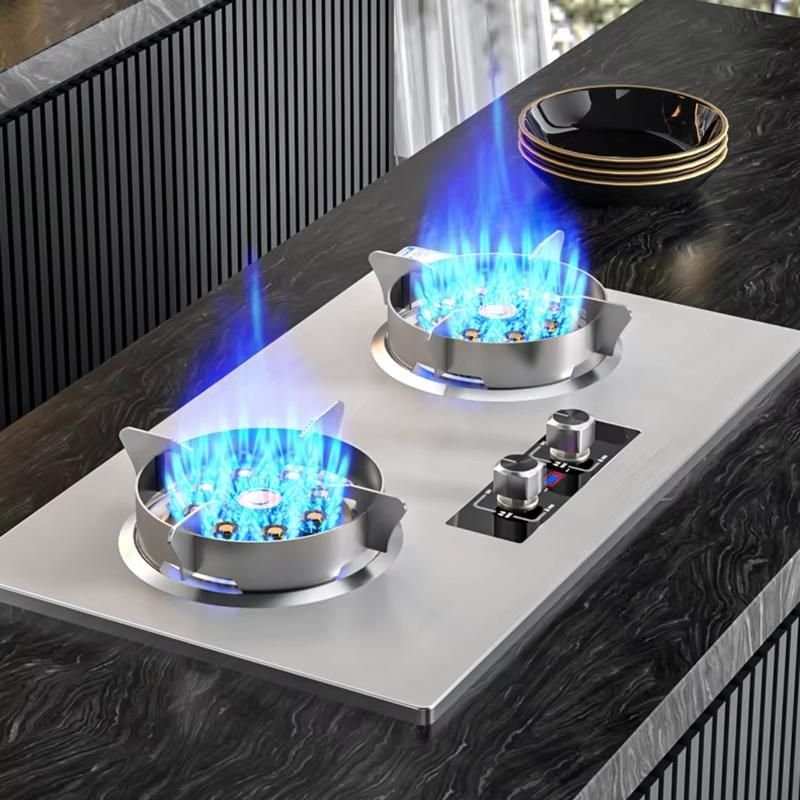
Then turn on each burner briefly to test. You should see a steady, even blue flame within a few seconds. If something doesn’t look right, check that all parts are properly seated before investigating further.

When to Call a Professional
Most burner issues are fixable at home — but not all of them. Call a qualified gas technician if:
- You smell gas when the stove is off
- The flame stays yellow or orange even after a thorough cleaning
- The burner won’t light at all after cleaning and drying
- Your stove is 10–15 years old and performance continues to decline
A gas technician can check the gas pressure regulator, valve seals, and internal connections — things that are not safe to handle without proper training and tools.
Frequently Asked Questions
Q: How can I tell if my burner cap is on properly? Push it down and ensure that it’s level without wobbling. If it wobbles or tilts at all, make adjustments until it’s level. A misaligned cap is one of the most common causes of bad ignition.
Q: Are burner grates dishwasher-safe? Yes, the majority of cast iron and stainless steel grates are dishwasher-safe. However, repeated dishwasher runs will dull the finish. Hand washing preserves them longer.
Q: Why is my burner clicking when it’s not on? That typically indicates the igniter is wet or dirty. Make sure the igniter tip is cleaned and dried completely. If the clicking does not stop after drying, the igniter module may need to be replaced.
Q: Can you use oven cleaner on the burner parts? Oven cleaner is powerful and can damage the coating on some burner caps and grates. Stick with dish soap, baking soda, and white vinegar for safer, equally effective cleaning.
Q: How long must I wait to use the stove after cleaning? Wait until all parts are fully dry — typically 1–2 hours after air drying. Using the stove too early can cause ignition problems and moisture damage to the igniter.
Q: It used to burn blue, and now it burns yellow. What changed? A yellow flame usually indicates incomplete combustion. This occurs when gas ports are restricted or the air-to-gas ratio is incorrect. Clean the ports first. If the flame stays yellow, the air shutter on the burner likely needs to be adjusted — a task best left to a technician.
Q: Can a clogged burner lead to a gas leak? A clog itself will not create a gas leak, but it can lead to a brief buildup of gas before ignition that causes a small pop or delay. If you smell gas frequently or hear hissing, stop using the stove immediately and call your gas provider.
Wrapping It All Up
Most gas stove problems can be fixed without spending much, or ever calling in a professional. The six gas stove repair basics cleaning steps in this guide — disassembling components, soaking and scrubbing, clearing clogged ports, cleaning the stovetop, drying everything completely, and reassembling carefully — will address most common burner problems.
A clean stove burns more efficiently, heats more evenly, and will last much longer. Just 10 minutes of maintenance after each use and a deep clean every one to three months makes a real difference.
Your burners are designed for optimal performance. Treat them right, and they’ll deliver steady, reliable heat every time you cook.

