
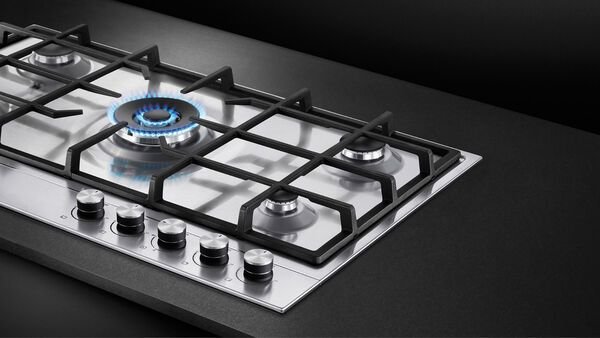
I still remember the morning my gas stove decided to give up — right in the middle of making breakfast for a house full of guests. The burner kept clicking but wouldn’t light. I’m standing there in my kitchen, half-asleep, and the stove is just click click click clicking away like it’s mocking me. No flame. Just chaos.
That was the day I rolled up my sleeves and started actually learning how my stove works — not from a manual, but from trial, error, and a few moments of pure panic. Over the years, I’ve picked up tricks that actually work, and I want to share them before you end up in the same mess I did.
These aren’t complicated. No professional tools needed. Just practical stuff that saved me time, money, and a few almost-ruined dinners.
1. The Clicking Igniter That Won’t Stop — It’s Almost Always Moisture
This one got me the first time. After washing the stovetop, the igniter kept clicking nonstop even with the burner knob turned off. I thought something had shorted out.
Turns out, moisture is the most common reason for a continuously clicking igniter. Water gets into the igniter cap and it just keeps sparking.
What I do now:
- After cleaning, I use a dry cloth to wipe around the burner caps and igniter tips
- If it’s still clicking, I use a hairdryer on low heat for about 30 seconds around the igniter area
- Let the stove sit open for 10–15 minutes before using it again
Simple fix. Once I understood this, it never stressed me out again.
2. Weak Flame? Check the Burner Ports First
A weak, uneven flame is almost always clogged burner ports — those tiny holes around the burner head where gas comes out. Food debris, grease, and boiled-over liquids clog them up over time.
I once spent two weeks thinking my gas supply was weak. Nope. Just a dirty burner.
Quick fix:
- Remove the burner cap and head
- Use a toothpick or a thin needle to clear out each port hole
- Don’t use toothbrushes — the bristles can break inside
- Rinse with warm water, dry completely, and put it back
| Problem | Likely Cause | Quick Fix |
|---|---|---|
| Weak flame | Clogged burner ports | Clear with a toothpick |
| Uneven flame | Partially blocked ports | Clean burner head |
| Yellow/orange flame | Incomplete combustion | Check air-to-gas ratio |
| No flame at all | Clogged + igniter issue | Clean + dry igniter |
Keeping that table somewhere visible in my kitchen actually helped me stop guessing and start diagnosing.
3. Burner Not Lighting? The Cap Might Be Misaligned
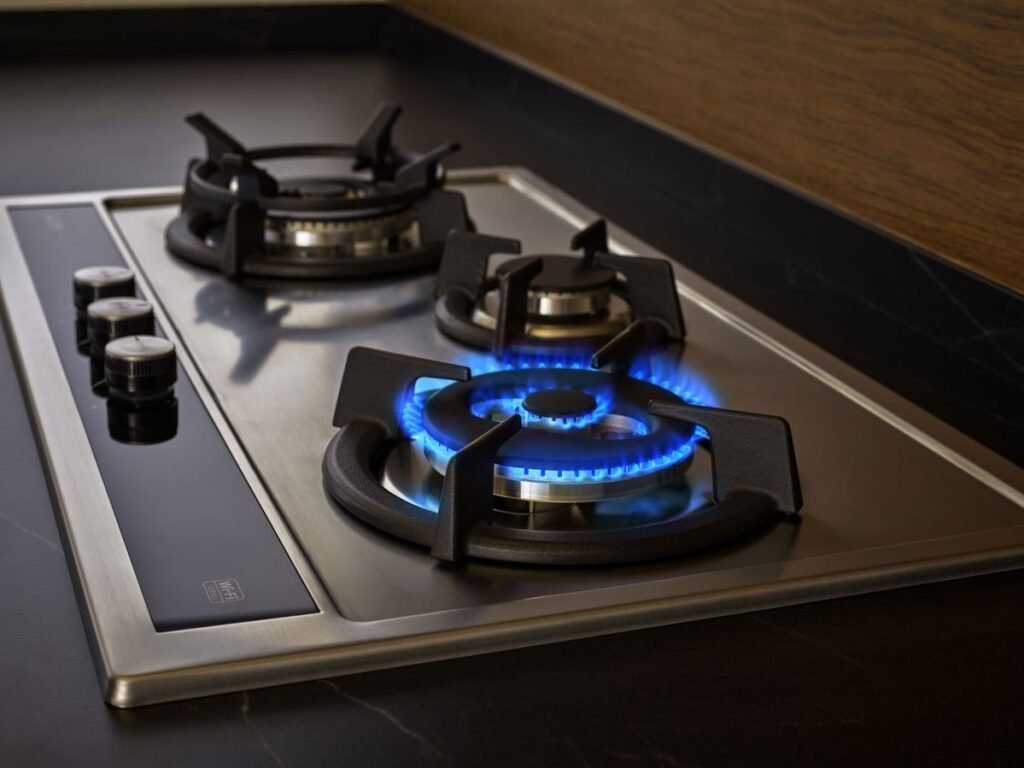
This one is embarrassingly simple, but I didn’t figure it out for a whole week. My front-left burner would click but never catch a flame. I checked everything. Then one day I noticed the burner cap was slightly tilted — maybe 2 millimeters off center.
Put it back properly. Lit on the first try.
The burner cap needs to sit flat and centered on the burner base. If it’s even slightly off, the spark can’t reach the gas properly.
Always press down gently on the burner cap after placing it back. That little click or settle means it’s seated right.
4. Gas Smell Without a Flame — Don’t Ignore This
I want to be very direct here: if you smell gas and no burner is on, that’s not a troubleshooting situation — that’s a safety situation.
What I do immediately:
- Turn off all knobs
- Don’t turn any switches on or off (even lights can spark)
- Open windows and doors
- Leave the house
- Call the gas company from outside
That said, a faint gas smell when you first turn a burner on, before it lights, is normal. The issue is a persistent smell with no burner running. For more on staying safe while doing basic checks, I found this guide on 6 Essential Gas Stove Repair Basics Safety Ideas That Prevent Accidents genuinely helpful for understanding where the real risks are.
5. The Flame Keeps Going Out — It’s Probably the Thermocouple
This one took me a while to figure out. I’d light the burner, it would catch, and then go out a few seconds later. I assumed it was a gas flow issue.
It’s usually the thermocouple — a small safety device that detects heat and tells the gas valve to stay open. If it’s dirty or slightly bent away from the flame, it doesn’t sense the heat properly and cuts off the gas.
What helped me:
- Lightly sand the thermocouple tip with fine sandpaper to remove oxidation
- Gently bend it slightly closer to where the flame sits
- If it’s really old and corroded, replacement parts are cheap (usually under $15)
This one’s worth knowing because most people assume it’s a major repair. It’s often not.
6. Yellow or Orange Flame — Your Burner Is Telling You Something
A healthy gas flame should be blue with maybe a small yellow tip. If you’re seeing a big orange or yellow flame, that means incomplete combustion — the gas isn’t burning efficiently.
Common causes:
- Clogged ports (again, always check these first)
- Food residue burning off (this is temporary and normal after a spill)
- Air-to-gas mixture is off
For the air mixture, there’s usually an air shutter near the burner valve under the stovetop. It’s a small sliding piece you can adjust to let more air in. I was shocked when I first found it — nobody tells you this exists.
Flame Color Guide:
| Flame Color | What It Means |
|---|---|
| Blue (mostly) | Normal, good combustion |
| Blue with small yellow tip | Acceptable |
| Large yellow/orange | Incomplete combustion |
| Red or flickering | Dirty burner or air issue |
| Low and unsteady | Low gas pressure or clog |
7. The Igniter Sparks but Gas Won’t Flow — Check the Safety Valve
Sometimes the igniter works perfectly — you can see the spark — but there’s just no gas. This confused me for a long time.
In many modern stoves, there’s a flame failure device (FFD) or safety valve that controls gas flow. It needs heat to open. If the thermocouple is cold or malfunctioning (see Trick 5), it tells the valve to stay closed.
Quick check:
- Try holding the knob down for 5–10 seconds after lighting to give the thermocouple time to heat up
- If the burner lights and stays on only while you hold the knob, the thermocouple needs replacing
This is one of those things where understanding the logic of how the stove works makes the fix obvious.
8. Stove Won’t Light After a Power Outage
Electric ignition stoves need power to spark. So after a power cut, people sometimes forget this and assume the stove is broken.
But here’s the thing — the gas still flows even without power. You can light it manually with a long lighter or match.
- Turn the burner knob to medium
- Hold your lighter or match near the burner
- It’ll light immediately
Once the power comes back, the electric ignition works again. I’ve seen people call technicians for this. No need.
For a quick reference, this article on 5 Quick Gas Stove Repair Basics Fixes That Saved Me a Technician Call is worth bookmarking — it covers exactly these kinds of “why did I not know this earlier” situations.
9. Burner Grates Are Wobbly — and It’s Affecting the Flame
This one sounds minor but it genuinely matters. If the grate is wobbly, your pan sits unevenly, which changes how heat distributes. More importantly, a wobbly grate can shift the burner cap slightly over time.
Check this:
- Make sure all four rubber feet on the grate are intact (they wear out)
- If a foot is missing, small rubber bumpers from a hardware store work fine
- Clean underneath the grates — buildup lifts them unevenly
I replaced two rubber grate feet for about 50 cents each and suddenly my pans sat flat again. Tiny fix, big difference.
10. Cleaning the Igniter — Without Breaking It
The igniter is that small white or cream ceramic tip next to each burner. It’s fragile. I cracked one by scrubbing too hard.
The right way to clean it:
- Use a dry toothbrush to gently brush away debris
- For stubborn gunk, a cotton swab dipped in rubbing alcohol works well
- Never use water directly on the igniter
- Never use metal tools near it
Also — don’t use oven cleaner spray near the igniters. The chemicals are too harsh and can leave a residue that causes constant sparking. I learned that one the hard way after a deep-clean session that turned into a two-day clicking nightmare.
For a deeper dive into cleaning habits that actually extend your stove’s life, 11 Easy Gas Stove Repair Basics Cleaning Habits That Saved My Stove covers a lot of ground in a very practical way.
11. When to Stop Troubleshooting and Call a Pro
I believe in DIY troubleshooting — clearly — but there are limits.
Call a technician if:
- You smell gas persistently and can’t find the source
- A burner knob is stuck or broken (internal valve issue)
- The oven isn’t heating properly despite clean burners
- There’s visible rust or damage on the gas line or connections
- Any repair requires disconnecting the gas line
Knowing when to stop is just as important as knowing how to fix things. Gas is safe when used correctly, but it demands respect.
Common Mistakes I Made (So You Don’t Have To)
Here’s a quick breakdown of the mistakes I see people make all the time — myself included:
| Mistake | What Happens | What to Do Instead |
|---|---|---|
| Cleaning with too much water | Igniter keeps clicking | Use damp cloth, dry immediately |
| Putting burner cap back wrong | Burner won’t light | Reseat it flat and centered |
| Ignoring weak flame for weeks | Builds up to bigger blockage | Clean burner ports monthly |
| Using oven cleaner near igniters | Residue causes constant sparking | Use mild soap or alcohol swabs |
| Calling a tech for power outage | Wasted service call | Light manually with a match |
| Forcing a stuck burner cap | Cracks the ceramic ring | Soak in warm water first |
Final Thoughts
The funny thing is, most of these tricks aren’t complicated. They’re just things nobody tells you until something breaks. I probably spent more time worrying about my stove over the years than actually fixing it — because once you understand the basics, most issues are very solvable.
Start with the simple stuff: is the burner cap seated right? Are the ports clean? Is there moisture near the igniter? You’ll solve about 80% of common problems just by answering those three questions.
And if you’re someone who wants to go deeper on keeping your stove running well for years, give this a read: 7 Smart Gas Stove Repair Basics Maintenance Habits That Extend Stove Life
Frequently Asked Questions
Q1: Why does my gas stove keep clicking even when it’s off? Most likely, moisture got into the igniter area — especially after cleaning. Use a dry cloth and a hairdryer on low heat around the igniter. Give it 15 minutes before turning the stove back on. If it continues, the igniter cap might be cracked and needs replacing.
Q2: Is it safe to use my gas stove if the flame is yellow or orange? A small yellow tip is fine, but a consistently orange or large yellow flame means incomplete combustion. This can produce more carbon monoxide than a clean blue flame. Clean the burner ports first and check the air shutter. If it persists, have a technician look at the gas pressure.
Q3: My burner lights but goes out immediately — what’s wrong? This is almost always the thermocouple. It’s a safety sensor that keeps the gas flowing once heat is detected. If it’s dirty or misaligned, it cuts off the gas. Try cleaning the tip lightly with fine sandpaper, or bend it slightly closer to the flame. If still happening, it likely needs replacement.
Q4: Can I clean my gas stove burners with dish soap? Yes, mild dish soap and warm water work great for burner caps and grates. The key is to dry everything completely before putting it back. Moisture in the wrong place causes igniter issues. Never soak the igniter tip itself — keep that area dry.
Q5: How often should I clean my gas stove burners? Ideally, do a light clean after any spillover happens, and a thorough clean — removing caps, soaking in soapy water, clearing the ports — once a month. If you cook daily, maybe every two to three weeks. Regular cleaning prevents 90% of the issues covered in this article.

