
1. My Stove Stopped Working Mid-Cooking — Here’s What I Did
It was a Friday evening, and I was halfway through making karahi for guests arriving in an hour. The burner just… stopped. No flame, no click, nothing. Panic mode activated.
I’d dealt with gas stove issues before — the annoying clicking that won’t stop, the weak flame that takes forever to boil water, the burner that just refuses to light. But this felt different. Worse timing, at least.
Here’s the thing though: most gas stove problems aren’t actually serious. After years of dealing with them myself, I’ve figured out that 80% of the issues you’ll face have simple, fast fixes. No technician needed, no expensive parts. Just a little patience and knowing where to look.
This guide covers 8 real troubleshooting fixes that have worked for me — and honestly, most of them take under 10 minutes.
2. Burner Won’t Light? Start With the Obvious Stuff First
I know it sounds almost too simple, but hear me out. The first time my burner wouldn’t light, I spent 20 minutes inspecting the igniter — only to realize the burner cap was slightly tilted from the last time I cleaned it.
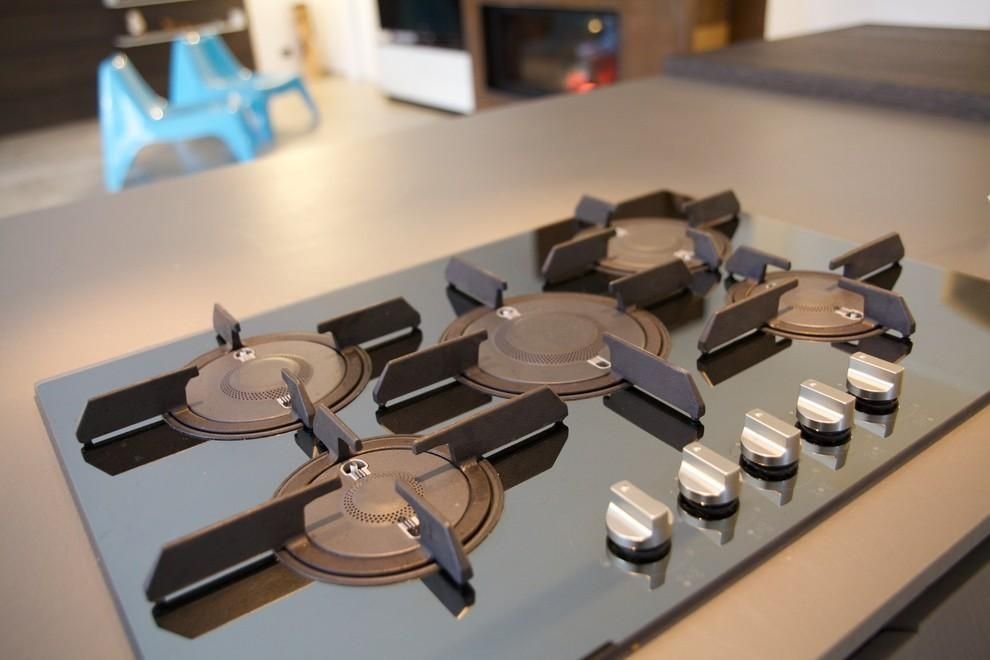
A misaligned burner cap blocks gas flow and makes ignition nearly impossible. Here’s a quick check:
- Remove the burner grate
- Lift the burner cap off
- Look at the burner base — is it sitting flat and centered?
- Put the cap back, making sure it’s perfectly level
Step-by-step:
- Turn off the gas completely
- Remove the grate and burner cap
- Wipe the burner head with a dry cloth
- Reseat the cap firmly and evenly
- Try igniting again
Nine times out of ten, this is the fix. It’s embarrassingly simple but often missed.
3. The Clicking Won’t Stop — Even After the Flame Is On
This one drove me absolutely crazy for two weeks. The igniter kept clicking non-stop even when the burner was lit. That rhythmic click-click-click sound in the background is genuinely maddening.
The culprit? Moisture.
If food boils over or you’ve recently cleaned the stovetop with a wet cloth, water gets into the igniter assembly. When it’s wet, it creates a continuous electrical loop — and that’s your endless clicking.
Fix:
- Remove the burner cap and grate
- Let everything air dry for at least 30–60 minutes
- Speed things up with a hair dryer on low heat — keep it about 6 inches away
- Alternatively, leave the burners uncovered overnight
I once made the mistake of using the stove immediately after mopping the surface. Clicking started within minutes. Lesson learned: let it dry fully before using.
Pro tip: After any spill or cleaning, leave the burner caps off for 30 minutes before cooking.
4. Weak or Uneven Flame? Clogged Ports Are Usually the Problem
If your flame looks more like a tiny campfire than a proper ring of blue fire — or if parts of the ring are missing — you’ve got clogged burner ports.
Food debris, grease, and mineral deposits from water slowly block the small holes around the burner. This restricts gas flow and gives you that uneven, sputtering flame.
How to clean burner ports:
| Tool Needed | What It Does |
|---|---|
| Toothpick or thin needle | Clears individual clogged ports |
| Old toothbrush | Scrubs away surface grease |
| Warm soapy water | Loosens stubborn residue |
| Paper clip (straightened) | Reaches deeper blockages |
Steps:
- Make sure gas is OFF and burners are cool
- Remove the burner cap and head
- Use a toothpick to gently poke through each port hole
- Soak the burner head in warm soapy water for 20 minutes
- Scrub with an old toothbrush
- Rinse, dry completely, and reassemble
Don’t use metal skewers or anything that could widen the ports — that can cause gas leaks down the line. I made that mistake once and the flame spread unevenly for weeks until I got the part replaced.
For more detailed cleaning routines that actually make a difference, this guide on 11 Easy Gas Stove Repair Basics Cleaning Habits That Saved My Stove is genuinely worth reading.
5. Igniter Sparks But No Flame — The Gas Supply Check
So the igniter is clicking, you can see the spark, but no flame appears. This one is a bit more nerve-wracking because your brain immediately goes to “is there a gas leak?”
Calm down first. Here’s what’s likely happening:
Check 1: Is the gas valve fully open? This sounds obvious, but after maintenance or shifting things around in the kitchen, the valve behind the stove sometimes gets partially closed. Make sure it’s fully turned to the open position (parallel to the pipe = open).
Check 2: Are other burners working? If yes, the issue is isolated to that burner. If no burners work, check the main gas supply.
Check 3: Air in the gas line? If the stove was off for a while or you just moved in, there might be air trapped in the line. Try holding the igniter button for 10–15 seconds continuously to push the air through and let gas flow.
Quick Diagnostic Table:
| Symptom | Likely Cause | Quick Fix |
|---|---|---|
| Spark but no flame (one burner) | Clogged ports or misaligned cap | Clean ports, reseat cap |
| Spark but no flame (all burners) | Gas supply issue | Check valve, call supplier |
| No spark at all | Faulty igniter or wet electrode | Dry out or replace igniter |
| Flame lights then dies | Thermocouple issue | Clean or replace thermocouple |
6. Flame Keeps Going Out — Thermocouple Might Be the Issue
This one took me the longest to figure out. The flame would light perfectly, burn for about 30 seconds, then just die. Over and over.
The thermocouple is a small safety device that senses whether a flame is present. If it doesn’t detect heat fast enough, it cuts the gas off — which is a safety feature, but when it malfunctions or gets dirty, it cuts off perfectly good flames.
Symptoms of a thermocouple problem:
- Flame lights but goes out within seconds
- You have to hold the knob down for a long time to keep it lit
- Happens on one specific burner consistently
DIY fix attempt:
- Locate the thermocouple — it’s a thin copper rod near the burner flame
- Turn off gas and let it cool completely
- Gently clean it with fine steel wool or an emery cloth
- Reassemble and test
If cleaning doesn’t help, the thermocouple needs replacing. They’re inexpensive (usually under PKR 500–800 locally) and most appliance shops carry them. It’s one of those parts that’s worth replacing yourself before calling a technician.
7. Burner Produces Yellow or Orange Flame Instead of Blue
A healthy gas flame is blue. If yours is yellow, orange, or has red tips, something is off — and this one you shouldn’t ignore too long.
Why it matters:
A yellow flame means incomplete combustion. This can release carbon monoxide, which is colorless, odorless, and dangerous. In an enclosed kitchen, this builds up fast.
Common causes:
- Clogged burner ports (most common)
- Too much air or not enough air mixing with gas
- Dirty burner head
- Very rarely, an issue with gas pressure
Flame Color Guide:
| Flame Color | What It Means | Action Needed |
|---|---|---|
| Blue with small inner cone | Perfect combustion | None — you’re good |
| Blue with yellow tips | Slightly dirty burner | Clean the burner |
| Yellow/orange flame | Incomplete combustion | Clean immediately, check ventilation |
| Red or very orange | Possible gas quality issue | Call gas supplier |
Fix the burner ports as described in section 4. If the flame is still yellow after thorough cleaning, check your kitchen ventilation — sometimes it’s just insufficient airflow causing the issue. Open a window and see if the flame improves.
For a full breakdown of safety checks you should be doing regularly, 6 Essential Gas Stove Repair Basics Safety Ideas That Prevent Accidents covers the important stuff without the fear-mongering.
8. Knob Is Hard to Turn or Feels Stuck
I had this problem last winter. The knob felt stiff, like turning it was going to break something. Turns out grease and food particles had built up around the knob shaft and basically cemented it in place.
Don’t force it — you can crack the knob or damage the valve beneath it.
Fix:
- Pull the knob straight off (most knobs pull off without tools)
- Soak it in warm soapy water for 15 minutes
- Clean the shaft underneath with a toothbrush
- Use a very small amount of food-grade silicone grease on the shaft before putting the knob back
- Turn it back and forth a few times to work the lubricant in
Avoid using WD-40 near the gas valve area — it’s flammable and can attract more debris over time. Silicone-based lubricant only.
Bonus: Common Mistakes People Make When Troubleshooting
I’ve made most of these myself, so no judgment:
Mistake 1: Using too much water when cleaning Soaking the entire stove or spraying water directly on igniters causes moisture issues that take hours to resolve. Use a damp cloth, not a dripping one.
Mistake 2: Reassembling before parts are dry Even one drop of water in the igniter area causes clicking problems. Always air dry completely.
Mistake 3: Ignoring a gas smell If you smell gas and troubleshooting doesn’t resolve it quickly — leave the area, don’t operate switches, and call your gas company. Don’t try to DIY a gas leak.
Mistake 4: Using the wrong cleaning tools Metal skewers, sharp knives near burner ports — these widen the holes and permanently affect flame quality. Use toothpicks or the proper jet cleaning tool.
Mistake 5: Skipping regular maintenance Most of the problems above don’t happen overnight. They build up over weeks and months of use. A quick 10-minute cleaning routine once a week prevents most of them.
A solid maintenance schedule makes a huge difference in how your stove performs. The tips in 9 Easy Gas Stove Repair Basics Maintenance Tips I Wish I Knew Earlier are practical and don’t require any special tools.
When to Stop DIYing and Call Someone
There are situations where you just need a professional. Here’s a quick guide:
| Situation | DIY? | Call a Tech? |
|---|---|---|
| Burner cap misaligned | Yes | No |
| Wet igniter clicking | Yes | No |
| Clogged burner ports | Yes | No |
| Flame lights but dies quickly | Try first | If persists |
| Persistent gas smell | No | Yes — immediately |
| Gas valve appears damaged | No | Yes |
| Regulator issues | No | Yes |
If you’ve gone through all the fixes above and something still isn’t working right, or if you smell gas at any point during troubleshooting — stop and call a certified technician. Some things genuinely need professional eyes.
FAQ
Q1: Why does my gas stove keep clicking even when it’s off?
This almost always means there’s moisture in the igniter. Food spills and cleaning with wet cloths are the usual culprits. Remove the burner cap, let it air dry completely (or use a hair dryer on low), and the clicking should stop. If it continues after full drying, the igniter switch itself may need replacing.
Q2: Is a yellow flame on a gas stove dangerous?
Yes, it can be. A yellow or orange flame indicates incomplete combustion, which produces carbon monoxide. Clean the burner ports thoroughly as a first step. Make sure your kitchen is well-ventilated. If the yellow flame persists after cleaning, have a technician check the gas pressure and burner assembly.
Q3: My burner lights but goes out immediately — what’s wrong?
This is typically the thermocouple. It’s a safety sensor that shuts off gas when it doesn’t detect heat fast enough. Try holding the knob down for 15–20 seconds after lighting to give it time to heat up. If that doesn’t help, clean the thermocouple with fine steel wool. If it still shuts off, the thermocouple needs replacement.
Q4: Can I use any lubricant on a stiff gas stove knob?
No — use only food-grade silicone grease or a silicone-based lubricant. Avoid WD-40, cooking oil, or petroleum-based products near the gas valve area. They can degrade the valve seals over time and attract more grime.
Q5: How often should I clean my gas stove burners to avoid these problems?
A light wipe-down after each use (once the burners cool) plus a deep clean every 1–2 weeks keeps most issues away. At minimum, remove and clean the burner caps and heads once a month. Regular maintenance genuinely prevents 90% of the common problems covered in this article.
For a complete set of quick fixes that have saved people time and money before calling a technician, check out 5 Quick Gas Stove Repair Basics Fixes That Saved Me a Technician Call.

