
Last Ramadan, right in the middle of making sehri for the whole family, my gas stove just… stopped working. One burner clicked endlessly without lighting, another one had this sad, uneven flame that looked like it was about to give up on life, and the whole kitchen smelled faintly of gas. Panic mode? Absolutely.
But here’s the thing — after some frantic Googling, a few burnt fingers (not literally), and a lot of trial and error, I managed to fix most of it myself without calling a technician. And since then, I’ve become the unofficial “gas stove guy” in my family. Cousins call me before calling the repairman. My neighbor knocked on my door last month with the exact same ignition problem I’d faced.
So I’m putting everything I’ve learned right here. These aren’t theoretical tips — these are things that actually worked in real kitchens, including mine.
1. Your Igniter Is Clicking But Not Lighting? Start With Moisture 🔥
This is probably the most common problem, and it almost always has the simplest fix. After washing the stovetop (or even after boiling over a pot of pasta), water gets into the igniter area. The spark is there, but it can’t do its job properly.
What to do:
- Remove the burner grate and the burner cap
- Use a dry cloth or paper towel to soak up any visible moisture
- Take a hairdryer on low heat and run it over the igniter area for about 60–90 seconds
- Let it air out for 10–15 minutes before trying again
This fix works probably 70% of the time when clicking-but-not-lighting happens right after cleaning or a boil-over.
If it still doesn’t light, move to the next step — check the igniter tip for carbon buildup. A soft toothbrush dipped in a tiny bit of rubbing alcohol works great to clean it gently. Don’t use anything metal — I made that mistake once and scratched the ceramic, which made things worse.
2. Weak or Uneven Flame? Dirty Burner Ports Are Usually the Culprit
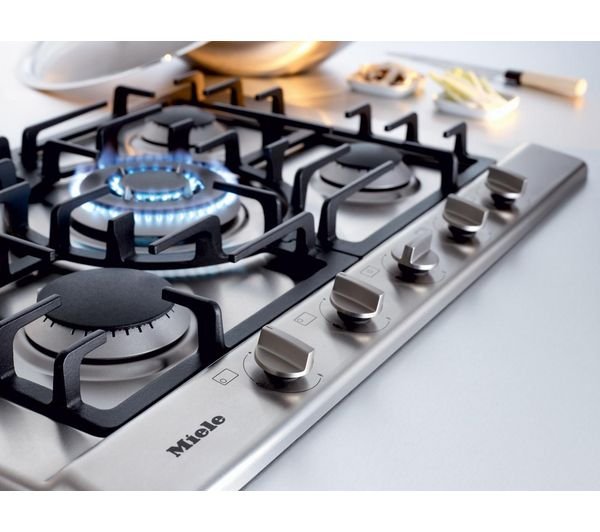
You ever notice your flame looks like a broken crown — some parts shooting up high, others barely there? That’s a clogged burner port issue, and it’s surprisingly easy to fix.
Food debris, grease, and even water deposits block those tiny holes around the burner head. The gas can’t flow evenly, so you get an uneven flame.
Quick fix:
- Turn off the stove and let it cool completely
- Remove the burner cap and wash it with warm soapy water
- Use a toothpick or a thin sewing needle to gently unclog each port
- Rinse, dry thoroughly, and reassemble
Here’s a table that shows common flame problems and their likely causes — I made this based on what I’ve seen:
Flame Problem Diagnosis Table
| Flame Appearance | Likely Cause | DIY Fix? |
|---|---|---|
| Uneven / patchy flame | Clogged burner ports | Yes |
| Yellow/orange flame | Wrong air-to-gas ratio | Partially |
| Very weak flame | Low gas pressure or blockage | Check with technician |
| No flame, keeps clicking | Moisture or dirty igniter | Yes |
| Flame goes out randomly | Thermocouple issue | Sometimes |
I’ve shared a detailed guide on 9 Fast Gas Stove Repair Basics Solutions for Common Burner Problems if you want to go deeper on this specific issue.
3. Yellow or Orange Flame? That’s a Warning Sign, Not Just an Aesthetic Issue
A healthy gas flame should be blue — a strong, steady blue with maybe a tiny yellow tip at the very top. If your flame is mostly yellow or orange, something’s off.
This usually means either incomplete combustion (not enough air mixing with the gas) or the presence of dust, grease, or even salt particles in the burner area.
What I do:
- Clean the burner thoroughly (as mentioned above)
- Check that nothing is blocking the air intake slots at the base of the burner
- Make sure the burner cap is sitting flat and properly aligned — this matters more than people think
If cleaning doesn’t fix it, there’s a small air shutter on most burners that can be adjusted. It’s usually near the gas valve. Opening it slightly increases airflow. This is a bit more technical, so I’d recommend looking up your specific stove model before touching it.
4. Gas Smell Without a Leak? Check These Three Things First
Before you panic and call the gas company (which you absolutely should do if the smell is strong or persistent), run through these basic checks.
A faint gas smell after turning on a burner that takes a second to light? That’s normal — it’s just the brief moment of unburned gas before ignition. But if the smell lingers, here’s what to check:
Step-by-step:
- Check all burner knobs — make sure none are accidentally turned to the “pilot” position or slightly on
- Inspect burner caps — a misaligned cap can cause gas to escape before burning properly
- Soap test on connections — mix dish soap with water, apply it to the gas connection point behind or under the stove. If bubbles form, you have a slow leak. Call a technician immediately.
- Ventilate the kitchen — open windows, don’t use any electrical switches (including lights) until the smell clears
Safety here is non-negotiable. I’m a big believer in DIY fixes, but gas leaks aren’t the place to experiment. For a solid breakdown of what’s safe to DIY and what isn’t, I found the 6 Essential Gas Stove Repair Basics Safety Ideas That Prevent Accidents guide really helpful.
5. Burner Cap Alignment — The Most Overlooked Fix
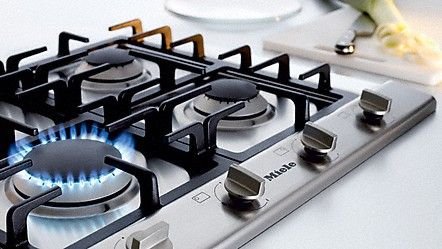
This one took me embarrassingly long to figure out. After cleaning my stove one day, I reassembled everything and my center burner just wouldn’t light properly. I checked the igniter, checked the ports, everything seemed fine.
Turns out? The burner cap was sitting slightly crooked. Like, maybe 2–3mm off-center. That’s it. That tiny misalignment was enough to disrupt the whole ignition process.
How to check alignment:
- Look at the burner cap from directly above — it should sit perfectly flat and centered
- There’s usually a small notch or groove that locks it into place
- Press down gently and rotate slightly until you feel it “seat” properly
- If it wobbles, it’s not aligned
This is so simple it almost feels silly to mention, but I’ve spoken to at least five people who had the same issue and didn’t realize it. Sometimes the simplest thing is the actual problem.
6. Stove Knob Problems — When Turning Does Nothing (or Too Much)
A stove knob that spins freely without doing anything, or one that requires extreme force to turn, is usually either a worn-out knob or a build-up of grease inside the valve area.
For sticky knobs:
- Pull the knob straight off (most just pull out without any tools)
- Clean the stem and the area around it with a degreaser or warm soapy water
- Dry completely, then apply a tiny drop of food-grade lubricant (silicone-based) before reattaching
For loose/spinning knobs:
- Check if the plastic insert inside the knob is cracked or worn — this is what grips the valve stem
- Replacement knobs are usually available for around Rs. 200–500 depending on the brand
- Most hardware stores in Karachi carry universal fit options that work across brands
Don’t ignore a knob that’s hard to control — it creates a real safety risk because you might accidentally leave gas flowing.
7. When Nothing Works — How to Know It’s Actually Time to Call Someone
Look, I love fixing things myself. But there’s a version of DIY enthusiasm that becomes stubbornness, and that’s dangerous when gas is involved.
Here are the situations where I always recommend calling a certified technician:
DIY vs. Professional Repair Guide
| Problem | DIY Okay? | Call Technician? |
|---|---|---|
| Clicking igniter, moisture | ✅ Yes | ❌ No |
| Clogged burner ports | ✅ Yes | ❌ No |
| Misaligned burner cap | ✅ Yes | ❌ No |
| Sticky or loose knob | ✅ Usually | Only if valve damaged |
| Yellow flame after cleaning | ✅ Try first | If persists |
| Confirmed gas leak | ❌ No | ✅ Immediately |
| Thermocouple failure | ⚠️ Advanced | ✅ Recommended |
| Gas pressure issues | ❌ No | ✅ Yes |
| Burner won’t light after all checks | ⚠️ Maybe | ✅ Yes |
I’ve seen people try to fix gas pressure issues themselves with YouTube videos and a wrench. Please don’t. The risk isn’t worth whatever you’d save on a service call.
For general maintenance that helps you avoid these bigger issues in the first place, the 10 Smart Gas Stove Repair Basics Maintenance Hacks That Save Gas article covers some genuinely useful habits worth building into your routine.
Common Mistakes Homeowners Make (That Make Things Worse)
Since I’ve made most of these mistakes personally, I feel qualified to list them:
- Using water to clean the igniter area and not drying it — this directly causes the clicking problem
- Reassembling burners while still wet — always air dry or use a hairdryer
- Using metal tools to unclog ports — scratches the surface and creates new problems
- Overtightening gas connection fittings — can damage threads and actually create a leak
- Ignoring a weak flame for months — small blockages become bigger ones, and gas efficiency drops noticeably (your bill reflects it)
- Assuming the stove is broken when it’s just a dirty cap — I’ve seen people buy new stoves over a Rs. 50 cleaning job
A Note on Regular Maintenance
The best troubleshooting tip is actually preventing the problem. I now do a quick 10-minute cleaning routine every two weeks — wipe down grates, remove and rinse burner caps, and check that everything is seated properly. Since I started doing this consistently, I haven’t had a single ignition issue.
It sounds boring, but it’s genuinely the most effective thing you can do. Stoves that get cleaned regularly just work better — the flame is stronger, the ignition is faster, and you avoid those stressful mid-cooking failures.
Final Thoughts
Gas stove problems are stressful, especially when they happen at the worst possible moment. But most of them are actually pretty fixable once you know what to look for. Moisture, clogged ports, misaligned caps, dirty igniters — these account for probably 80% of the common issues homeowners deal with.
The key is staying calm, working through the basics methodically, and knowing when to step back and call a professional. Your stove isn’t always broken — it usually just needs some attention.
And honestly? There’s a real satisfaction in fixing something yourself. The first time I got that clicking burner to light after figuring it out on my own, I felt like I’d just solved a puzzle. That feeling doesn’t get old.
Frequently Asked Questions (FAQs)
Q1: Why does my gas stove keep clicking even after lighting?
This usually happens when moisture is trapped near the igniter. After a boil-over or cleaning, water gets into the switch mechanism. Dry the area thoroughly with a cloth and a hairdryer on low heat. If it continues even when completely dry, the igniter switch itself may be faulty and need replacing.
Q2: Is a yellow flame on a gas stove dangerous?
A persistently yellow or orange flame isn’t immediately dangerous, but it does indicate incomplete combustion — meaning the gas isn’t burning as efficiently as it should. It can produce small amounts of carbon monoxide over time. Clean the burner first. If the yellow flame continues after cleaning, have a technician check the air-to-gas ratio adjustment.
Q3: How often should I clean my gas stove burners?
Ideally, do a light cleaning (wiping down grates and caps) once a week, and a deeper clean — removing and washing the caps and checking the ports — every 2 to 4 weeks depending on how frequently you cook. If you cook daily with a lot of curries or oily foods, lean toward more frequent cleaning.
Q4: Can I use WD-40 on sticky stove knobs?
Avoid WD-40 near stove parts — it’s flammable and can attract more grease over time. Use a food-grade silicone lubricant or simply clean the area with a degreaser and reassemble without any lubricant. In most cases, cleaning the stem and valve area is enough.
Q5: My burner lights but the flame goes out immediately — what’s happening?
This is almost always a thermocouple issue. The thermocouple is a safety device that detects whether a flame is present. If it’s dirty, misaligned, or worn out, it signals the gas to shut off even when the flame is lit. Cleaning it gently can sometimes help, but thermocouple replacement is usually the fix — and that’s something I’d recommend having a technician handle.
Also worth reading: If you’ve been dealing with ignition problems specifically, check out 7 Powerful Gas Stove Repair Basics Ideas to Fix Ignition Problems — it goes into more detail on the igniter side of things and has some tips I didn’t cover here.

